What To Expect During Your First Orthodontic Consultation
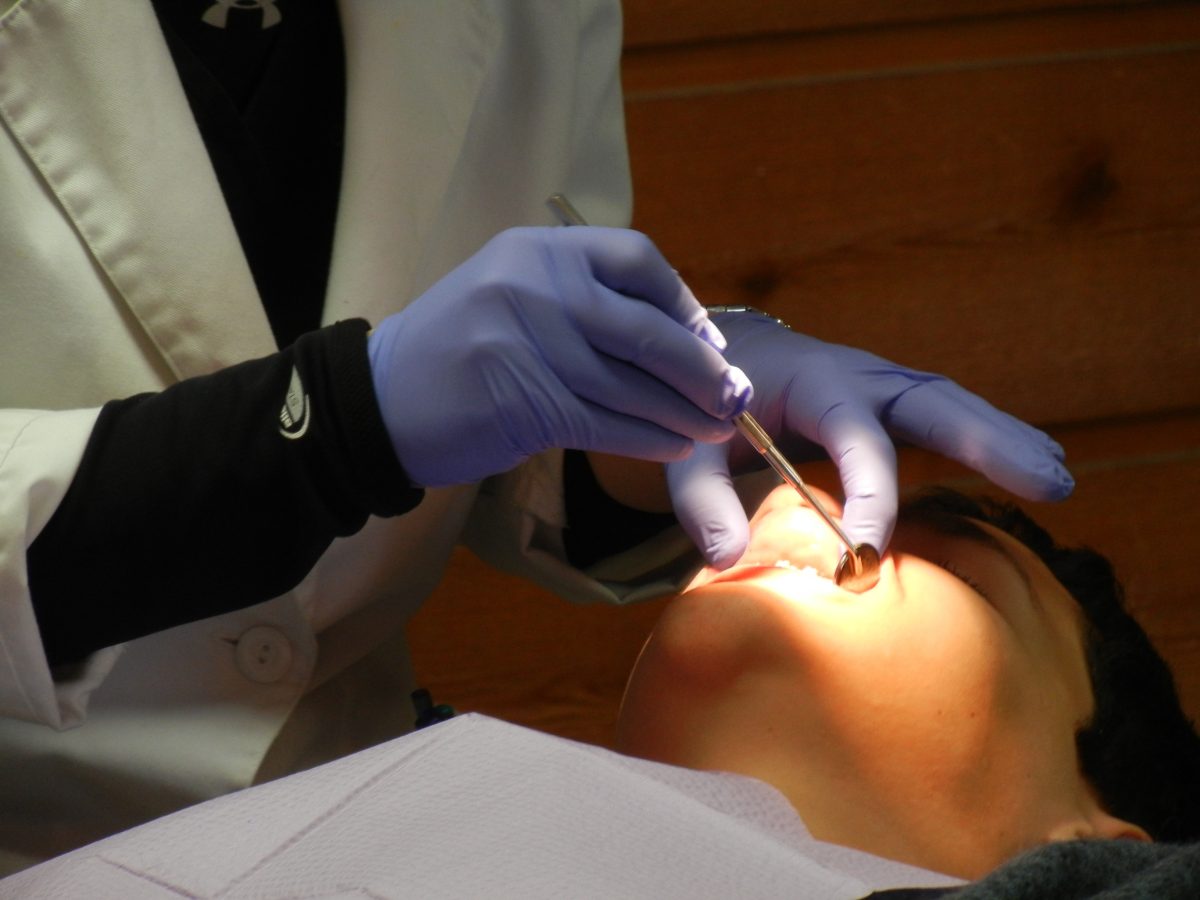
Image by Michael Larsson from Pixabay
According to the American Association of Orthodontists, approximately 4.5 million people in the United States are currently undergoing orthodontic treatment — yet many delay their initial consultation for months or years due to uncertainty about what the process involves. As digital imaging technology transforms how orthodontists evaluate patients and treatment planning becomes increasingly personalized, the consultation experience has evolved far beyond a simple visual examination. For families considering orthodontic care, understanding what actually happens during that first appointment can eliminate anxiety and ensure you’re prepared to make informed decisions about treatment options that could affect oral health for decades to come.
What Happens During an Orthodontic Consultation
The moment you walk into the orthodontic office, the evaluation process begins — though it might not feel like a formal examination at first. Most consultations start with a conversation about what brought you in, whether it’s crowded teeth, bite issues, or aesthetic concerns. This initial discussion helps the orthodontist understand your primary goals and any specific problems you’ve noticed.
The clinical examination forms the heart of the consultation. Your orthodontist will examine your teeth, bite alignment, and jaw relationship from multiple angles. They’ll assess how your upper and lower teeth come together when you bite down, check for crowding or spacing issues, and evaluate the position of your jaw joints. This hands-on assessment typically takes 10-15 minutes and involves having you open and close your mouth in different positions.
Digital imaging has revolutionized this process significantly. Most modern orthodontic practices use intraoral scanners to create 3D models of your teeth, eliminating the need for traditional putty impressions that many patients found uncomfortable. X-rays, including panoramic images that capture your entire mouth structure, provide crucial information about root positioning, impacted teeth, and bone structure that isn’t visible during the visual exam.
The consultation concludes with an initial discussion of findings and potential treatment approaches. Your orthodontist will explain what they observed, outline preliminary treatment options, and provide estimated timeframes. However, they’ll often schedule a separate treatment planning appointment to present detailed recommendations after thoroughly analyzing the imaging and examination results.
How Should You Prepare for an Orthodontic Consultation?
Preparation significantly impacts the quality and efficiency of your consultation. The more comprehensive information you provide upfront, the better your orthodontist can tailor their evaluation and recommendations to your specific situation.
Gathering Relevant Medical and Dental History
Start by compiling your dental records from the past two to three years, including any recent X-rays, cleaning reports, or notes about specific dental issues. If you’ve had previous orthodontic treatment, bring those records as well — they provide valuable insight into how your teeth responded to earlier interventions. Medical history matters more than many people realize, particularly conditions like diabetes, autoimmune disorders, or medications that affect bone density or healing.
Document any habits or symptoms you’ve noticed, such as jaw clicking, teeth grinding at night, difficulty chewing certain foods, or speech concerns. Many patients underestimate how much these functional issues inform treatment planning. If you’re seeking treatment for a child, note when baby teeth were lost and permanent teeth erupted, as timing patterns help predict future development.
Managing Anxiety and Setting Questions to Ask
Consultation anxiety often stems from fear of the unknown, so write down your questions beforehand. Focus on practical concerns: How long might treatment take? What are the differences between treatment options? Will there be dietary restrictions? Understanding the financial commitment upfront helps avoid surprises later.
Consider bringing a support person, especially for pediatric consultations or if you’re nervous about dental appointments. Many practices encourage parents to accompany children, and having someone to help remember details discussed during the appointment proves valuable. If you have specific aesthetic goals, consider bringing photos of smiles you admire — visual references help orthodontists understand your expectations and discuss realistic outcomes.
How Do Orthodontic Consultations Differ for Adults and Children?
Image by Tribute Family Dentistry from Pixabay
Age fundamentally changes both the evaluation process and treatment considerations. While the basic examination components remain similar, orthodontists adjust their approach, communication style, and clinical focus based on whether they’re treating a developing child or an adult with established dental patterns.
Special Considerations in Pediatric Consultations
Growth assessment dominates pediatric evaluations in ways that don’t apply to adult consultations. Orthodontists examine not just current tooth positions but predict how ongoing facial and jaw development will affect treatment outcomes. They look for signs of skeletal growth patterns that might require early intervention, such as crossbites or severe crowding that could worsen as permanent teeth continue erupting.
The timing conversation differs significantly for children. Rather than focusing solely on current problems, pediatric consultations often address interceptive treatment — interventions that guide proper development rather than correcting established issues. This might involve space maintainers if baby teeth are lost prematurely, or appliances that guide jaw growth during crucial developmental windows.
Communication during pediatric consultations involves both parent and child, with orthodontists explaining concepts in age-appropriate terms while ensuring parents understand the technical aspects of recommended treatments. The emphasis often falls on preventing future problems rather than just addressing current concerns.
Adult Consultation Nuances and Priorities
Adult consultations typically focus on established problems rather than developmental guidance. By adulthood, jaw growth is complete, which both simplifies certain treatment decisions and eliminates some options that rely on directing growth patterns. Adults often present with more complex dental histories, including previous dental work, missing teeth, or gum issues that affect treatment planning.
Aesthetic priorities frequently drive adult orthodontic consultations, with many patients specifically requesting discrete treatment options like clear aligners or lingual braces. When working with an experienced orthodontist in Jeffersonville, adults often discuss how treatment will impact their professional life, social situations, and daily routines in ways that don’t factor into pediatric treatment planning.
Adult consultations also address functional concerns more frequently, such as TMJ disorders, uneven wear patterns from misaligned bites, or speech impediments that developed over time. These issues require different diagnostic approaches and often involve coordinating with other dental specialists for comprehensive treatment.
Common Orthodontic Issues Evaluated During Consultation
The consultation process systematically evaluates several categories of orthodontic problems, each requiring different diagnostic approaches and treatment considerations. Understanding these evaluation areas helps patients recognize why certain tests or examinations are necessary during their appointment.
Malocclusion assessment forms the foundation of orthodontic evaluation. This includes examining overbites (upper teeth protruding too far forward), underbites (lower jaw positioned ahead of upper jaw), crossbites (upper teeth fitting inside lower teeth), and open bites (gap between upper and lower teeth when mouth is closed). Each type of bite irregularity affects both function and aesthetics differently.
Crowding and spacing issues receive detailed attention during consultations. Orthodontists measure available space versus the space required for proper tooth alignment, often revealing whether extractions might be necessary or if expansion appliances could create adequate room. Spacing problems, including gaps between teeth or impacted teeth that haven’t properly erupted, require different treatment approaches.
Jaw alignment and TMJ function evaluation has become increasingly sophisticated. Orthodontists assess how jaw joints move, listen for clicking or popping sounds, and examine how upper and lower jaws coordinate during chewing and speaking. These functional assessments often reveal problems that purely cosmetic treatments might not address adequately.
Beyond structural issues, consultations evaluate oral habits that might be contributing to orthodontic problems or could interfere with treatment success. Thumb sucking, tongue thrusting, mouth breathing, and teeth grinding all affect how teeth position themselves and how successfully orthodontic treatment will maintain long-term results.
Why the Consultation Is Crucial for Treatment Planning and Prevention
The consultation serves as far more than an initial assessment — it establishes the foundation for personalized treatment that addresses both immediate concerns and long-term oral health outcomes. This comprehensive evaluation process directly influences treatment success and helps prevent future dental complications that might otherwise go unaddressed.
Individualized treatment planning emerges from the consultation’s detailed findings. Rather than applying standard approaches, orthodontists use consultation data to customize treatment timing, appliance selection, and intervention strategies. For growing children, this might mean staging treatment to work with natural development patterns. For adults, it could involve coordinating orthodontic movement with restorative dental work or addressing underlying gum issues before beginning alignment treatment.
The consultation’s preventive value extends beyond orthodontic concerns. During examination, orthodontists often identify early signs of tooth decay in hard-to-reach areas, gum recession patterns, or excessive wear that could lead to more serious problems without intervention. This comprehensive oral health assessment helps patients address multiple issues systematically rather than dealing with them piecemeal over time.
Perhaps most importantly, consultations establish realistic expectations and help patients understand the commitment required for successful treatment. By thoroughly explaining findings and treatment options, orthodontists enable informed decision-making that considers lifestyle factors, financial implications, and long-term maintenance requirements.
The insights gained during your first orthodontic consultation will shape every aspect of your treatment journey, from appliance selection to follow-up scheduling. Rather than viewing it as merely a preliminary step, consider it your opportunity to establish a partnership with your orthodontist that prioritizes both immediate aesthetic goals and lifelong oral health stability.