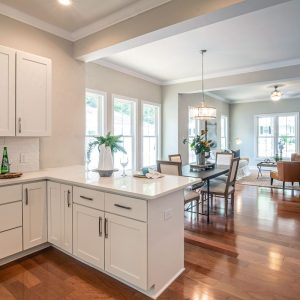
A House Has to Win Twice: Once in the Showing and Again in Real Life
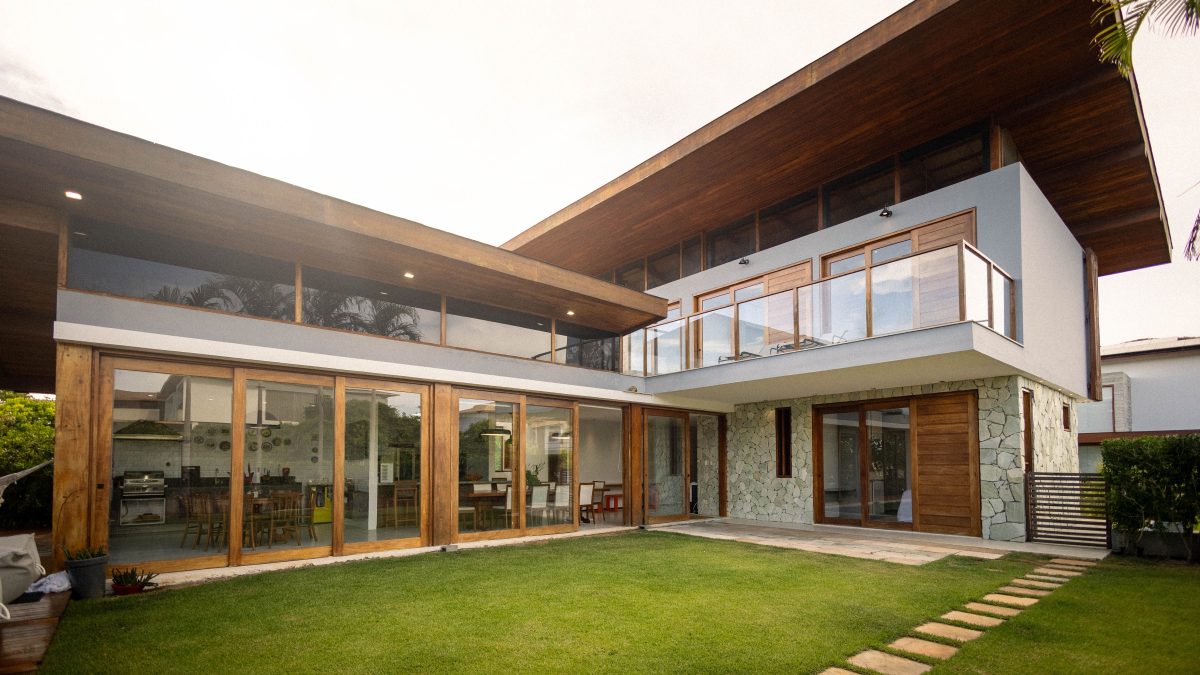
A house can win the first round easily. It can look bright during the showing, feel spacious with the right staging, and create the kind of instant excitement that makes buyers start picturing furniture before they have studied the details. That first reaction matters, but it is not enough. A house also has to win the second round, which begins when real life enters the picture through workdays, groceries, laundry, traffic, guests, repairs, storage needs, and the ordinary routines that make or break long-term satisfaction.
A showing is a controlled moment, not a full preview of ownership. Buyers comparing Southern California communities often look at places such as Long Beach, Anaheim, and Fullerton because each offers a different mix of commute access, schools, shopping, dining, and neighborhood character. Those comparisons matter because the home is only one part of the decision, while the surrounding area often determines how easy or difficult daily life will feel.
For someone who wants a residential setting with strong regional access, a home for sale in Cerritos, CA, can stand out when the goal is not just to find an attractive property, but to choose a location that supports travel across Los Angeles and Orange Counties without sacrificing a practical suburban feel. That kind of context helps buyers judge whether the house can keep winning after the showing ends.
The Showing Should Impress, but Not Distract
A strong showing is designed to create emotion. Clean surfaces, open blinds, fresh scents, polished floors, and quiet rooms can make a home feel easier to love than it may be once life gets busy. Buyers should appreciate the presentation, but they should also look past it and ask whether the house still works when the staging disappears.
- Notice whether the rooms feel functional without relying on perfect furniture placement.
- Look for missing details, such as limited storage, awkward corners, poor natural light, or rooms that were not shown clearly online.
- Ask whether the home feels impressive because it is genuinely well-designed or because it has been carefully prepared for a single short visit.
The Layout Has to Handle Ordinary Days
A house wins in real life when the layout supports movement without creating daily frustration. The kitchen should connect naturally to the spaces where people gather; bedrooms should offer enough privacy; bathrooms should be placed conveniently; and the entry should have room for shoes, bags, coats, and the small items that appear the moment people actually move in.
- Walk through the home as if it were a weekday morning, not a quiet showing.
- Think about where groceries, laundry, school bags, work equipment, and guests would go.
- Avoid dismissing small layout problems too quickly, because repeated inconvenience becomes more noticeable after closing.
The Neighborhood Has to Work After the Tour
A house cannot fully win if the surrounding area does not support the buyer’s lifestyle. The street, traffic, parking, nearby services, school routes, commute patterns, parks, noise levels, and weekend atmosphere all shape the experience of living there. A beautiful interior may not compensate for a location that makes everyday life harder than expected.
- Visit the neighborhood at different times of day before making a decision.
- Check the drive to work, school, grocery stores, healthcare, and major roads.
- Pay attention to how the area feels outside the property line, because that feeling becomes part of the home.
The Price Has to Match the Full Reality
A listing price can look reasonable until the full cost of ownership is calculated. Buyers should consider property taxes, insurance, maintenance, utilities, HOA fees, future repairs, commuting costs, and any updates they will want to make after moving in. A home that wins emotionally can still lose financially if the numbers create stress.
- Compare the home to similar properties in the area, not just to homes that look similar in photos.
- Estimate realistic monthly and yearly costs before making an offer.
- Leave room in the budget for repairs, furnishings, and normal life outside the mortgage.
The Condition Has to Support the Confidence
Fresh paint and updated finishes can help a house feel move-in ready, but condition goes much deeper than appearance. Buyers should pay attention to the roof, HVAC system, plumbing, electrical panel, windows, insulation, drainage, foundation, appliances, and the home’s maintenance history before deciding whether to make an offer.
- Ask about the age and condition of major systems.
- Review disclosures, inspection findings, and repair records carefully.
- Separate cosmetic appeal from structural and mechanical reliability.
The Storage Has to Survive Move-In Day
A staged home often looks clean because it contains only what helps the room photograph well. Real life brings pantry items, cleaning supplies, holiday decor, luggage, sports equipment, work materials, tools, documents, and everyday clutter. A house that wins in real life needs storage in the places where belongings naturally collect.
- Check pantry space, closets, garage storage, laundry storage, and entry areas.
- Think about where daily items will go before assuming the house is spacious enough.
- Remember that poor storage can make even a large home feel crowded.
The Second Visit Has to Confirm the First Feeling
The first showing is often emotional, while the second visit is usually more honest. Buyers notice different things once the initial excitement settles, including noise, lighting, parking, room sizes, furniture placement, traffic patterns, and small maintenance concerns. If the home still feels strong during a second look, that confidence carries more weight.
- Revisit the home if possible before making a final decision.
- Walk through without rushing or relying on the listing photos.
- Use the second visit to test whether the home feels practical, not just appealing.
Quick Questions About Houses That Win Twice
- What does it mean for a house to win twice? It means the house should feel appealing during the showing and still make sense in real daily life.
- What should buyers check after the first impression? Buyers should check layout, storage, condition, neighborhood fit, full ownership costs, and commute practicality.
- Why is the neighborhood so important? The neighborhood affects daily convenience, noise, travel time, lifestyle, and long-term satisfaction.
- Can a beautiful house still be the wrong choice? Yes, because appearance does not guarantee functional layout, manageable costs, reliable condition, or the right location.
- When should buyers feel confident making an offer? Buyers should feel confident when the home works emotionally, practically, financially, and geographically.