International Freight Forwarding: A Beginner’s Guide for Shippers
If you run a small business in the Clinton or Jackson area and have landed your first international order, congratulations. That is a real milestone. What comes next, moving your product from a Mississippi loading dock to a buyer overseas, can feel like a different language.
Freight forwarding, Incoterms, customs filings, and commodity codes all matter. Some parts are technical, but the process follows a clear sequence. Once you see the full picture, each step becomes easier to manage.
This guide explains how international freight forwarding works, what decisions you need to make, which documents to prepare, how quotes and costs break down, and how to choose a forwarding partner. The goal is to help you ask better questions and avoid common first-shipment surprises.
Key Takeaways
- A freight forwarder coordinates logistics you may not be able to handle alone. Forwarders plan routes, book cargo space, coordinate documents, and arrange customs support.
- Three decisions shape cost and timing: transport mode, the Incoterms rule you agree to with your buyer, and whether you buy cargo insurance.
- Total landed cost goes beyond the freight quote. Duties, taxes, surcharges, destination fees, and delivery charges can add up. Ask for an itemized quote and compare options on the same terms.
- Accurate documents prevent many delays. Commercial invoices, packing lists, commodity codes, and timely export filings help shipments move through customs.
- Get two or three comparable quotes before booking. Make sure each quote uses the same dimensions, weight, Incoterms rule, and service level.
What a Freight Forwarder Does (and When You Need One)
A freight forwarder is a logistics coordinator. Forwarders do not usually own ships or planes. Instead, they arrange transportation on your behalf by working with ocean carriers, airlines, trucking companies, warehouses, and customs brokers.
Think of it this way: a parcel courier such as UPS or FedEx handles individual boxes through its own network. A freight forwarder manages larger or more complex shipments that may move across several carriers and countries. A customs broker focuses on import and export paperwork and government filings. Some forwarders offer brokerage in-house, while others work with separate brokers.
Common forwarder tasks include route planning, carrier selection, cargo booking, export and import documentation, shipment tracking, exception alerts, warehousing, and consolidation when needed.
For a first export from the Clinton area, many small shippers work with an international freight forwarder to coordinate sea, air, or road transport, provide shipment visibility, and arrange customs brokerage or warehousing support when the shipment requires it.

When to Move Beyond Parcel Shipping
Parcel couriers work well for small, lightweight packages. Freight forwarding becomes a better option when the shipment is larger, more regulated, or harder to document.
- Your shipment fills a pallet or includes multiple cartons that exceed courier weight or size limits.
- You are shipping goods that require special handling, such as batteries, chemicals, certain cosmetics, or other regulated products.
- You need more control over delivery timing, routing, or documentation.
- You ship often enough that consolidated freight rates may reduce costs.
The exact breakpoints vary by carrier and commodity. If your shipment is near the boundary, request pricing from both a parcel courier and a forwarder before you decide.
How International Forwarding Works, Step by Step
Here is the general sequence for a typical export shipment. Not every step applies to every order, but this framework shows how the process usually moves.
- Pre-booking preparation. Identify your product’s commodity code. The U.S. uses Schedule B codes for exports and HTS codes for imports. Confirm dimensions and weight, agree on Incoterms with your buyer, and check whether export licenses or restricted-party screening apply.
- Quote and options. Request quotes from two or three forwarders. Each quote should list origin handling, main carriage, surcharges, and destination fees.
- Booking and pickup. After you accept a quote, the forwarder books cargo space and schedules pickup from your warehouse or facility.
- Export paperwork and filings. Prepare your commercial invoice, packing list, and any required certificates of origin. Many U.S. exports require Electronic Export Information (EEI) filing through the Automated Export System (AES). Confirm current value thresholds and exemptions with the U.S. Census Bureau or your forwarder before shipping.
- Consolidation or staging. If your shipment is less than a full container load (LCL), the forwarder may combine it with other cargo at a warehouse near a gateway port or airport.
- Main carriage. Your goods travel by ocean or air to the destination country.
- Destination handling and import clearance. At destination, a customs broker, often arranged by the forwarder, files import documents, and duties and taxes are assessed.
- Final delivery. The shipment is delivered to the buyer’s door or a designated warehouse, depending on the Incoterms rule.
Common delay points include documentation errors, customs questions about commodity classification, and capacity limits during peak seasons or holidays.
Choosing the Right Mode and Service Level
For most small-business shippers, the main choice is air freight or ocean freight.
Air freight is faster, often measured in days rather than weeks. It is useful for urgent product launches, high-value items, or smaller shipments. Air cargo charges are often based on “chargeable weight,” which may use dimensional weight instead of actual weight. Confirm the formula with your forwarder or carrier because standards can vary.
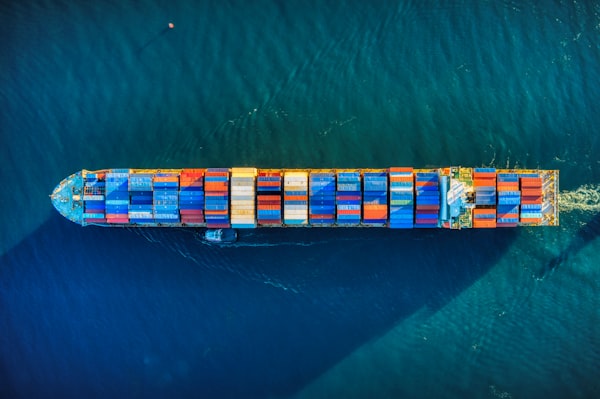
Ocean freight is slower but usually costs less per unit for larger volumes. You will see two common options: LCL, where your cargo shares container space with other shippers, and FCL, or full container load, where you book an entire container. LCL works for smaller volumes. FCL can make sense once you have enough goods to fill or nearly fill a container.
Transit times and prices change with the season, trade lane, and carrier capacity. Treat estimates as planning tools, not guarantees.
Documents You Will Prepare
Regardless of mode, expect to prepare these core documents:
- Commercial invoice. Lists the buyer, seller, product description, quantity, value, and terms of sale.
- Packing list. Itemizes carton counts, weights, and dimensions.
- Commodity codes. Schedule B applies to U.S. exports, while HTS applies to U.S. imports. Accurate classification matters because it affects duty rates and restrictions.
- Certificate of origin. Some destination countries require this document, especially when goods may qualify for preferential tariff treatment under a trade agreement.
- EEI/AES filing. Many U.S. exports above certain value thresholds require EEI filing. Verify current requirements, exemptions, and who will file before the shipment date.
Destination-specific forms may also apply. Your forwarder or customs broker can advise, but you should confirm requirements with official agencies when the shipment involves regulated goods or unusual destinations.
Customs and Compliance Basics
A few compliance areas deserve attention, even on a first shipment.
Importer of record. This is the entity legally responsible for ensuring goods clear customs at the destination. Depending on your Incoterms rule, this may be you or your buyer.
Duties and taxes. These vary by country and product classification. Ask your buyer to confirm rates with destination customs authorities before the shipment arrives. For broader context, sellers should also understand international sales taxes when quoting overseas orders.
Denied-party screening and export controls. U.S. exporters need to screen buyers and destinations against restricted-party lists maintained by agencies such as the Bureau of Industry and Security (BIS) and the Office of Foreign Assets Control (OFAC). Treat this as a required compliance step, not an optional check.
Special product rules. Goods such as batteries, cosmetics, food products, and hazardous materials may require specialized packaging, labels, documents, and handling. If your product falls into one of these categories, confirm requirements with your forwarder and the relevant regulatory agencies before booking.
Note: This guide provides general information only, not legal advice. Confirm compliance requirements with official agencies or licensed professionals.
Understanding Quotes and Total Landed Cost
A freight quote usually breaks costs into several line items:
- Origin charges: pickup, warehouse handling, and documentation fees.
- Main carriage: the cost of air or ocean transport.
- Surcharges: fuel, security, peak-season, or equipment fees.
- Destination and terminal fees: unloading, port handling, and delivery.
What is often not included: duties, taxes, and sometimes last-mile delivery, depending on the Incoterms rule. This is where “total landed cost” matters. It means the full cost of getting your product to its final destination, including freight, fees, duties, taxes, insurance, and delivery charges that apply.

When comparing quotes, make sure each one uses the same shipment specifications, Incoterms rule, and service level. Otherwise, you are not comparing the same service.
A Quick Word on Incoterms
Incoterms are standardized trade terms published by the International Chamber of Commerce (ICC). They define which party, seller or buyer, is responsible for costs, risk, and delivery at each stage of the shipment. They are not laws or transport contracts. They are part of your sales agreement with your buyer.
Common Incoterms include EXW (Ex Works), FOB (Free on Board), CIF (Cost, Insurance, and Freight), DAP (Delivered at Place), and DDP (Delivered Duty Paid). Each term shifts cost and risk differently. Under FOB, for example, the seller covers costs and risk until goods are loaded onto the vessel. Under DDP, the seller carries most costs and risk through delivery to the buyer’s location.
Incoterms do not set pricing, define payment terms, or replace cargo insurance decisions. Confirm your understanding against current ICC materials before finalizing a sales contract.
Packing, Palletizing, and Labeling
Proper export packing helps prevent damage and customs delays. A few practical steps can reduce risk:
- Use sturdy, export-grade cartons and secure items so they do not shift during transit.
- If you use wood pallets or crating, many countries require ISPM 15-compliant wood packaging that is heat-treated and marked. Non-compliant wood can lead to customs holds or rejection. Verify current marking and treatment requirements with USDA APHIS guidance.
- Label every carton clearly with piece count, gross weight, and any required marks, such as lot numbers, handling symbols, and destination details.
- If your goods are dangerous or hazardous, specialized packaging and documents are mandatory. Do not book the shipment until you have confirmed requirements with your forwarder and the appropriate regulatory body.
Tracking, Exceptions, and Insurance
Most forwarders provide shipment tracking, often through an online platform that shows status updates and flags exceptions such as delays, holds, or reroutes. This visibility helps you keep your buyer informed and respond faster when something changes.
Carrier liability for loss or damage in ocean freight is limited. Under U.S. law, including COGSA, the Carriage of Goods by Sea Act, carrier liability caps are set on a per-package basis and may not cover your goods’ full value. Confirm current limits with your carrier or forwarder. For many small shippers, separate cargo insurance is worth considering before booking.
How to Vet a Freight Forwarding Partner
Choosing the right forwarder matters, especially for a first shipment. Use this checklist during the quoting process:
- Licensing and credentials. Ocean freight forwarders and NVOCCs, or non-vessel operating common carriers, serving U.S. trades generally must be licensed or registered with the Federal Maritime Commission (FMC). You can look up credentials in the FMC’s public database. For air cargo, verify that the forwarder works within TSA requirements for air cargo screening and acceptance.
- Trade-lane experience. Ask whether the forwarder has handled shipments to your destination before.
- References. Request contacts from other small-business clients when possible.
- Digital tools. Ask about tracking platforms, exception alerts, and how communication will work during the shipment.
- Quote clarity. A reliable forwarder provides itemized quotes and explains what is and is not included.
- Responsiveness. Notice how quickly and clearly the forwarder answers your questions. That often reflects the service level you will receive later.
Get two or three comparable quotes before making a decision.
Local Planning Tips for Clinton and Jackson Shippers
Shipping from central Mississippi adds a few planning considerations:
- Build in extra lead time for pickup scheduling and trucking to major gateway ports or airports, such as the Gulf Coast, Atlanta, or Memphis.
- Check holiday calendars in both the United States and the destination country to avoid booking during peak congestion periods.
- Consider weather seasonality. Gulf Coast hurricane season can affect port operations and trucking routes.
- Coordinate with your warehouse or loading dock so goods are palletized, labeled, and ready before the carrier arrives.
- Your local Small Business Development Center (SBDC) and chamber of commerce can be helpful starting points for export counseling and local connections.
Getting Started with Confidence
International shipping has real complexity, but it follows a predictable sequence. A clear plan, accurate documents, and a reliable forwarding partner can reduce risk and help you avoid costly surprises.
Start with the checklist above, get questions answered before booking, and use each shipment to improve your process. The first shipment is usually the hardest. After that, the steps become more familiar.
FAQ
Do I need a freight forwarder for small shipments?
Not always. If your shipment fits within parcel courier limits and does not require special handling, a courier may be simpler. Once shipments are palletized, oversized, or require customs documentation beyond what a courier provides, a forwarder is usually the better choice.
What is the difference between a freight forwarder and a customs broker?
A freight forwarder coordinates transportation logistics, including routing, booking, and carrier management. A customs broker handles regulatory paperwork for clearing goods through customs. Some forwarders offer brokerage services in-house, while others work with separate brokers.
How do Incoterms affect my costs?
Incoterms determine which party pays for each segment of the shipment, including transport, insurance, duties, and delivery. Choosing DDP, for example, places more cost and responsibility on the seller. Choosing FOB shifts cost and risk to the buyer once the goods are loaded at the port of origin. The rule you select directly affects your quote and financial exposure.
How long does international shipping take?
It depends on the mode and destination. Air freight often takes days, while ocean freight can take weeks. Add time for documentation, customs clearance, and final delivery. Your forwarder can provide estimated transit times for your trade lane, but those estimates are not guarantees.
What documents are mandatory for exporting from the U.S.?
At minimum, you will usually need a commercial invoice and packing list. Many exports also require EEI/AES filing and correct Schedule B classification. Some destinations require certificates of origin or product-specific permits. Requirements vary by product and country, so confirm with your forwarder and official agencies.