What Makes New Orleans-Style Food Different from Regular Southern Cooking?
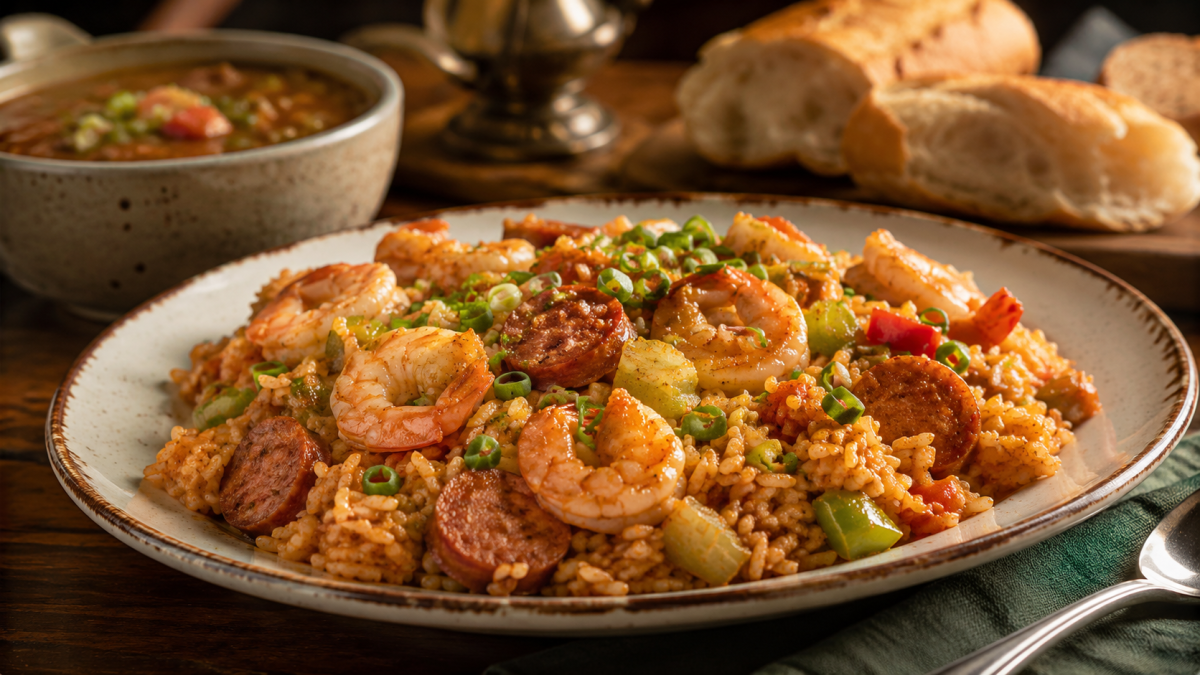
Southern food and New Orleans-style food are closely related, but they are not exactly the same thing. They share some ingredients, traditions, and comfort-food appeal, but New Orleans cooking has its own identity. It is shaped by Louisiana history, port-city culture, Creole and Cajun influences, Gulf seafood, French and Spanish roots, African traditions, and a long habit of turning simple ingredients into deeply flavored meals.
Regular Southern cooking is often associated with dishes such as fried chicken, greens, cornbread, biscuits, barbecue, field peas, casseroles, cobblers, and slow-cooked vegetables. These foods are tied to farming traditions, family kitchens, church meals, and regional comfort. New Orleans-style cooking overlaps with some of that, but it usually brings in more seafood, stronger seasoning, richer sauces, rice-based dishes, and layered flavor.
One of the biggest differences is the importance of the “holy trinity.” In Louisiana cooking, many dishes begin with onion, bell pepper, and celery. This mixture works like a flavor foundation. It is similar in purpose to mirepoix in French cooking, but with bell pepper replacing carrot. The vegetables are cooked down and used to build flavor in dishes such as gumbo, jambalaya, étouffée, red beans and rice, and many sauces.
Seafood also plays a larger role. New Orleans food is deeply connected to the Gulf, bayous, lakes, and waterways of Louisiana. Shrimp, oysters, crab, crawfish, catfish, and redfish are common ingredients. Southern cooking certainly includes seafood in many regions, especially along the coast, but New Orleans-style food places seafood closer to the center of the table.
Seasoning is another major distinction. New Orleans-style food is flavorful, but that does not always mean extremely hot. The seasoning often includes layers of garlic, paprika, cayenne, black pepper, thyme, bay leaves, parsley, and other spices. The goal is not simply to make food spicy. The goal is to build depth. A good dish may have heat, but it should also have richness, aroma, and balance.
Sauces and gravies are also important. New Orleans food often uses roux, stock, cream, butter, tomatoes, wine, or seafood juices to create body and flavor. Gumbo begins with roux, which can range from light to dark depending on the dish. Étouffée uses a thick, seasoned sauce that coats seafood or meat. Many dishes are not just cooked and served; they are simmered, built, and layered.
Rice is another staple. In many Southern meals, bread or potatoes may be the main starch. In New Orleans-style cooking, rice appears often. Red beans and rice, jambalaya, gumbo over rice, and smothered dishes served with rice are all examples. Rice helps carry the sauce and seasoning, making it more than a side dish.
New Orleans food also reflects a mix of Creole and Cajun traditions, though the two are not identical. Creole cooking is often associated with the city, tomatoes, European influence, and a more urban style of cooking. Cajun cooking is often tied to rural Louisiana, resourcefulness, smoked meats, rice, game, and one-pot meals. Modern restaurant menus often blend these influences, but understanding the difference helps explain why the food has so much variety.
Another thing that separates New Orleans-style food from general Southern cooking is the role of the city itself. New Orleans has always been a place where cultures met. As a port city, it absorbed ingredients, cooking methods, and traditions from many places. The food reflects that history. It can feel familiar and unusual at the same time.
This is why New Orleans-style restaurants often appeal to people who want comfort food with more complexity. A burger, steak, pasta, or seafood plate can still feel approachable, but the seasonings and sauces may give it a different character. Even familiar dishes can take on a Louisiana influence when prepared with the right spices, vegetables, seafood, or cooking methods.
Breakfast and brunch can also show the difference. Southern breakfasts may include biscuits, gravy, eggs, bacon, sausage, grits, and pancakes. A New Orleans-inspired breakfast or brunch may include similar items but add seafood, richer sauces, bolder seasoning, or dishes influenced by Creole cooking. Brunch in particular fits New Orleans culture because it allows food to be slower, more social, and more indulgent.
The dining experience matters too. New Orleans-style food is often associated with gathering. It is food for conversation, music, celebration, and lingering at the table. Even when the meal is casual, it should feel generous. Portions, aroma, sauce, seasoning, and hospitality all play a part.
For diners in Mississippi, this kind of food can feel both familiar and different. Mississippi and Louisiana share regional ties, but each has its own food identity. A Mississippi diner may recognize the seafood, rice, biscuits, catfish, or Southern hospitality while still noticing the Louisiana-style seasoning and preparation.
A good New Orleans-style restaurant does not have to copy every traditional dish exactly. What matters is whether the food carries the spirit of the style: layered flavor, seafood influence, careful seasoning, hearty portions, and a sense of warmth. That is what separates it from a basic Southern menu.
Southern cooking is broad. New Orleans-style cooking is more specific. It is Southern, but it is also French, Spanish, African, Caribbean, Gulf Coast, Cajun, Creole, and completely its own. That mix is what makes it memorable.