Keep Your Car Safe: Storm Protection Strategies That Work
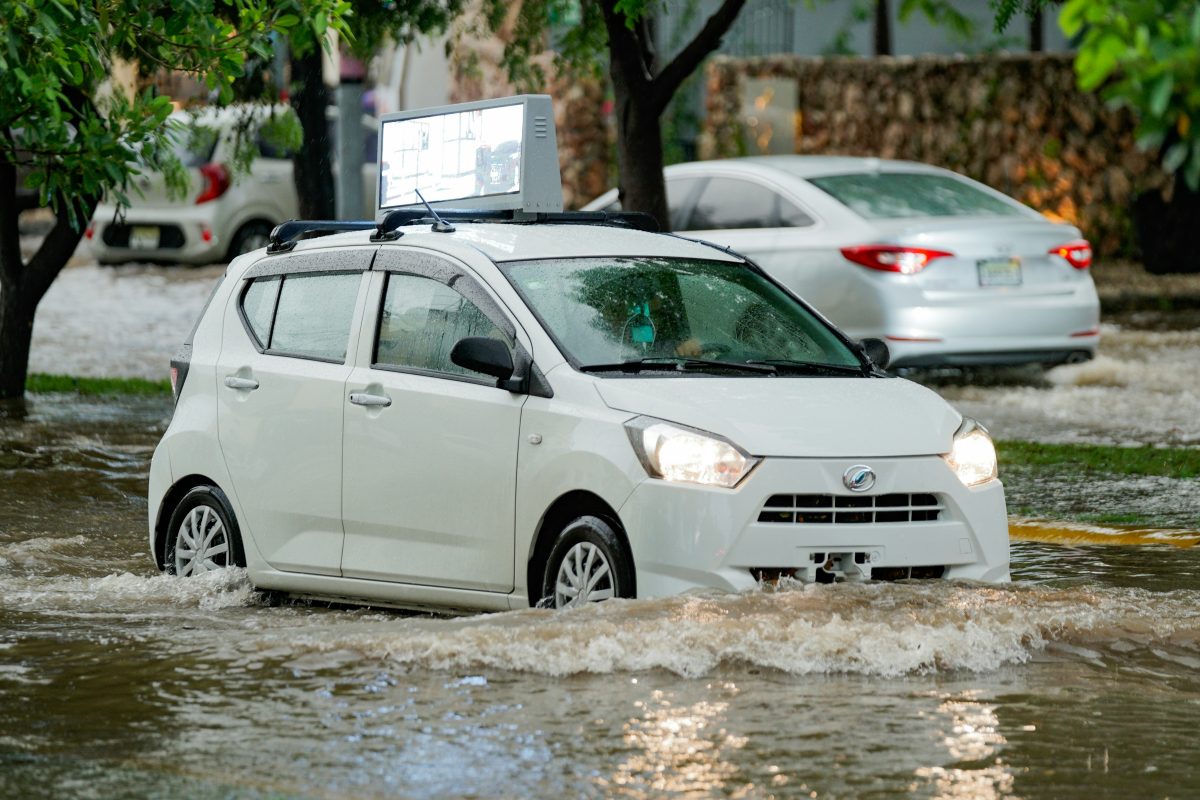
Photo by Aldward Castillo on Unsplash
Severe weather can strike without warning, leaving vehicle owners with expensive repair bills. Taking a few proactive steps can save your car from extreme wind, heavy rain, and falling debris. You do not need to spend a fortune to keep your vehicle safe. Simple adjustments to your routine make a massive difference when a storm rolls into town. Let’s look at practical ways to shield your automobile from nature’s worst elements.
Choosing the Right Parking Location
Finding a safe spot to park before the clouds roll in is a smart move. Street parking leaves your asset vulnerable to flying branches, loose trash cans, and stray debris. A solid carport offers some defense; a fully enclosed garage remains the top choice for total protection.
Severe weather shifts quickly across Victoria, creating hazardous conditions for car owners in the suburbs. Finding secure vehicle storage in Melbourne helps protect your investment from sudden structural damage during heavy downpours. Secure facilities give you peace of mind when local streets begin to flood. Safe storage spaces block out flying hazards completely.
Exposing vehicles to harsh weather increases long-term depreciation risks. Planning avoids stressful emergency claims and expensive body repairs. Dedicated storage spaces provide an excellent barrier against unpredictable climate shifts.
Flood Awareness and Water Hazards
Rising water levels present a major threat to your engine and electrical systems. Drivers frequently attempt to cross flooded roads without realizing the big risks beneath the surface. An auto club safety report highlighted that just a few inches of moving water can stall or sweep away a vehicle.
Parking on high ground is the best strategy if you lack indoor space. Avoid low-lying driveways, coastal roads, and areas near drainage ditches. Moving your vehicle to an elevated position prevents water from reaching the exhaust pipe.
Flash flooding occurs rapidly, leaving little time to relocate vehicles. Tracking local water alerts allows you to act before paths become impassable. Dry ground protects your vehicle’s delicate undercarriage from corrosive elements.
Windshield Maintenance and Visibility
Clear vision is critical if you get caught driving through a sudden storm. Worn components fail under heavy pressure, blinding you during intense cloudbursts. A recent automotive guide suggested using a new set of wiper blades to minimize smears, streaks, and blurry spots on your windshield.
Replacing these parts before the storm season starts keeps your vision clear. Check your washer fluid levels regularly to clean off muddy residue left by heavy rain. Clear glass allows you to spot road hazards early.
Strong winds carry heavy dust and grit that scratches unprotected glass surfaces. Maintaining clean windows prevents fine scratches from turning into deep, irreparable cracks. High-quality blades scrape away heavy sheets of water efficiently during severe downpours.
Shielding the Exterior from Hail Damage
Hailstones cause severe dents and shatter windows within seconds. Investing in a specialized cover offers an excellent layer of defense when shelter is unavailable. A 2026 repair industry update noted that magnetic padded covers attach securely to your car’s surface, creating a protective cushion that stays in place even during strong winds.
Thick blankets or heavy quilts can serve as temporary shields in an emergency. Fasten them tightly with ropes or bungee cords so they do not blow away. Protecting the glass panels should be your main priority during severe hail events.
Hail repairs cost thousands of dollars and lower vehicle resale value. Padded layers absorb impact forces, saving your paint from chipping. Keeping defensive covers in your trunk keeps you prepared anywhere.
Garage Preparation and Clever Organization
An indoor parking spot works wonders only if it is clear of hazards. Bulky items stored on high shelves can fall onto your car when heavy winds shake the structure. Organizing your space prevents accidental damage from loose household items.
Consider these basic garage safety rules before a storm hits:
- Clear away heavy tools from overhead storage racks.
- Secure loose trash bins and garden equipment outside.
- Keep chemical bottles sealed on lower shelves.
- Check the garage door tracks for loose bolts.
Locking down these items keeps your vehicle scratch-free. Loose objects turn into dangerous projectiles during high-wind situations. Taking an hour to organize your storage area prevents avoidable dents.
Post-Storm Inspection and Care
Your responsibilities do not end when the rain stops falling. Inspecting your automobile after the weather clears helps identify hidden issues before they worsen. Check under the hood for trapped leaves, twigs, and standing water.
Look closely at the brakes and tires for debris accumulation. Wipe down the exterior to remove acidic rain deposits that damage paint over time. Taking fast action prevents rust from taking hold.
Moisture traps itself in small crevices, leading to mold growth. Airing the cabin on a sunny day eliminates damp smells and preserves fabric. Detecting water entry early saves electronic components from short-circuiting.
Photo by Egor Myznik on Unsplash
Protecting your vehicle requires careful planning and quick action. Staying ahead of regional weather reports gives you plenty of time to execute these safety steps. Your vehicle is a major investment, and a little effort shields it from severe environmental hazards. Keep these strategies in mind next time dark clouds gather on the horizon.