What Patients Should Know Before Dental Implant Surgery
According to the American Dental Association’s 2024 clinical research, dental implants maintain a success rate above 95% when proper patient selection and surgical protocols are followed — yet the majority of treatment failures stem from inadequate patient preparation and unrealistic expectations rather than surgical complications. As implant technology advances and treatment options expand, the gap between informed patients who achieve optimal outcomes and those who struggle with complications continues to widen. The decision to undergo dental implant surgery represents one of the most significant investments in long-term oral health, affecting everything from nutrition and speech to self-confidence for decades to come.
For anyone considering this procedure, understanding what actually happens during surgery, how healing progresses, and what factors influence success can mean the difference between a transformative experience and months of unexpected challenges. The stakes are particularly high given that most insurance plans provide limited coverage, making informed decision-making essential for both clinical and financial outcomes.
What Happens During Dental Implant Surgery Step by Step
The surgical process begins long before you enter the treatment room, with detailed imaging and treatment planning that maps the exact placement of each implant. Your oral surgeon uses 3D cone beam CT scans to assess bone density, locate vital structures like nerves and sinuses, and create a precise surgical guide that ensures optimal implant positioning.
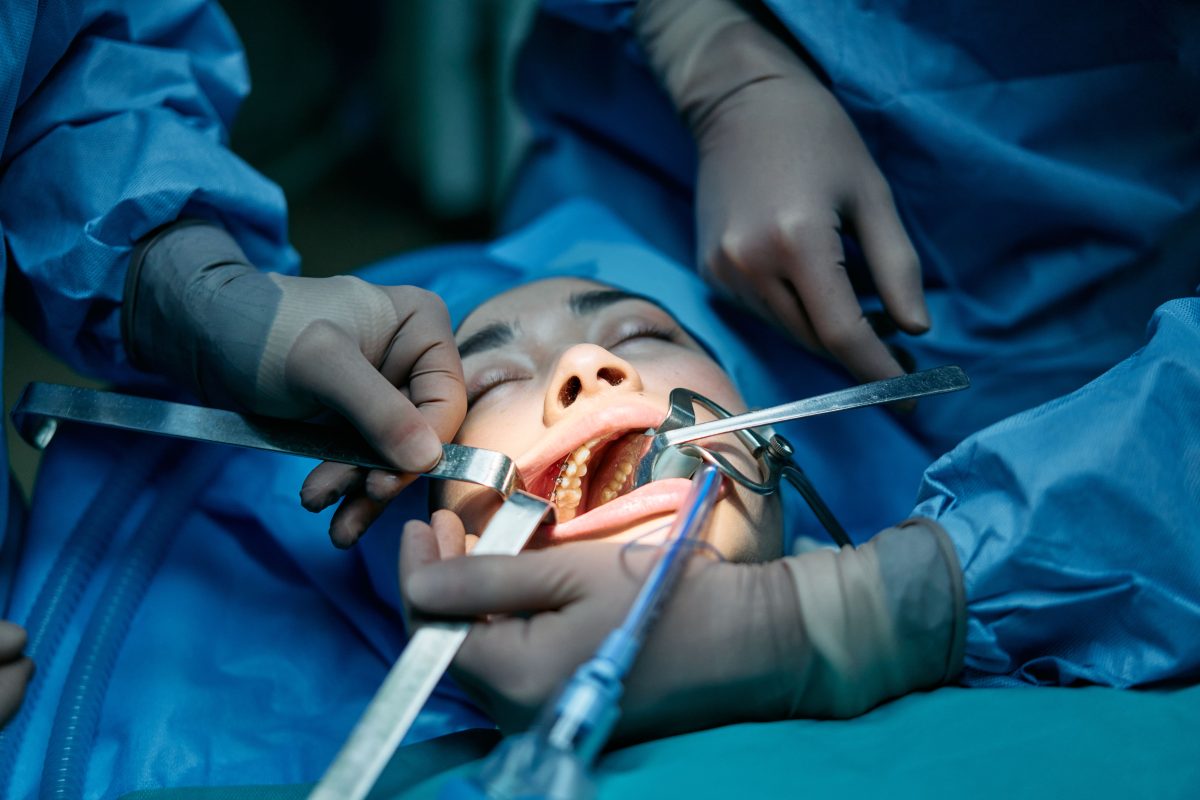
On the day of surgery, local anesthesia numbs the treatment area completely, though many patients opt for conscious sedation to reduce anxiety. The surgeon makes a small incision in the gum tissue to expose the jawbone beneath, then uses a series of progressively larger drills to create the implant site. This drilling process generates heat, so the surgeon irrigates constantly with saline solution to protect the bone cells that will eventually bond with the implant.
The titanium implant — essentially a threaded post — is carefully inserted into the prepared site at a specific torque level to ensure initial stability without damaging surrounding bone. If you’re receiving an immediate-load implant, a temporary crown may be attached the same day. However, most patients receive a healing abutment and wait for osseointegration before crown placement.
The entire procedure typically takes 45 minutes to two hours depending on the number of implants and complexity of the case. Most patients report that the actual surgery feels less invasive than they anticipated, with pressure sensations but no sharp pain during the procedure itself.
How Healing and Recovery Progress After Surgery
The first 48 hours post-surgery mark the most critical period for controlling inflammation and establishing proper healing patterns. Swelling peaks around day three, while any bleeding should stop within the first 24 hours. Most patients manage discomfort effectively with over-the-counter pain relievers, though prescription medications may be necessary for more extensive procedures.
Osseointegration — the process where bone cells grow into the implant’s titanium surface — begins immediately but takes three to six months to complete. During this phase, the implant gradually becomes more stable as new bone tissue forms around it. You’ll notice the area feeling increasingly normal, though the implant site should be protected from excessive force during this critical period.
The soft tissue healing happens much faster, with the gum tissue typically closing within two weeks. However, the underlying bone remodeling continues for several months. This explains why temporary crowns, when used, are designed to stay slightly out of bite contact — premature loading can disrupt the integration process and lead to implant failure.
Most patients return to normal activities within a few days, though strenuous exercise should be avoided for the first week. Diet restrictions are minimal after the initial healing period, but maintaining excellent oral hygiene around the implant site becomes crucial for long-term success. The transition from surgical site to functional tooth replacement happens gradually, with patients often forgetting they have an implant once the final crown is placed and osseointegration is complete.
What Are the Common Risks and Complications of Dental Implant Surgery
Infection represents the most immediate surgical risk, typically manifesting as increased pain, swelling, or discharge three to five days post-surgery. While rare when proper sterile techniques are followed, infections require prompt antibiotic treatment and occasionally implant removal. Patients with compromised immune systems or uncontrolled diabetes face elevated infection risks.
Nerve damage, though uncommon, can occur during lower jaw implant placement if the implant contacts the inferior alveolar nerve. This may cause temporary or permanent numbness in the lip, chin, or tongue. Experienced surgeons use detailed imaging to avoid this complication, but the risk increases in cases with limited bone height or previous extractions that altered normal anatomy.
Implant failure falls into two categories: early failure during the first few months due to poor osseointegration, and late failure years later from peri-implantitis (implant gum disease). Early failures often result from smoking, inadequate bone quality, or premature loading. Late failures typically develop when bacteria accumulate around the implant, causing bone loss similar to gum disease around natural teeth.
Sinus complications can arise during upper jaw implant placement when the implant penetrates the maxillary sinus floor. This may cause sinus infections or chronic discomfort, particularly in patients with thin bone between the tooth roots and sinus cavity. Pre-surgical planning with bone grafting significantly reduces this risk, though some cases require specialized techniques or alternative treatment approaches.
The most overlooked complication involves adjacent tooth damage during implant placement, particularly in tight spaces between existing teeth. Proper case selection and surgical experience minimize this risk, but patients should understand that neighboring teeth may require evaluation if unusual symptoms develop post-surgery.
What Types of Dental Implants Are Available and How Do Materials Differ
Different Types of Dental Implants Explained
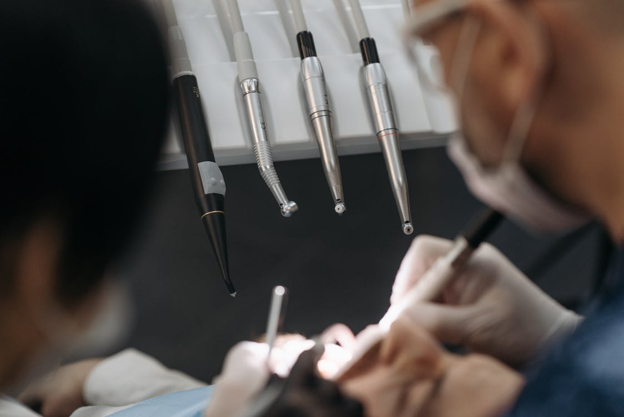
Endosteal implants — the most common type — are placed directly into the jawbone and work best for patients with adequate bone height and width. These threaded titanium posts come in various lengths and diameters to match different anatomical situations and support everything from single crowns to full-arch restorations.
Subperiosteal implants sit on top of the jawbone beneath the gum tissue, designed for patients who lack sufficient bone for traditional implants but want to avoid bone grafting procedures. A metal framework rests on the bone surface with posts extending through the gums to support prosthetic teeth. While less common today due to advances in bone grafting, these implants serve patients with severe bone loss who aren’t candidates for conventional surgery.
Mini implants, with diameters smaller than standard implants, offer solutions for narrow spaces or patients with limited bone volume. They’re frequently used to stabilize lower dentures or replace small teeth like lateral incisors. The reduced diameter allows placement in areas where full-size implants won’t fit, though they carry lower weight-bearing capacity and may have different longevity profiles compared to conventional implants.
Comparing Titanium and Zirconia Implant Materials
Titanium implants dominate the market due to decades of research proving their biocompatibility and osseointegration capabilities. The material’s ability to bond directly with bone tissue creates the stable foundation that makes implants successful long-term. Titanium also offers excellent strength-to-weight ratios and corrosion resistance in the oral environment.
Zirconia implants provide a metal-free alternative that appeals to patients with metal sensitivities or those seeking more natural aesthetics. The white color eliminates the gray shadowing that can occur with titanium implants in thin gum tissue areas. Zirconia demonstrates good biocompatibility and bone integration, though the research base remains smaller than titanium’s extensive clinical history.
The choice between materials often depends on individual patient factors. Patients with thin gum tissue in visible areas may benefit from zirconia’s color advantages, while those requiring immediate loading or complex restorations often receive titanium implants due to their proven performance under stress. Cost considerations also play a role, as zirconia implants typically carry higher fees reflecting their specialized manufacturing and more limited availability. For those exploring treatment options, affordable dental implant solutions may help bridge the gap between ideal materials and budget constraints.
How to Prepare for Dental Implant Surgery and Who Qualifies
Successful implant outcomes begin with comprehensive medical and dental evaluations that assess both your candidacy and surgical risk factors. Your medical history review focuses on conditions that affect healing, including diabetes, autoimmune disorders, and medications that impact blood clotting or bone metabolism. Smoking represents the single most modifiable risk factor — patients who quit at least two weeks before surgery and remain tobacco-free during healing show significantly better outcomes.
Bone assessment through clinical examination and 3D imaging determines whether your jawbone can support implants without additional procedures. Adequate bone height, width, and density are essential, though modern bone grafting techniques can address deficiencies in many cases. The evaluation also considers gum tissue health, since active periodontal disease must be treated before implant placement to prevent complications.
Pre-surgical preparation includes optimizing your oral hygiene routine and addressing any existing dental problems that could harbor bacteria. Your surgeon may prescribe antibiotics if you’re at higher infection risk, and you’ll receive detailed instructions about medications to avoid, dietary modifications, and arrangements for the day of surgery.
Age rarely disqualifies patients — successful implants have been placed in patients from teenagers to those in their nineties. The key factors are overall health status, bone quality, and commitment to proper post-surgical care. Patients with well-controlled medical conditions generally achieve excellent results, while those with unmanaged diabetes, heavy alcohol use, or poor oral hygiene face higher complication rates.
The most important preparation may be setting realistic expectations about the timeline and process. Implant treatment typically spans several months from initial placement to final crown delivery, requiring patience and compliance with post-surgical instructions. Understanding this commitment upfront helps ensure you’re mentally and practically prepared for successful treatment completion.