Summer in Richmond, TX Is Tough on AC Systems—Here’s How to Avoid Breakdowns
Introduction: The Richmond “Heat Island” Effect
In 2026, Richmond, Texas isn’t just hot. It’s experiencing longer, more intense heat waves with humidity levels that make every degree feel ten degrees hotter. From the sprawling new developments in Harvest Green to the established estates in Pecan Grove, residential air conditioning systems are running 20% longer than they did just five years ago.
This isn’t your imagination. Climate data shows that Fort Bend County is experiencing what meteorologists call “sustained heat stress periods” where temperatures stay elevated for weeks without relief. Your AC system wasn’t designed for this kind of relentless demand, and that sustained stress is the number one reason for sudden mid-summer failures that leave families sweating while waiting for emergency repairs.
Understanding why modern AC systems struggle with Richmond’s evolving climate and what you can do about it can mean the difference between a comfortable summer and a miserable week without cooling while technicians are booked solid with emergency calls.
Why Standard AC Systems Are Failing in Fort Bend County
Walk into most Richmond homes and you’ll find what the industry calls a “single-stage” air conditioning system. These units operate like a light switch, either running at 100% capacity or completely off. There’s no middle ground, no ability to modulate output based on actual cooling needs.
In Richmond’s brutal July heat, this on-off cycle creates serious problems that accumulate over time and eventually lead to complete system failure.
The “Clunk” of Death: Mechanical Stress From Constant Cycling
Every time your AC kicks on, it draws a massive surge of electricity to start the compressor and blower motor. That startup moment creates more wear and tear on components than hours of steady operation.
Single-stage systems in Richmond homes cycle on and off dozens of times per day as they struggle to maintain set temperatures against relentless outdoor heat. Each cycle stresses capacitors that help motors start, contactors that control electrical flow, and compressor components that weren’t designed for constant starting and stopping.
The result? Premature failure of expensive components. That clicking sound followed by silence when your AC tries to start? That’s often a failed capacitor from excessive cycling. The humming outdoor unit that won’t actually run? Frequently a compressor damaged by years of harsh startup stress.
The Humidity Trap Nobody Talks About
Here’s what most Richmond homeowners don’t realize. Your air conditioner removes humidity by running long enough for moisture in the air to condense on the cold evaporator coil and drain away.
Single-stage systems cool your home quickly, then shut off. In Richmond’s humid climate, especially in areas near the Brazos River, this creates homes that hit the thermostat temperature but feel uncomfortably sticky. You end up at 72 degrees but it feels like 78 because the humidity is still 60% or higher.
People respond by lowering the thermostat further, forcing the system to run more, using more energy, and creating even more stress that accelerates wear and breakdown.
It’s a cycle that leaves you uncomfortable, paying higher electric bills, and heading toward expensive repairs or complete system replacement sooner than should be necessary.
Hot Spots That Standard Systems Can’t Fix
Two-story Richmond homes, especially the popular open-concept designs in newer developments, create temperature challenges that single-stage systems struggle to address. The upstairs master bedroom stays warmer. The downstairs feels like an icebox. The tall foyer with vaulted ceilings never quite gets comfortable.
Standard systems can’t adjust their output to balance these temperature differences. They’re stuck running full blast until the downstairs thermostat is satisfied, leaving upstairs rooms perpetually warm.
The Smart Solution: Advanced Variable-Speed Technology
The HVAC industry has evolved beyond simple on-off systems, but many Richmond homeowners don’t realize better technology exists that solves the exact problems causing their discomfort and system failures.
Modern variable-speed systems represent a fundamental shift in how air conditioning works. Instead of the light switch approach, these systems operate more like a dimmer, adjusting output continuously to match your home’s actual cooling needs.
Variable-Speed Precision That Matches Richmond’s Demands
Advanced systems can run at capacity levels ranging from 25% to 100%, adjusting in small increments based on real-time temperature and humidity conditions. This means the system runs longer at lower speeds rather than cycling on and off repeatedly.
The benefits for Richmond homes are substantial. Systems running at lower speeds for longer periods remove far more humidity from the air, creating genuinely comfortable indoor environments even on the most humid days. The constant gentle airflow eliminates hot spots by continuously circulating conditioned air throughout your home.
And because the system isn’t constantly starting and stopping, mechanical components last significantly longer. You avoid the wear and tear that kills standard systems prematurely.
Advanced Dehumidification for Brazos River Valley Humidity
Living anywhere near the Brazos River means fighting humidity is as important as fighting heat. Advanced variable-speed systems excel at moisture removal because they can run at reduced speeds specifically optimized for dehumidification.
Instead of blasting cold air and shutting off before moisture is removed, these systems maintain steady operation that continuously pulls water from the air and drains it away properly. The result is indoor humidity levels in the comfortable 40-50% range rather than the sticky 60%+ that standard systems allow.
For Richmond families tired of that clammy feeling even when the thermostat says it’s cool enough, proper dehumidification transforms indoor comfort completely.
Proactive System Monitoring and Maintenance Alerts
Perhaps the most valuable feature of advanced HVAC technology is built-in system monitoring that can detect problems before they cause breakdowns.
Smart controls continuously monitor system performance, tracking metrics like airflow, temperature differentials, operating pressures, and electrical draw. When something starts trending outside normal parameters, the system can alert you to schedule preventive HVAC maintenance before a minor issue becomes a major failure.
Imagine getting a notification that your air filter is restricting airflow before it causes your evaporator coil to freeze. Or being alerted to a refrigerant pressure drop before it damages your compressor. This proactive approach prevents the emergency breakdowns that leave you without cooling during the hottest weeks of summer when every HVAC company is booked solid.
Five Critical Steps to Prevent Summer AC Breakdowns
Whether you’re ready to upgrade to advanced HVAC technology or you’re maintaining your current system, these five steps dramatically reduce the risk of mid-summer failures.
1. The “Two-Foot Rule” for Outdoor Units
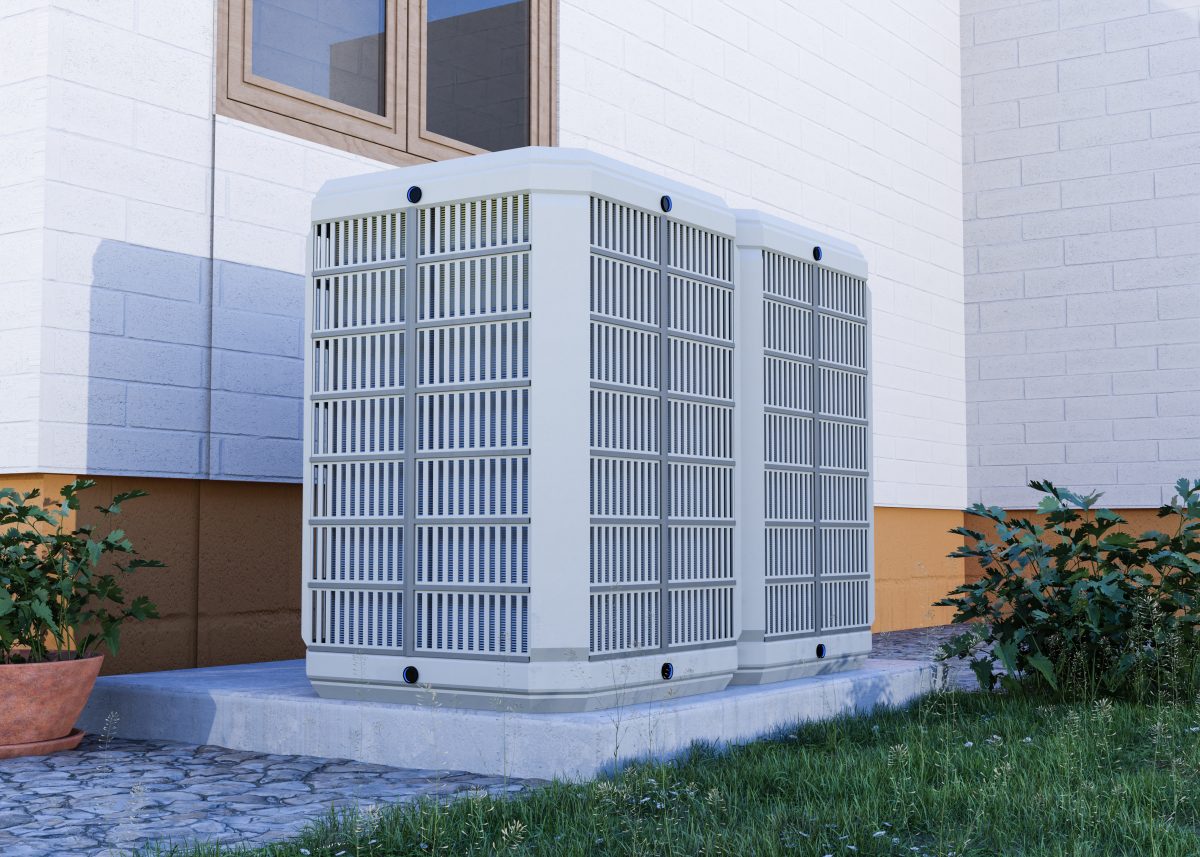
Your outdoor condenser unit needs adequate airflow to reject heat effectively. Richmond’s fast-growing summer vegetation, from weeds to ornamental grasses, can choke your unit in just weeks during peak growing season.
Maintain at least two feet of clearance on all sides of your outdoor unit. Trim shrubs, remove weeds, and keep grass cut short around the unit. Check monthly during summer because growth happens fast.
Also remove debris like leaves, seed pods from trees, and grass clippings that accumulate on the unit fins. These block airflow and force your system to work harder, accelerating wear and reducing efficiency.
2. Filter Discipline: The 30-Day Rule for Richmond
In Richmond’s 77469 zip code and throughout Fort Bend County, air filter life is shorter than you think. New construction dust from ongoing development, high pollen counts from our abundant vegetation, and general outdoor dust mean filters clog faster here than in many other areas.
Check your filter every 30 days, not the 90 days manufacturers suggest for “average” conditions. Richmond conditions aren’t average. If you have pets, check even more frequently.
A clogged filter is the single most common cause of AC problems. It restricts airflow, causes evaporator coils to freeze, forces blower motors to work harder, and reduces system efficiency dramatically. A $20 filter changed regularly prevents hundreds or thousands in repair costs.
3. Clear the Condensate Drain Line
Richmond’s humidity means your air conditioner produces gallons of water daily as it removes moisture from indoor air. That water drains through a condensate line that can clog with algae, mold, and debris.
A clogged drain line causes water to back up, triggering safety switches that shut down your system or, worse, allowing water to overflow into your home causing damage to ceilings, walls, and belongings.
Every few months, pour a cup of white vinegar down your condensate drain line to prevent algae growth. If you notice water around your indoor unit or the AC shutting down unexpectedly, a clogged drain is the likely culprit requiring emergency AC repair attention.
4. Smart Thermostat Placement and Calibration
Where your thermostat is located and how accurately it reads temperature dramatically affects system performance. Thermostats on exterior walls, near windows with direct sunlight, or in areas with poor air circulation give false readings that cause systems to overwork.
If your thermostat sits in a consistently warm spot, it tells your AC to run constantly trying to reach a set temperature that the rest of your home has already achieved. This wastes energy and creates unnecessary wear.
Similarly, older thermostats can lose calibration over time, reading temperatures incorrectly and causing inappropriate system operation. If your home feels comfortable but the thermostat display doesn’t match what you’d expect, calibration issues might be causing your system to work harder than necessary.
Modern smart thermostats largely eliminate these issues while providing better control and efficiency. Upgrading your thermostat is one of the most cost-effective improvements you can make to HVAC system performance.
5. Professional Tune-Ups Before Summer Arrives
The absolute best time for HVAC maintenance is before you actually need your system to work hard. Spring tune-ups, ideally in April or early May before Richmond’s heat really kicks in, catch small problems before they cause summer breakdowns.
Professional HVAC inspection services include comprehensive system checks that identify issues invisible to homeowners. Technicians measure refrigerant levels, test electrical components, clean coils, check for proper airflow, inspect ductwork, and verify safety controls all function correctly.
A failing capacitor costs around $200 to replace during routine maintenance. If it fails completely during operation, it can damage a compressor that costs $2,000 to $3,000 to replace. That’s a ten-fold cost increase from ignoring a problem a professional would have caught during preventive service.
NATE-certified technicians have the training and experience to spot subtle signs of developing problems. Slight changes in operating sounds, small variations in temperature differentials, early signs of electrical contact wear, all indicators that something needs attention before it fails completely.
When to Consider System Replacement vs. Ongoing Repairs
If your Richmond AC system is over ten years old, requires frequent repairs, struggles to keep your home comfortable, or runs constantly driving up electric bills, it might be time to evaluate replacement rather than continuing to pour money into an aging system.
Modern high-efficiency systems use 30-50% less energy than units from the early 2000s. For Richmond homes where air conditioning runs six months or more annually, that efficiency improvement delivers substantial savings that help offset replacement costs over the system’s lifespan.
Additionally, new systems provide comfort levels that older equipment simply cannot match. Better humidity control, more consistent temperatures, quieter operation, and advanced features like zoning and smart controls transform how your home feels during brutal Texas summers.
Consulting with experienced HVAC contractors about whether repair or replacement makes sense for your specific situation provides clarity about the best path forward. Sometimes extending an existing system’s life makes sense. Other times, replacement delivers better long-term value.
Don’t Wait for Triple Digits: Take Action Now
Richmond summers are unforgiving. When your AC fails during a heat wave with temperatures hitting triple digits and humidity making it feel even hotter, you’re looking at days of discomfort while HVAC companies work through packed emergency call schedules.
The best time for AC maintenance in Richmond TX is before you actually need it desperately. Spring preparation, regular filter changes, attention to outdoor unit clearance, and professional tune-ups keep systems running reliably when you need them most.
Whether you’re maintaining an older unit through its final years or upgrading to modern high-efficiency technology that handles Richmond’s climate with ease, being proactive is the only reliable way to beat the Texas heat.
At Temper Mechanical Air & Heat LLC, we help Richmond homeowners stay comfortable through every summer with expert maintenance, reliable repairs, and professional installation of advanced cooling systems designed for our demanding climate. Don’t wait until your system fails. Contact us today to ensure your air conditioning is ready for whatever Richmond summer throws at it.
Read more: When Should You Call an Air Conditioning Repair Service?
Read more: Why Ductless Systems Are Replacing Traditional Commercial AC Units