The Mind and Home Connection: How Your Space Shapes Your Mood
How Your Home Environment Can Influence Stress and Mental Well-Being
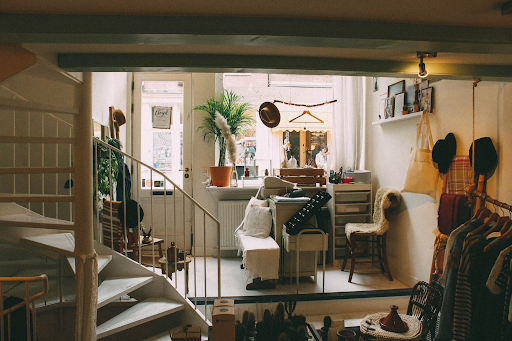
Think about the moment you return home after a long, exhausting day. When you finally step through your front door and drop your bags, how does your body react? For some people, walking inside feels like taking a deep, refreshing breath of relief. For others, crossing the threshold only adds an extra weight to their tired shoulders.
We often spend so much time looking deep inside our own minds to find the hidden sources of our daily stress. In doing so, we completely forget that our outer physical environment is constantly talking to our inner biological system. Everything from the lighting in your hallway to the stack of mail on your kitchen counter sends signals to your brain. Our home environment plays a direct, daily role in regulating our nervous system. The spaces where we sleep, eat, and relax heavily influence our daily stress levels, our ability to focus, and our overall mental health.
By understanding this deep connection between your surroundings and your thoughts, you can start making intentional choices that support a much healthier and happier lifestyle.
Clutter and the Overloaded Mind
One of the most common sources of household stress is physical clutter. When your living space is filled with disorganized items, it creates constant visual noise. Your brain is forced to process all of these objects simultaneously, making it incredibly difficult for your mind to fully relax and focus on the present moment.
Furthermore, piles of laundry, stacks of unopened mail, and cluttered desks act as a subconscious to-do list. Every time you walk past a messy room, your brain silently reminds you of the chores you have not finished yet. This silent nagging keeps your cortisol, the primary stress hormone, elevated throughout the day. Reading through Liven app reviews can show you how many people struggle with this exact type of daily anxiety and seek tools to manage it.
The relief of simplicity is profound. By clearing physical space and removing excess items, you immediately create mental breathing room and restore a much-needed sense of order to your day.
Light, Colors, and Nature: The Natural Balance
The natural elements inside your home also have a profound impact on your emotional balance. The power of natural sunlight cannot be overstated. Regular exposure to natural light through your windows helps to regulate your internal body clock, improving your sleep-wake cycles, boosting your daily energy, and naturally elevating your serotonin levels. When you lack natural light, your mood can easily become sluggish and sad.
Additionally, the psychology of color plays a silent but massive role in how you feel in a room. Painting your walls with calm, neutral tones like soft blues, gentle greens, or warm earthy shades fosters a deep sense of serenity. On the other hand, overly harsh, bright, or chaotic colors can trigger feelings of restlessness and agitation.
Finally, bringing the outdoors inside is a wonderful way to soothe your mind. Adding green house plants, decorating with natural wood materials, and opening the windows for fresh air can quickly lower your anxiety and reconnect you with nature.
Defining Boundaries: Rest vs. Work
Today, the lines between our professional lives and our personal lives have become deeply blurred. The widespread shift to working from home has created a unique psychological challenge. When you answer stressful work emails from the exact same sofa where you watch movies with your family, your brain becomes confused. This blurring between productivity zones and relaxation zones keeps your nervous system on high alert long after the workday ends.
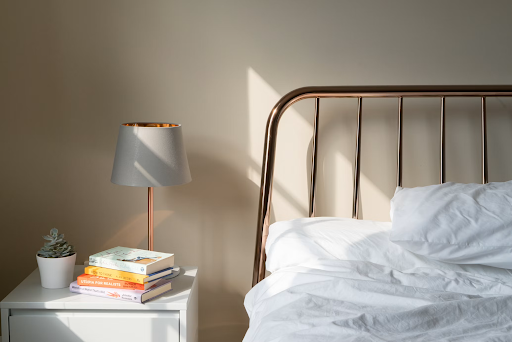
To combat this, you must create safe harbors within your home. It is absolutely crucial to have at least one dedicated sanctuary space that is strictly reserved for rest, recovery, and emotional reset. You can also use sensory cues to help define these boundaries. Using soft, warm lighting in the evenings, adding comforting physical textures like heavy blankets, and introducing calm scents like lavender can physically signal to your body that the workday is over and it is finally safe to unwind.
Small Changes for a Calmer Home
Transforming your living space does not require a massive budget or a complete home renovation. It starts with focusing on what you can easily control. When the outside world feels chaotic, unpredictable, and overwhelming, organizing just one small corner of your home can give you a powerful sense of personal agency. Mindful cleaning is a wonderful tool for mental wellness. Instead of viewing daily chores as tedious, exhausting burdens, try to turn them into grounding, meditative routines. Sweeping the floor or washing the dishes can become a quiet moment to reset your thoughts.
Most importantly, always choose personalization over perfection. Social media often pushes us to create flawless, trendy homes that look like they belong in a magazine. However, a truly healthy home should reflect safety, warmth, and your own personal meaning. Surround yourself with photographs, beloved books, and meaningful objects that make you feel happy, grounded, and completely at ease in your own space.
Designing Your Daily Peace
A peaceful home is never about expensive luxury or flawless, picture-perfect interior design. It is simply about creating an intentional environment that actively supports your mental well-being every single day. The spaces we inhabit shape the thoughts we think and the emotions we feel. When you take the time to care for your living space, you are directly caring for your own mind. Do not wait for a perfect moment to make a change. Pick one small area of your home, like a single shelf or a crowded kitchen counter, to clean and rearrange today to invite instant calm into your life. A clearer room truly leads to a clearer mind, so take that first step right now.
Read more: Living in a Small Apartment: Practical Ways to Free Up Space Without Moving
Read more: 7 Essential Kitchen Layouts for Modern Families
Read more: The Finishing Touches That Turn an Ordinary Room Into a Statement Space