Historic Northeast Mining Towns Lost to Time
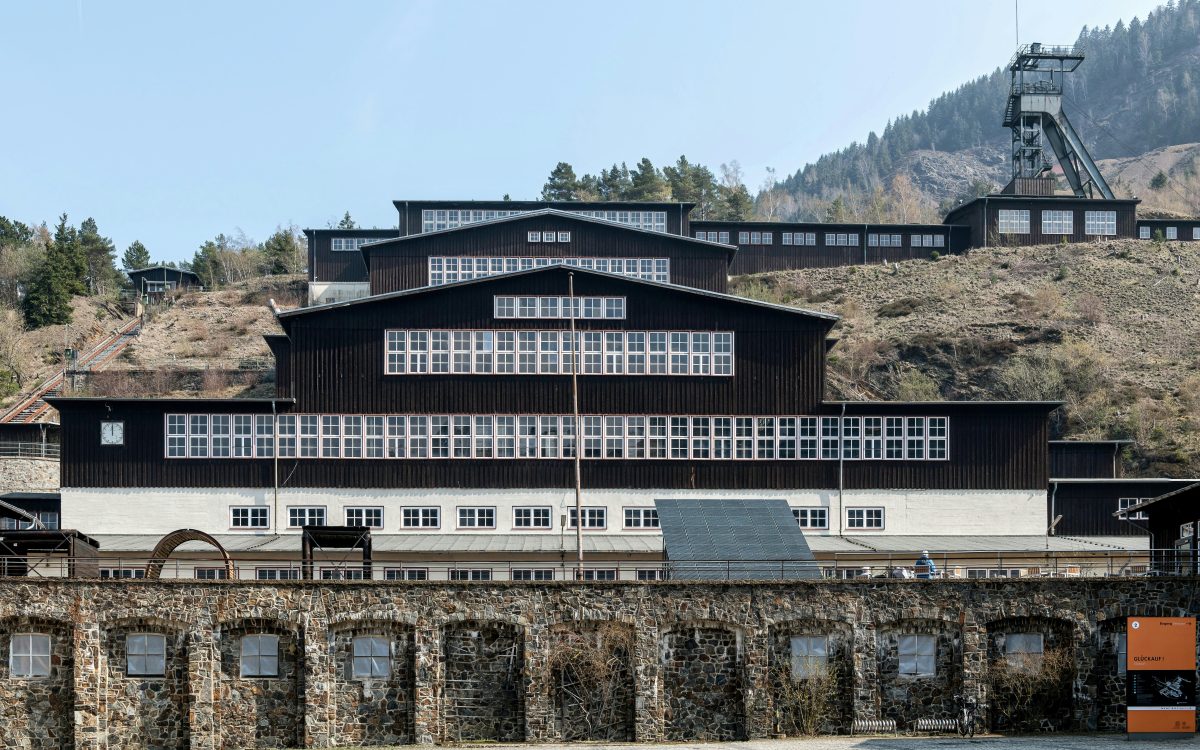
Industrial growth shaped many communities across the Northeast during the 19th century. Dense forests and quiet valleys transformed into busy extraction hubs almost overnight. As resources dwindled and technology evolved, these communities gradually emptied. Today, hidden ruins scattered across the region offer a compelling glimpse into local history.
Early Industrial Boom in the Northeast
Coal fields and iron mines created instant neighborhood centers where families lived right next to their workplaces. Company stores, housing tracts, and rail lines defined daily life for generations of mining families. These active settlements provided everything residents needed within walking distance of the pit head.
Local history readers often study how quickly these industrial hubs expanded during their peak operation years. Across rural areas, many historic Ghost Towns remain quiet reminders of forgotten industrial communities. Wandering through these sites offers a clear view into the everyday lives of former resource workers. These abandoned locations help us understand the social structure of early American industrial labor.
Centralia and the Underground Mine Fire
Centralia stands as one of the most famous examples of an abandoned Pennsylvania mining hub. An underground coal seam ignited in 1962, creating hazardous gases and deep ground fissures throughout the community. Reports from Mental Floss note that public authorities spent upwards of $3.3 million trying to put out the subterranean blaze between 1962 and 1978. A travel feature from Flight Odyssey described how empty paved roads and rising steam clouds mark the location after heat forced residents to relocate.
Efforts to extinguish the underground flames failed, leading to major government actions in subsequent years. Articles on Islands highlight that the location retains five residents today, even with coal seams burning continuously under the ground since 1962. Coverage from All That’s Interesting mentions that federal officials allocated $42 million in 1983 to purchase structures, clear buildings, and move residents to safer neighboring towns. The remaining streets now serve as a stark reminder of industrial hazards.
Concrete City’s Model Housing Experiment
Not all extraction communities were built out of simple wood frame homes. In Luzerne County, coal companies attempted ambitious structural designs to house their workforce. They aimed to construct modern living spaces that could withstand harsh weather and intense use.
A historical breakdown from Rock & Gem notes that Concrete City was built in 1911 as a planned residential complex featuring 20 poured concrete duplexes for select Truesdale Colliery workers near Nanticoke, Pennsylvania. Company leaders sought to construct durable homes that resisted fire and wear. Drainage issues and high maintenance costs eventually led owners to abandon the complex, leaving massive concrete structures standing in the woods. Modern visitors can still view these hollow structures standing amid surrounding growth.
Historic Ironworks of Northern New England
Mining activity extended far beyond the coal fields of Pennsylvania. New England contained key sites where iron ore extraction powered early American manufacturing. Remote valleys produced raw metal required for growing regional railroads and factories.
Geographic guides from WorldAtlas point to historic sites like Katahdin Iron Works in Maine, where industrial operations ran continuously from 1845 through 1890 near Gulf Hagas. Blast furnace stacks and charcoal kilns still stand near local hiking trails. These structures remind visitors of the heavy labor required to process raw iron in northern timberlands during the 19th century. Local preservation groups maintain these areas so visitors can learn about early industrial ingenuity.
Preservation Efforts at Historic Mining Sites
State organizations and local historical societies work continuously to protect remaining physical structures. Historic sites allow visitors to learn about industrial labor without trespassing on unsafe grounds. Educational exhibits help preserve the stories of families who built these communities.
News updates from Eckley Miners’ Village report that state museum officials plan to construct a modern facility at the site, drawing inspiration from early 20th century coal breakers. Visitors can explore preserved company homes, church buildings, and mine offices. Historic features at these regional sites include:
- Stone foundations of former coal breaker operations
- Overgrown railway beds once used for coal transportation
- Weathered concrete structures standing in secondary forests
- Informational trail markers explaining industrial history
Exploring Regional Heritage Safely
Visiting abandoned extraction sites requires careful planning and respect for local regulations. Old mine shafts contain hidden hazards, loose rock, and unstable ground. Exploration should always prioritize personal safety and site preservation.
Sticking to designated public trails and state park grounds ensures visitor safety and honors regional memory. Checking site access rules ahead of time helps preserve these physical locations for future generations. Local history enthusiasts can enjoy learning about the past and keeping historic grounds protected.
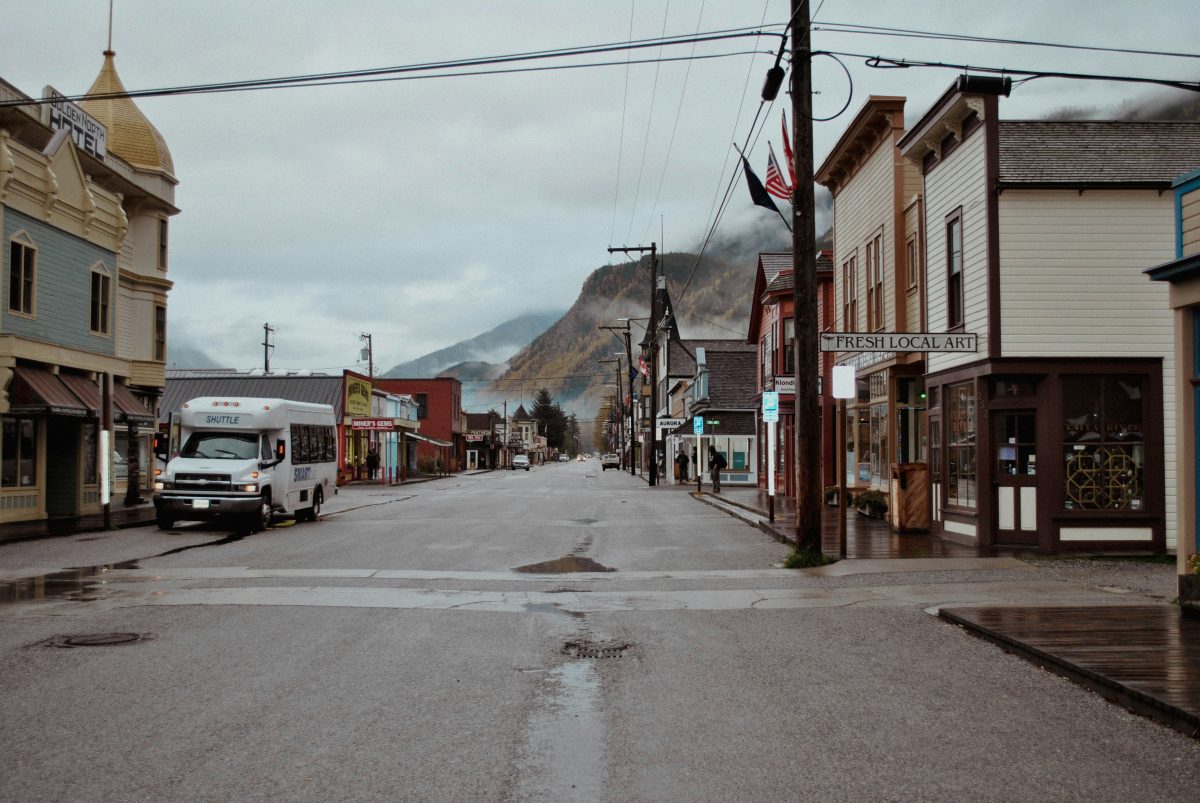
The story of Northeastern mining towns reflects rapid growth, community resilience, and eventual change. Physical relics of coal and iron production still dot the countryside, offering quiet spaces for historical reflection. By learning about these abandoned locations, residents gain a deeper appreciation for the workers who powered regional growth. Preserving this heritage keeps local history alive for years to come.
Read more: How Mining Maintenance Software Keeps Operations Running at Full Capacity
Read more: How to Select a Hydraulic Pump For Your Business (and How to Maintain It)
Read more: The Industrial Metal Supply Chain: From Mining to Manufacturing