WoW Forever Gold: Farming, Spending, and Saving Time on Character Progression

World of Warcraft: Forever is on the horizon, and Blizzard’s reimagining of original Azeroth gives every player, new and veteran alike, something they haven’t had in years: a genuinely fresh economy.
No stockpiled banks, no carryover gold, no market dominated by players who’ve been farming the same routes for a decade. Everyone starts with empty bags, and that changes how gold works from level 1 all the way to 60.
If you’re planning to dive in, it’s worth thinking about gold *before* you create your first character.
Here’s what we know about earning it, spending it, and how it ties into progressing your character.
A Fresh Economy Means Fresh Opportunity
WoW Forever is a fresh 1–60 experience set in a reimagined version of the classic world, where Blizzard has said the journey matters as much as the destination. That design philosophy extends to the economy.
In the first weeks, gold will likely be scarce relative to what players want to buy, while Auction House prices may shift quickly as players work out the value of materials, crafted goods, and other useful items.
At launch, new gold enters the economy through a few main channels, including quest rewards, selling items to vendors, and other NPC payouts. That provides a baseline income while leveling. Beyond that, larger purchases and a more comfortable gold reserve may depend increasingly on trading with other players.
Building Gold While You Level
The most reliable early-game income is built into the leveling process itself. Quest rewards scale up as you progress, while vendoring grey items and unwanted drops keeps a steady flow of coin coming in. Players who want to earn more can also make professions part of their leveling strategy.
Blizzard has confirmed a significantly expanded profession system for WoW Forever, with more than 600 new recipes across professions and level ranges, along with a redesigned Cooking system in which food can provide useful stats and a small experience bonus. This could create demand for materials and crafted goods throughout the leveling journey rather than concentrating all profession activity at level 60.
In a fresh economy, gathering professions such as Mining, Herbalism, and Skinning may be particularly useful because materials can be collected alongside normal questing. Selling them in practical stack sizes on the Auction House can provide another source of income without requiring a separate farming session.
WoW Forever also introduces systems that could create additional demand, including Camping objects that players can build and place, along with Blueprint crafting knowledge connected to dungeon bosses. The Legacy system may also provide gathering-related benefits, although choosing those advantages means giving up other options within the limited point budget available at launch.
The practical approach is simple: gather while you level, watch what actually sells on your ruleset, and avoid spending heavily on profession progression until you have a clearer idea of which materials and crafted items are worth producing.
When You’d Rather Skip the Grind
Of course, farming is not everyone’s idea of a good time, and not every player has hours to dedicate to gathering routes. If you’re balancing work, family, or simply want your limited play sessions to go toward dungeons, exploration, or other progression, repeatedly farming materials can start to feel like another obligation.
For that reason, some players consider third-party marketplaces and choose to buy wow forever gold rather than spending additional playtime farming it themselves.
Anyone considering that option should understand that third-party gold transactions can involve account and transaction risks. Blizzard’s current rules and policies should therefore be checked before making a decision, particularly because policies and enforcement practices can change over time.
For players who prefer to earn everything through normal gameplay, careful spending can be just as valuable as aggressive farming. Prioritising necessary progression costs and delaying optional purchases can make a limited gold supply stretch considerably further.
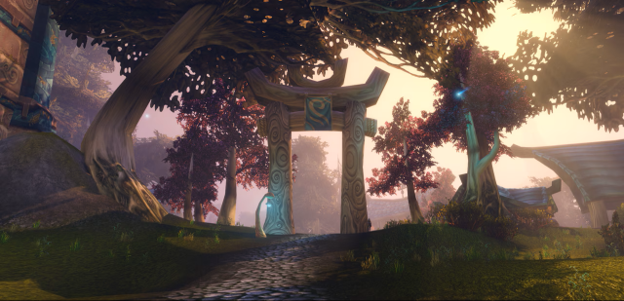
Where the Gold Goes: Sinks and Spending
Not all purchases affect the economy in the same way. When you buy a bag from a Tailor or purchase herbs from another player on the Auction House, that gold simply moves from one player to another and remains within the wider economy.
Payments made directly to NPCs work differently. That gold leaves the player economy entirely, making these expenses important gold sinks that can influence how players plan their progression.
The major areas to watch include:
- Riding training: Blizzard has confirmed a Burning Crusade-style approach in which more of the upfront cost is tied to learning the riding skill rather than purchasing the mount itself. Exact prices have not yet been published, but riding training is likely to be an important expense for players to plan around.
- Profession training and recipes: Trainer ranks, recipes, and other profession-related purchases can gradually add up, especially for players developing more than one profession.
- Repairs and reagents: Repairs, ammunition, class reagents, and other vendor-sold necessities may seem inexpensive individually, but repeated purchases can steadily reduce the amount of gold available for larger progression goals.
The Auction House and the Ruleset Question
Trading with other players happens through the Auction House, direct trades, tips, and crafting services. One wrinkle worth knowing: WoW Forever is built around realmless rulesets, Normal, PvP, Roleplaying, with Hardcore later, and Blizzard has indicated each ruleset functions as its own separate ecosystem, with factions kept apart.
Practically, that means prices on one ruleset may not resemble prices on another, and what’s liquid in one market may sit unsold in the next. Price against the ruleset you actually play on.