Your Basement Window Has a Tiny Moat and It Better Work
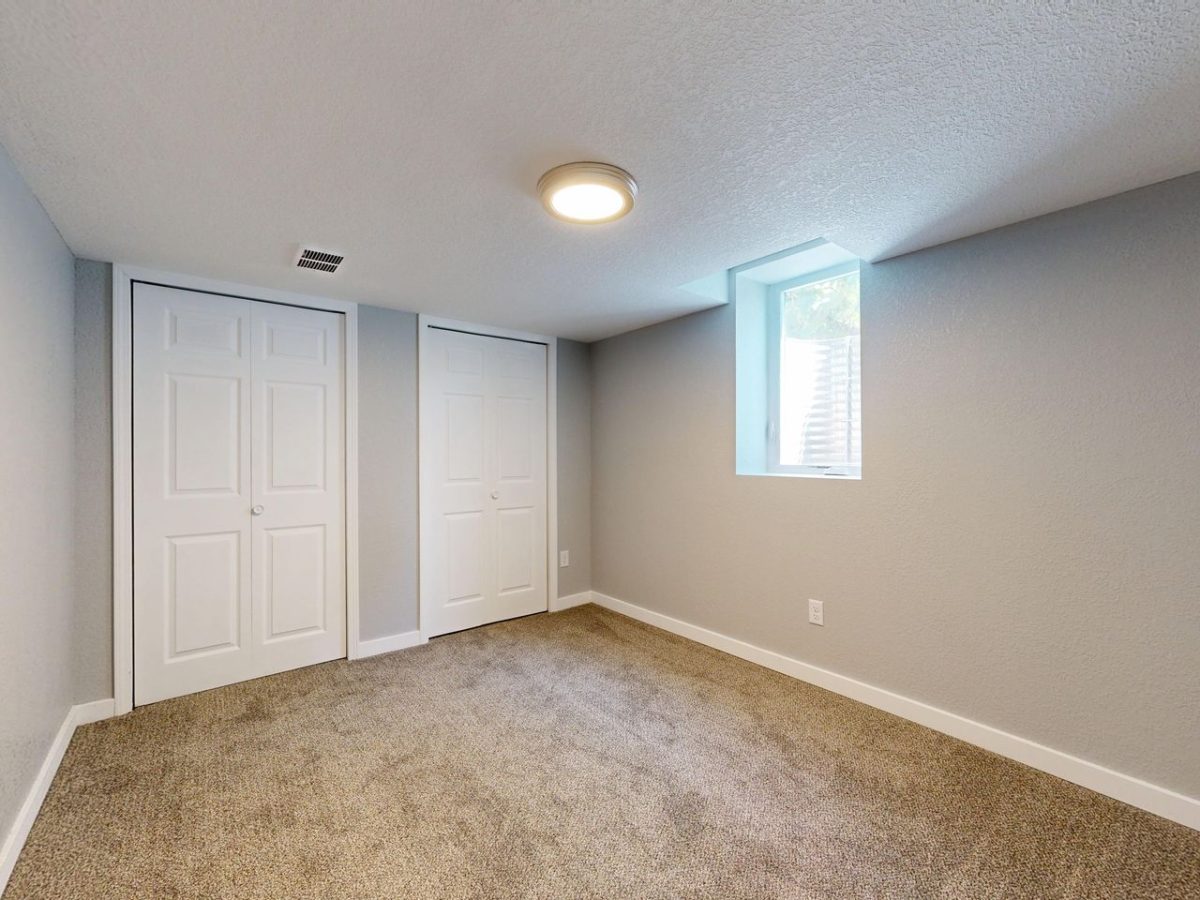
A basement window sitting below ground level needs something most other windows in a house never require, a small protective structure separating that opening from the surrounding soil, runoff, debris, snow, and everything else happening just outside the foundation.
That structure functions almost like a miniature moat, holding back dirt and water that would otherwise press directly against the window and the foundation wall surrounding it, protecting an opening that sits in a genuinely vulnerable position compared to windows elsewhere in the house.
Quality window well replacement Fort Collins homeowners invest in keeps that tiny moat doing its job properly, since a well that’s deteriorated or poorly maintained stops protecting the basement the way it was always originally designed to do.
Below Ground Changes the Rules
Windows positioned above grade never have to contend with soil pressing directly against their exterior surface, but basement windows sitting below the surrounding ground level face an entirely different situation that demands its own dedicated protective structure.
Without a properly constructed well, soil would simply collapse against the window itself, blocking light, trapping moisture, and creating ongoing pressure against both the window and the foundation wall surrounding it throughout the entire year regardless of season.
That fundamental difference, being positioned below the surrounding grade, is exactly why these windows need their own specialized solution. A window well isn’t a decorative feature, it’s a structural necessity for any opening sitting in that particular position.
Water Always Looks for the Easy Route
Water follows the path of least resistance, and a neglected window well can easily become exactly that path if grading, drainage, and maintenance don’t keep pace with whatever precipitation and melting snow happen to bring throughout a typical year across changing seasons.
Poor drainage inside a well allows water to accumulate rather than draining away properly, eventually pressing against the window itself or seeping through gaps that develop over time. Melting snow in particular can overwhelm a well that isn’t draining efficiently enough.
Addressing drainage early prevents that accumulated water from ever becoming a genuine problem. A well designed and maintained properly directs water away rather than allowing it to collect and eventually threaten the basement opening it was specifically built to protect.
Rust and Movement Tell Their Own Story
Older window wells, particularly metal ones, often show visible signs of wear long before they actually fail completely. Rust spots, visible corrosion, and sections that have started bowing or separating from the foundation all signal that attention is genuinely overdue.
That deterioration rarely happens suddenly, it develops gradually over years of exposure to moisture, soil pressure, and seasonal temperature swings. By the time serious damage becomes obvious, the underlying weakening has usually been progressing quietly for quite some time already.
Recognizing those early warning signs, rust, bowing, or visible separation from the foundation, gives homeowners a real opportunity to address problems before an aging well actually fails and lets water or soil compromise the basement opening it’s meant to protect.
A Window Well Can Have More Than One Job
Beyond simply holding back soil and water, a window well often serves additional purposes depending on the specific window and room it’s attached to, adding real functional value beyond its basic protective role surrounding that below grade opening.
Light and ventilation both benefit from a properly designed well, since adequate depth and clearance allow more natural light to reach the basement window and improve airflow compared to a poorly designed or undersized well that restricts both unnecessarily.
Depending on the room and local requirements, some wells also need to support egress, providing an actual emergency exit path. That additional consideration shapes design decisions well beyond simple drainage and protection, adding genuine safety value to the overall structure.
Conclusion
That tiny moat surrounding a basement window performs a surprisingly important job, one many homeowners barely think about until something actually goes wrong and water or soil manages to compromise an opening that was supposed to stay properly protected.
Drainage, structural condition, and sometimes even safety considerations all depend on that small, often overlooked feature functioning correctly year after year, regardless of season or weather conditions happening just outside the foundation at any given time.
Paying attention to a window well’s condition, rather than assuming it will simply keep working indefinitely without any maintenance, tends to prevent exactly the kind of basement problems that are considerably harder to fix once water has already found its way in.