Moving from Clinton to Baton Rouge for Work? What Changes for Your Car Costs
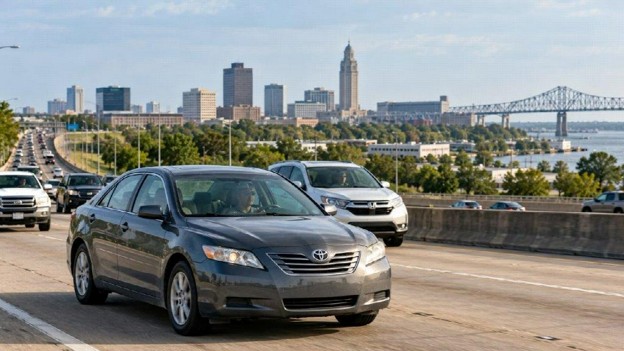
For a lot of people in East Feliciana Parish, a new job in Baton Rouge is a big step. Some decide to keep living in Clinton and commute down LA-67 or US-61. Others pack up and move to the city. Either way, your car costs will change, and not always in the direction you expect. Here’s what to think through before you decide.
East Feliciana already drives more than most
Long drives are nothing new here. The U.S. Census Bureau’s QuickFacts for East Feliciana Parish puts the mean travel time to work at 34.9 minutes for 2020 to 2024. A Baton Rouge job can push a Clinton commute well past the parish average, especially if your office is south of downtown or your shift ends at rush hour.
Option 1: Stay in Clinton and commute
The drive from Clinton into Baton Rouge usually means heading south on LA-67 through Slaughter, or west to pick up US-61, and the route you choose depends on where in the city you work. Run your own numbers, but here’s how to think about it.
Mileage. Use your real route. As an example, if your round trip is 70 miles and you work five days a week, you’d add about 17,500 miles a year just commuting. That means more fuel, more frequent oil changes and tires, and faster depreciation.
Fuel. Divide your annual commute miles by your car’s real-world miles per gallon, then multiply by the price at the pump. At 25 mpg, 17,500 miles is 700 gallons a year.
Insurance. Insurers typically ask how far you drive to work and how many miles you put on the car each year. More time on the road means more exposure to crashes, so a long commute can push the premium up. This explainer on how car insurance rates are calculated breaks down mileage, location and the other factors insurers weigh.
Wear and tear. The rural stretch is easy on a car. The stop-and-go on I-110, Airline Highway and the approaches to downtown and the Medical District is not, and brakes and transmissions feel it.
Fatigue. If you work twelve-hour shifts, think honestly about the drive home at night on two-lane highways with deer, farm equipment and few streetlights.
Option 2: Move to Baton Rouge
What gets better:
- A shorter commute, so lower fuel and maintenance costs.
- More time back in your day, and fewer miles on an aging car.
- More options for errands without a long drive.
What can get worse:
- Insurance rates by location. Premiums are partly based on where the car is garaged. Urban ZIP codes generally see more traffic, more crashes and more theft claims than rural ones, so drivers moving from a small town into a city often see rates rise even while driving fewer miles.
- Parking. Apartments downtown and near LSU may charge for parking or offer only street parking, which raises the odds of break-ins and dings.
- Policy updates. You need to tell your insurer when you move. A garaging address that’s out of date can cause trouble if you file a claim.
A Clinton example
Consider a hypothetical new nurse we’ll call Kayla, who grew up in Clinton and takes a job at a hospital in south Baton Rouge. For her first six months she commutes, putting about 1,500 miles a month on her eight-year-old sedan. When she updates her annual mileage with her insurer, her premium nudges up, and her fuel and maintenance bills climb. The drive home after a night shift wears on her.
She then moves to an apartment near work. Her fuel spending drops sharply and her commute falls to about ten minutes. Her premium goes up modestly because of her new urban ZIP code, but the savings on gas and maintenance more than cover it. She also shops her policy at the move rather than just changing the address, and finds a better rate with a different company.
Questions to ask yourself
- How many miles will I actually drive? Map the real route at the real time of day.
- What would insurance cost in each scenario? Get quotes using both your Clinton address and a likely Baton Rouge address.
- Can I carpool or work hybrid? Even one remote day a week cuts commuting miles by about a fifth.
- Is my car up to it? An older, high-mileage car may not be reliable enough for a long daily round trip.
- What is my time worth? Hours a week behind the wheel are hours not spent with family, on rest or on a side income.
Coverage that matters on either path
The Louisiana Department of Insurance consumer guide lists the state minimum as 15/30/25: $15,000 for bodily injury to one person, $30,000 for bodily injury to more than one person in an accident and $25,000 for property damage. Those limits don’t go far after a serious crash on the interstate. Whether you commute or move, consider higher liability limits, uninsured motorist coverage and rental reimbursement, since being without a car is a much bigger problem when your job is a long drive away.
When you’re ready to compare, look at Louisiana car insurance quotes using your actual new address, mileage and commute, not last year’s numbers.
Ways to trim costs either way
- Shop when life changes. A new job, a new address or a new commute is the best time to compare.
- Maintain the car on schedule. High-mileage commuting makes oil changes, tires and brakes more frequent, and skipping them costs more later.
- Ask about discounts for safe driving, bundling home or renters insurance, paying in full and telematics programs.
- Use the Clinton advantage. If you keep a home in East Feliciana, keep the car garaged there when you can and run errands in town rather than in the city.
Run both numbers side by side
Before you sign a lease or commit to the drive, put the two options on one page: annual commute miles, fuel, maintenance, insurance quotes for both addresses, parking, and rent or mortgage. Add a line for time. Seeing the totals next to each other usually makes the decision obvious, and it gives you real numbers to bring to your agent when you set up the policy for your new routine.