The Impact of Chronic Snoring on Your Well-being
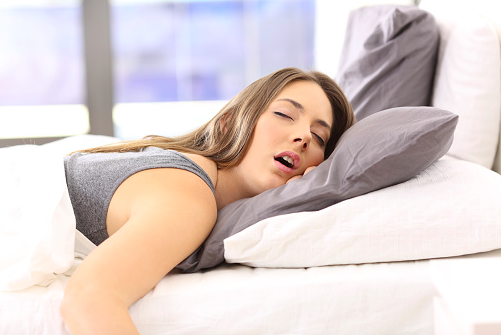
While it often strikes as a trivial and harmless habit, snoring can have great implications for our health and well-being. Most people snore, to varying extents. That said, those who do it loudly and frequently are at a greater risk of suffering from serious medical conditions in the long run. It goes well beyond preventing your partner or people nearby from enjoying a good night’s rest; in fact, if left untreated, chronic snoring can induce daytime sleepiness, low oxygen levels, strokes, or even mental health concerns. In the following guide, we explore how chronic snoring can negatively impact your overall well-being, with useful tips to overcome this habit.
Poor Quality Sleep
One of the first and most obvious consequences of long-term snoring is that you’re likely to experience poor, non-restorative rest. Because you might periodically wake yourself up from lack of oxygen, this can prevent you from getting the recommended 7 to 8 hours of sleep per night. As such, chronic snoring often results in drowsiness and daytime fatigue, irritability, poor concentration, and irregular sleeping patterns. Patients are often prone to severe morning headaches or migraines because their bodies weren’t able to recuperate well enough.
Relationship and Entourage Problems

Perhaps snoring wouldn’t be such a bothersome issue if it didn’t directly affect those around the snorer as well. Each one of us likely has a sibling, parent, or friend that is known for their snoring, and therefore prevents others around them from getting peaceful slumber. Needless to say, this can cause issues with your family, spouse, or even your neighbors sometimes. In many cases, the snorer feels helpless because they find themselves the victim of their own condition, and have tried several treatment methods to no avail.
Who is Most at Risk?
Snoring can affect people of different physical conditions and backgrounds. It is predominantly an issue for males over 40. Notably, those who suffer from obesity, have small airways and enlarged tonsils are prone to obstructive sleep apnea and are most likely to roar during their sleep. Genetics also plays a role in the anatomy of the mouth and throat, causing some to snore and others not so much. The experts at UpliftingMobility.com also explain that the elderly are also at risk of chronic snoring, seeing as the muscles of the throat and tongue tend to become more relaxed with age. In any case, there are countless online guides to learn how to combat the effects of snoring.
Long-Term Medical Complications
As mentioned, snoring can engender a host of medical issues if left untreated. These include:
- High Blood Pressure: This is mainly caused by improper breathing patterns during sleep. Because snorers inhale and exhale more air, this results in hyperventilation and inadequate body oxygenation, which leads to high blood pressure.
- Strokes: A person who snores regularly is at a significantly higher risk of suffering from strokes due to the narrowing of the arteries in the neck, which are caused by fatty deposits.
- Cardiovascular Diseases: Because of high blood pressure and coronary artery condition, patients may have poorer cardiovascular health, making them more prone to heart diseases and heart attacks. That said, irregular heart rhythm, or arrhythmia, may develop alongside this.
- Mental Health Issues: Chronic snorers are more generally more susceptible to suffering from irritability, mood swings, anxiety, and depression.
How to Treat Snoring Effectively
Thankfully, modern medicine has developed proven remedies to help patients with chronic snoring alleviate their condition. These are categorized as behavioral and medical treatments.
- Behavioral Treatments: These typically include lifestyle changes such as losing weight, quitting smoking, and drinking, as well as positional and breathing therapies. All these factors may lead to a decrease in the intensity and frequency of snoring.
- Medical and Surgical Treatments: For more serious cases, a doctor or health professional may prescribe a chin strap or oral appliances, continuous positive airway pressure therapy (CPAP), or an upper airways surgical intervention to correct a deviated septum or another area of concern.
Of course, the efficacy of recommended treatments considerably varies based on the patient’s profile and how severely affected they are by the snoring. Whether you’re a mild or uproarious chronic snorer, medical professionals will tailor a solution to your needs to help you overcome this common ailment.
All things considered, the impact of chronic snoring on our health and well-being is greater than we can imagine; from poor sleep and strained relationships to depression and an increased risk of heart conditions. It’s essential to seek appropriate medical help before the snoring takes an even greater toll on your life, especially past a certain age.