Mississippi Delta Blues: The Birthplace of America’s Music
Nestled between the Yazoo and Mississippi rivers lies a region steeped in history, culture, and a musical legacy that has shaped the soundscape of America and beyond. The Mississippi Delta, with its rich alluvial soil and sprawling cotton fields, is not just the birthplace of the blues; it’s the soul of American music, and is a huge favorite of Robert Halvari’s Vinyl Record Community.
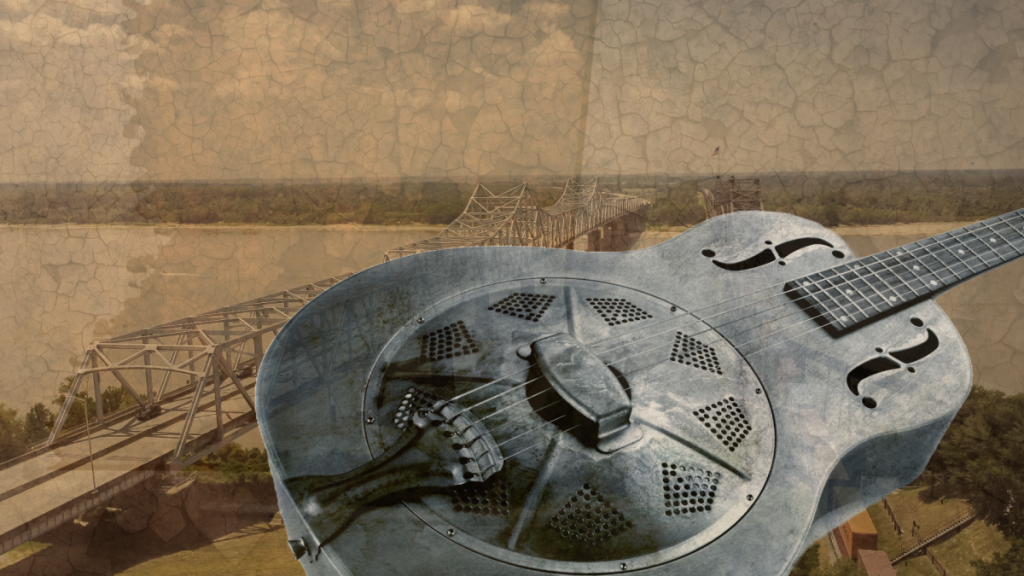
Origins of the Delta Blues
The blues emerged in the late 19th and early 20th centuries, a poignant reflection of the African American experience in the South. Rooted in African musical traditions, work songs, spirituals, and chants, the blues became a medium for expressing the joys, sorrows, and daily struggles of life.
In the Mississippi Delta, the blues was more than just a genre; it was a way of life. Sharecroppers would sing to the rhythm of their work, their voices echoing across the fields. These songs, infused with raw emotion and powerful narratives, laid the foundation for the Delta blues.
Key Figures and Pioneers
The Mississippi Delta, with its rich cultural tapestry, has given birth to a plethora of blues legends. These musicians, with their distinct styles and stories, have become the pillars of the Delta blues, influencing countless artists and shaping the trajectory of American music. Let’s delve deeper into the lives and legacies of some of these iconic figures:
Charley Patton: Born in 1891, Charley Patton is often hailed as the “Father of the Delta Blues.” Growing up on Dockery Plantation, a hub for aspiring musicians, Patton was exposed to a myriad of musical influences. His powerful, gravelly voice, combined with his innovative guitar techniques, made him a standout performer. Patton’s songs, like “Pony Blues” and “High Water Everywhere,” not only showcased his musical prowess but also painted vivid pictures of life in the Delta. His influence was far-reaching, mentoring other blues greats like Robert Johnson and Howlin’ Wolf.
Robert Johnson: Born in 1911 in Hazlehurst, Mississippi, Robert Johnson’s life was shrouded in mystery and legend. His unmatched guitar skills and haunting vocals gave rise to tales of him making a Faustian bargain at a crossroads, trading his soul for musical prowess. In his short life, Johnson recorded only 29 songs, but their impact was profound. Tracks like “Cross Road Blues” and “Love in Vain” are considered blues classics. Johnson’s style, a blend of raw emotion and technical brilliance, has inspired countless musicians, from Eric Clapton to The Rolling Stones. Despite his untimely death at age 27, Johnson’s legacy lives on, cementing his place as a titan of the blues.
Son House: Born Eddie James House Jr. in 1902, Son House was a force to be reckoned with in the world of Delta blues. His journey into music was unconventional; starting as a preacher, House had a tumultuous relationship with the blues, often viewing it as sinful. However, his passion for music was undeniable. His performances were charged with emotion, often moving audiences to tears. Songs like “Death Letter” and “Grinnin’ in Your Face” showcased House’s powerful vocals and evocative lyrics, making him a seminal figure in the Delta blues tradition. His influence extended to other blues legends, with Muddy Waters and Robert Johnson citing him as a major inspiration.
The Sound of the Delta
The Delta blues is characterized by its raw, emotive vocals and intricate guitar work. The use of slide guitar, often with a bottleneck or knife blade, creates the signature wailing sound synonymous with the blues. Harmonicas, fiddles, and pianos also found their way into the mix, adding depth and texture to the music.
Lyrically, the blues speaks of heartbreak, hardship, and hope. It tells stories of love lost and found, the harsh realities of life in the Jim Crow South, and the universal human experience.
Legacy and Influence
The Mississippi Delta blues laid the groundwork for various musical genres. Rock ‘n’ roll, jazz, R&B, and even hip-hop owe their origins to the blues. Icons like Elvis Presley, The Rolling Stones, and Eric Clapton have all drawn inspiration from the Delta blues, incorporating its elements into their music.
Moreover, the Delta blues has transcended borders, resonating with audiences worldwide. Its universal themes and timeless melodies have made it a global phenomenon, celebrated and revered by music enthusiasts everywhere.
Conclusion
The Mississippi Delta is not just a geographical region; it’s the cradle of a musical revolution. The blues, with its deep roots in the Delta, has become a symbol of American culture, a testament to the resilience, creativity, and spirit of the people who called the Delta home. As the birthplace of America’s music, the Mississippi Delta’s legacy is eternal, echoing in the soulful strains of the blues that continue to inspire and captivate.
Read more: Clinton Blues Trail marker unveiled
Read more: Jarekus Singleton puts his own stamp on the blues
Read more: Plumpp’s poetry reflects a love of the Blues