What to Expect During Your Child’s Crown Procedure
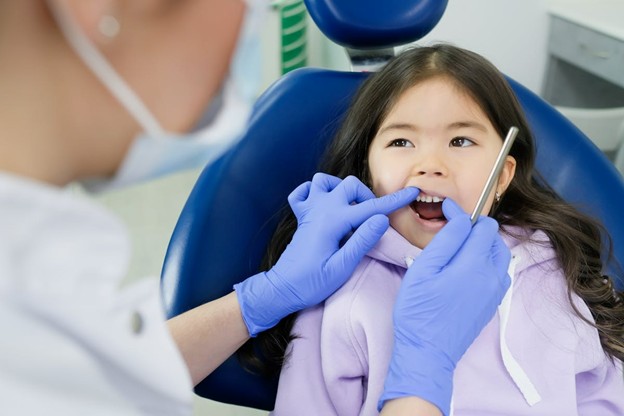
When your pediatric dentist recommends a crown for your child’s tooth, the conversation often shifts quickly from “why” to “what happens next” — leaving many parents with only a vague understanding of what their child will actually experience. According to the American Academy of Pediatric Dentistry’s 2024 clinical guidelines, dental crowns are now the standard treatment for extensively decayed primary teeth, representing a shift from the “wait and see” approaches of previous decades. This change reflects mounting evidence that preserving baby teeth through crown placement significantly impacts the proper development of permanent teeth and jaw alignment.
For families facing this decision, the procedure itself can feel mysterious. Unlike adult crowns that require multiple visits and temporary fittings, pediatric crown placement typically happens in a single appointment using pre-formed crowns designed specifically for children’s teeth. Understanding the step-by-step process, from anesthesia options to the fitting challenges unique to young patients, helps parents prepare their child and set realistic expectations for both the procedure day and the recovery period that follows.
How Is a Child Dental Crown Procedure Carried Out?
The crown placement process for children differs significantly from adult procedures, primarily because pediatric dentists work with smaller mouths, shorter attention spans, and the unique anatomy of primary teeth. Most procedures begin with a thorough examination and X-rays to assess the extent of damage and confirm that the tooth’s root structure remains healthy enough to support a crown.
Preparing and Fitting the Crown
Once anesthesia takes effect, the dentist removes any decay and shapes the tooth to accommodate the crown. This preparation requires removing more tooth structure than a typical filling, which often surprises parents who expect a less invasive procedure. For primary teeth, the preparation must account for the crown’s thickness while ensuring enough healthy tooth structure remains for proper retention.
The fitting process presents unique challenges with children. Pre-formed crowns come in limited sizes, and the dentist must select the best fit from available options rather than creating a custom restoration. This means some trial-and-error as different crown sizes are tested for proper fit along the gum line and bite alignment. Children may feel pressure during this fitting process, even with adequate anesthesia, as the crown is shaped and adjusted to match the surrounding teeth.
Most pediatric dentists use stainless steel crowns for back teeth due to their durability and ease of placement. The crown is filled with dental cement and pressed onto the prepared tooth, with excess cement carefully removed from around the gum line. The entire process typically takes 30-45 minutes, though this can extend if the child needs breaks or if multiple crowns are being placed.
Anesthesia and Sedation Options for Children
Local anesthesia remains the standard for crown procedures, but pediatric practices increasingly offer additional comfort measures. Topical numbing gel applied before the injection helps reduce the initial pinch, while some offices use vibrating devices or distraction techniques during anesthetic administration. The key difference in pediatric anesthesia is the need to ensure complete numbness without causing the child to accidentally bite their lip or cheek afterward.
For anxious children or complex cases requiring multiple crowns, sedation options include nitrous oxide (laughing gas) or oral conscious sedation. Nitrous oxide provides relaxation while allowing the child to remain responsive, making it ideal for moderately anxious patients. Oral sedation involves medication given before the appointment, creating a drowsy but cooperative state. The choice depends on the child’s anxiety level, the complexity of the procedure, and the family’s comfort with different sedation approaches.
What Types of Crowns Are Used for Children?
The crown material selection for children balances durability, aesthetics, and cost considerations differently than adult restorations. Unlike permanent teeth that need to last decades, primary tooth crowns only need to function until the natural tooth falls out — typically 3-8 years depending on the child’s age.
Stainless Steel and Zirconia Crowns
Stainless steel crowns dominate pediatric dentistry for posterior teeth due to their proven durability and straightforward placement. These pre-formed crowns resist fracture under the significant chewing forces that children generate, particularly those who grind their teeth at night. Their silver appearance concerns some parents, but their location on back teeth makes them largely invisible during normal smiling and talking.
Zirconia crowns offer a tooth-colored alternative that’s gained popularity as manufacturing improvements have reduced costs. These ceramic crowns provide excellent aesthetics while maintaining strength comparable to stainless steel. However, zirconia crowns require more precise fitting and cannot be easily adjusted chairside, sometimes necessitating longer appointments or additional visits if the initial fit isn’t optimal. Their white color better matches natural teeth, making them particularly appealing for crowns on front teeth or when children express concerns about silver crowns.
Composite and Other Esthetic Crowns
Composite strip crowns represent the most aesthetic option for front teeth, using a clear plastic form filled with tooth-colored composite material. These crowns are built directly on the prepared tooth, allowing for excellent color matching and natural appearance. However, they’re more technique-sensitive and prone to chipping or staining compared to metal alternatives.
Polycarbonate crowns provide a middle ground between aesthetics and durability. These pre-formed white crowns offer better appearance than stainless steel while being more durable than composite options. Some versions come with stainless steel reinforcement in high-stress areas, combining the benefits of both materials. For parents seeking reliable kids dental crowns in Las Vegas, understanding these material options helps in discussions with pediatric specialists about which choice best fits their child’s specific situation and aesthetic concerns.
What Care Is Needed After a Child Dental Crown Is Placed?
Post-procedure care for children requires different strategies than adult crown aftercare, primarily because children may not recognize or articulate discomfort accurately. The first 24-48 hours prove critical for establishing good healing patterns and preventing complications that could compromise the crown’s success.
Pain management typically involves over-the-counter children’s pain relievers, with most children experiencing mild to moderate discomfort rather than severe pain. Parents should watch for signs that the child is avoiding chewing on the crowned side or complaining of ongoing sensitivity to hot or cold foods. Unlike adult crowns, children’s crowns rarely cause significant post-operative pain, but some soreness around the gum line is normal as tissues adjust to the new restoration.
Dietary modifications during the first week help prevent crown dislodgement while tissues heal. Avoid sticky foods like caramels or taffy that could pull the crown loose, and temporarily limit very hard foods like ice or hard candies. Many pediatric dentists recommend soft foods for the first day, then gradually returning to normal diet as the child becomes comfortable chewing on the crowned tooth.
Oral hygiene continues as normal, but parents may need to supervise brushing more closely initially. The gum line around a new crown can be slightly tender, making thorough cleaning challenging for young children. Gentle brushing with a soft-bristled toothbrush prevents plaque buildup that could lead to gum inflammation. Flossing remains important, though parents should be gentle around the crown margins where the gum tissue may still be healing from the procedure.
What Complications Can Arise and How Are They Prevented?
Crown dislodgement ranks as the most common complication, particularly in the first few weeks after placement. Unlike adult crowns that are permanently cemented, children’s crowns occasionally come loose due to the challenges of achieving perfect retention on small, oddly-shaped primary teeth. This typically occurs when children chew on inappropriate objects or eat particularly sticky foods before the cement fully sets.
Prevention focuses on educating children about avoiding hard or sticky foods and discouraging habits like chewing on pencils or ice. Most dislodged crowns can be re-cemented if brought to the dental office promptly, though repeated loosening might require crown replacement or alternative treatment approaches.
Gum inflammation around crown margins can develop if oral hygiene becomes inadequate or if the crown margin sits too deep below the gum line. Early signs include redness, swelling, or bleeding around the crown’s base. Regular dental checkups help identify these issues before they progress to more serious infections.
Bite alignment problems occasionally occur when crown height isn’t perfectly adjusted to match the child’s bite. Children may complain that their teeth don’t feel right when biting down, or parents might notice the child favoring one side when chewing. Early intervention through bite adjustment prevents more complex orthodontic issues from developing as the child’s bite compensates for the irregular contact.
The key to preventing complications lies in maintaining excellent oral hygiene, following dietary guidelines, and scheduling regular follow-up visits. Most crowned teeth in children function successfully until natural exfoliation, providing years of comfortable chewing while protecting the underlying tooth structure from further decay.
Most parents find that their child adapts quickly to the crowned tooth, often forgetting about the procedure within days. The success of pediatric crown placement largely depends on the partnership between dental professionals, parents, and the child in maintaining proper care — setting the foundation for healthy oral development as permanent teeth begin their emergence.