Why Early Dental Visits Matter for Children’s Oral Health
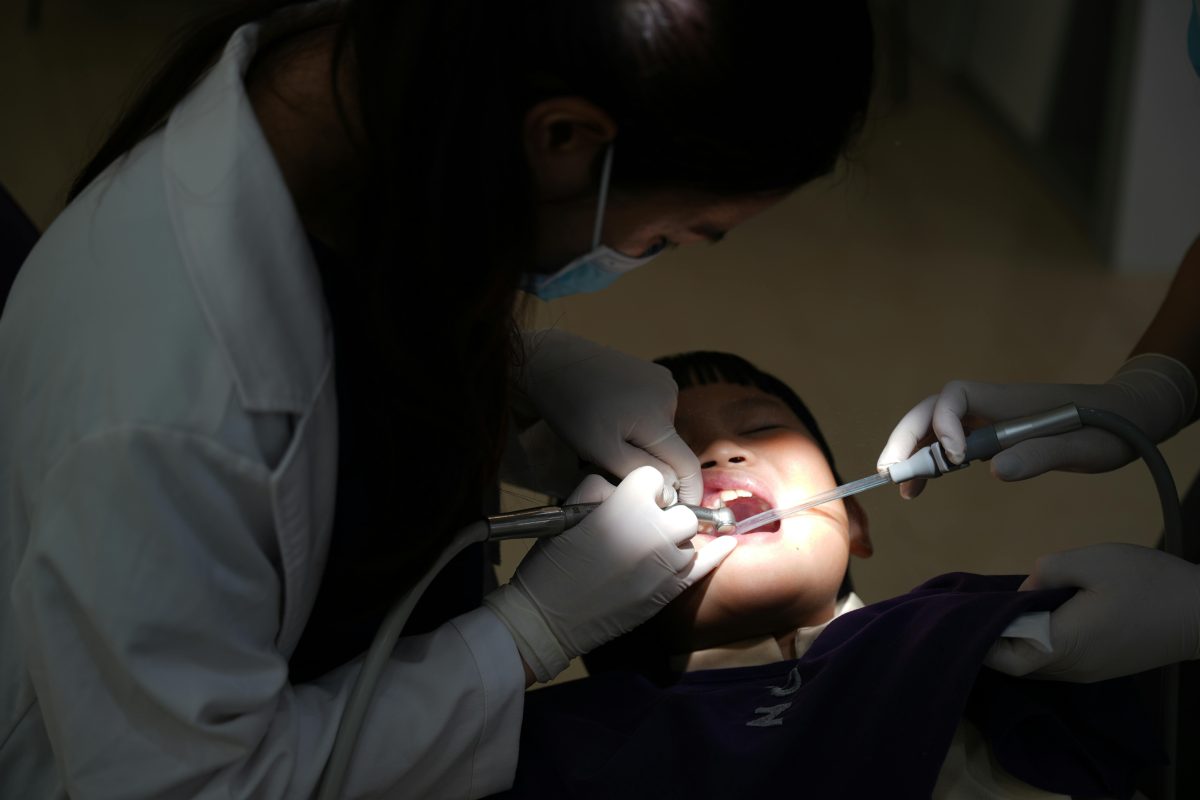
According to the American Academy of Pediatric Dentistry’s 2024 guidelines, tooth decay remains the most common chronic disease in children — more prevalent than asthma — affecting over 40% of children aged 2-11. Yet many families still wait until a problem surfaces before scheduling that first dental visit, missing the crucial window when prevention is most effective. As pediatric dentistry has evolved to emphasize early intervention over reactive treatment, the gap between what research shows works and what families actually do continues to widen.
The stakes extend far beyond avoiding cavities. Children who establish positive dental experiences early show dramatically better oral health outcomes throughout their lives, while those who delay care often develop patterns of dental avoidance that persist into adulthood. For parents navigating decisions about their child’s health during those critical early years, understanding why timing matters — and what early dental care actually accomplishes — shapes everything from their child’s immediate comfort to their long-term relationship with oral health.
The evidence points to a clear window of opportunity that many families unknowingly miss.
Why Early Dental Visits Are Crucial for Children’s Oral Health
The first few years of a child’s life represent a unique period when the foundation for lifelong oral health is established. During this time, primary teeth are erupting, eating habits are forming, and the oral microbiome is developing — all processes that benefit tremendously from professional guidance and early intervention.
Most parents don’t realize that tooth decay can begin as soon as the first tooth appears, typically around six months of age. The bacteria that cause cavities aren’t naturally present in a baby’s mouth — they’re introduced through contact with caregivers’ saliva, often through shared utensils or when parents clean pacifiers with their own mouth. Once these bacteria establish themselves, they begin producing acid that attacks tooth enamel, particularly when children consume sugary drinks or frequent snacks throughout the day.
Early dental visits serve a dual purpose: they establish a baseline for the child’s oral development and create opportunities for parents to receive individualized guidance about prevention strategies. Unlike the reactive approach many adults experienced in their own childhood, modern pediatric dentistry focuses on identifying risk factors and implementing protective measures before problems develop.
Consider a typical scenario: parents might notice their toddler’s teeth look fine and assume everything is healthy, not realizing that early decay often appears as white spots or subtle changes in tooth color that are easy to miss. By the time decay becomes visually obvious, it has already progressed significantly and may require more invasive treatment. Early dental visits catch these changes in their earliest stages, when they can often be reversed through improved hygiene and fluoride application rather than fillings.
This preventive approach becomes even more critical as children develop their permanent teeth. The habits, attitudes, and oral health status established during the primary tooth years directly influence what happens when adult teeth begin to appear around age six.
How Early Pediatric Dental Care Prevents Childhood Tooth Decay
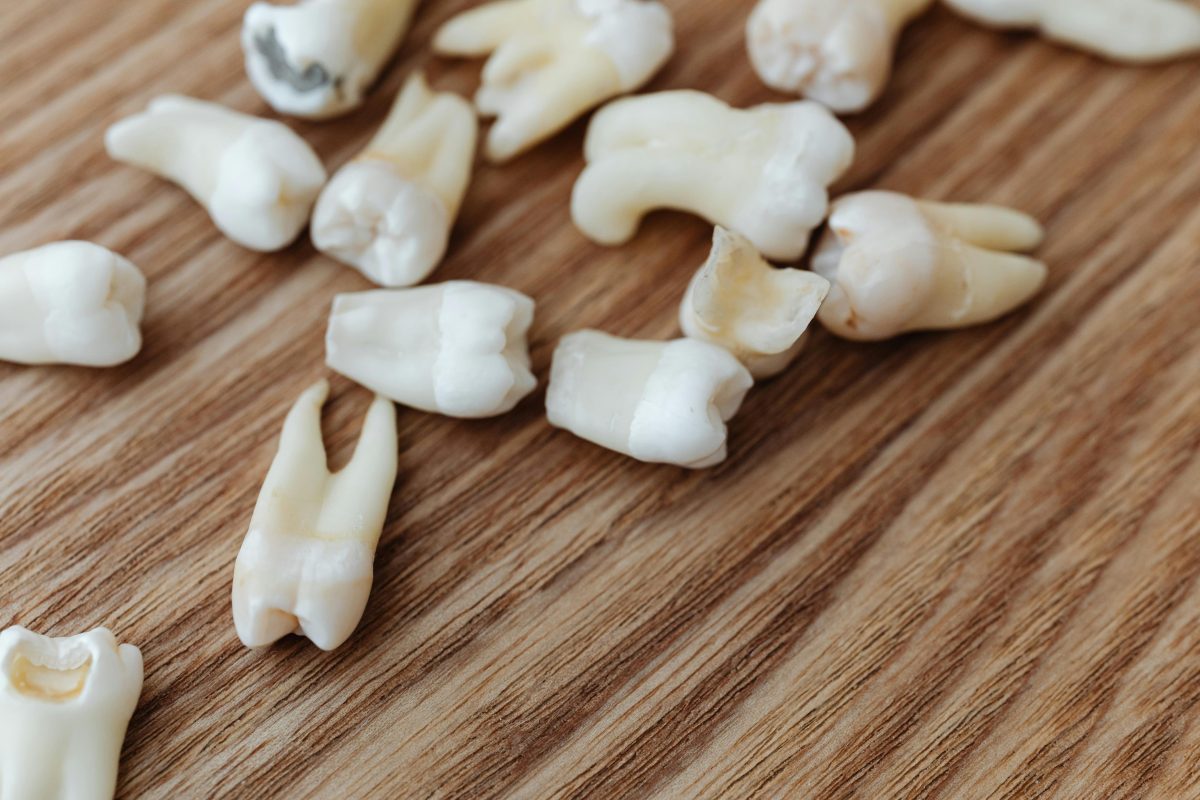
Pediatric dental care operates on the principle that prevention is exponentially more effective than treatment, particularly during the early years when children’s teeth are most vulnerable to decay. The approach combines professional interventions with parent education to create a comprehensive shield against the factors that lead to cavities.
The prevention strategy begins with understanding how decay develops in young children. Primary teeth have thinner enamel than adult teeth, making them more susceptible to acid attacks from bacteria. When children consume foods or drinks containing sugars — including seemingly healthy options like fruit juices or crackers — bacteria in their mouth convert these sugars into acid within minutes. Without proper cleaning, this acid sits on teeth for hours, gradually dissolving the mineral structure of enamel.
Professional cleaning during early visits removes bacterial buildup that even careful home brushing can miss. Pediatric dentists use age-appropriate techniques and tools designed for small mouths, reaching areas where plaque typically accumulates. More importantly, these visits allow dentists to identify specific risk factors for each child — whether it’s mouth breathing that reduces protective saliva flow, crowded teeth that trap food particles, or dietary habits that create frequent acid exposure.
The education component proves equally valuable. Many parents receive conflicting advice about children’s oral care, from well-meaning relatives who suggest that baby teeth “don’t matter” to social media influencers promoting unproven remedies. Pediatric dentists provide evidence-based guidance tailored to each child’s developmental stage and specific needs, helping parents understand everything from proper brushing techniques for different ages to which snacks actually support dental health.
Fluoride Treatments and Their Safety
Fluoride application represents one of the most researched and effective tools in preventing childhood tooth decay, yet many parents remain uncertain about its safety and necessity. Professional fluoride treatments work by remineralizing tooth enamel — essentially reversing the early stages of decay and making teeth more resistant to future acid attacks.
During early dental visits, pediatric dentists apply fluoride varnish, a concentrated form that adheres to teeth and releases fluoride slowly over several hours. This treatment is particularly effective for young children because it can be painted on quickly, even if the child is uncooperative, and doesn’t require rinsing or spitting. The varnish hardens on contact with saliva, making it safe even if small amounts are swallowed.
Research from the Cochrane Collaboration shows that fluoride varnish applications every three to six months can reduce cavities in primary teeth by 37%. For children at higher risk of decay — those with frequent snacking habits, limited access to fluoridated water, or special healthcare needs — these treatments provide crucial protection during the most vulnerable period of tooth development.
Safety concerns about fluoride typically stem from misunderstandings about dosage and application methods. The amount of fluoride used in professional treatments is carefully calculated based on the child’s age and weight, and the varnish formulation prevents significant ingestion. This controlled approach differs significantly from daily-use fluoride products, where proper dosing depends on parent supervision and child cooperation.
Managing Dental Anxiety to Create Child-Friendly Experiences
The way children experience their first dental visits often determines their attitude toward oral healthcare for decades. Pediatric dentists understand that creating positive associations with dental care requires more than just gentle technique — it demands a fundamentally different approach that acknowledges children’s developmental needs and common fears.
Modern pediatric dental offices are designed with children’s psychological comfort in mind. This goes beyond colorful decorations to include practical elements like child-sized equipment, open treatment areas that allow parents to stay close, and scheduling that avoids long waits. Many practices use “show, tell, do” techniques, where dentists demonstrate procedures on stuffed animals or models before touching the child, giving young patients a sense of control and predictability.
The timing of explanations matters enormously. Rather than describing procedures in advance — which can increase anxiety — skilled pediatric dentists provide simple, age-appropriate explanations in the moment, using positive language that focuses on what they’re helping rather than what they’re fixing. For instance, instead of saying “This won’t hurt,” which introduces the concept of pain, they might say “We’re going to count your teeth to make sure they’re all growing strong.”
Sedation options have evolved to support children who experience significant anxiety despite these behavioral management techniques. Unlike the deep sedation often associated with adult dental procedures, pediatric dentistry typically uses mild sedation that helps children relax while remaining awake and responsive. Nitrous oxide (laughing gas) remains popular because it works quickly, wears off rapidly, and allows children to participate in their care while feeling calm.
The goal isn’t to eliminate all discomfort — some procedures involve sensations that children will naturally find unusual — but to ensure that these experiences don’t create lasting fear. Children who learn early that dental visits are manageable, predictable events are far more likely to maintain regular care throughout their lives, preventing the cycle of avoidance that leads to more complex problems requiring more invasive treatment.
Role of Nutrition and Oral Hygiene in Supporting Dental Health
The foundation of children’s oral health extends far beyond the dental office, resting primarily on daily choices about food, drinks, and hygiene routines that parents guide during the early years. Understanding how these elements interact with professional care helps families maximize the benefits of early dental visits while building sustainable habits.
Nutrition’s impact on children’s teeth begins before birth, as maternal diet during pregnancy influences the development of tooth enamel. Once children begin eating solid foods, the frequency of eating often matters more than the specific foods consumed. Each time a child eats or drinks anything other than water, bacteria in their mouth produce acid for about 20-30 minutes. Children who snack continuously throughout the day essentially bathe their teeth in acid, creating ideal conditions for decay regardless of whether the snacks themselves are considered healthy.
The timing and method of cleaning teeth becomes critical during these early years. Many parents struggle with brushing resistance from toddlers, leading to inconsistent or ineffective cleaning. Pediatric dentists help families develop realistic routines that actually remove plaque rather than simply going through the motions. For very young children, this often means parents doing most of the brushing while gradually teaching the child to participate.
Fluoride toothpaste presents another area where professional guidance proves valuable. While fluoride strengthens teeth, young children who swallow too much fluoride during tooth development can develop fluorosis — white or brown spots on permanent teeth. The American Dental Association recommends a smear of fluoride toothpaste for children under three and a pea-sized amount for children three to six, but many parents use adult-sized portions or skip fluoride entirely due to safety concerns.
Working with a trusted pediatric dentist in the Bay Area helps families navigate these decisions with confidence, ensuring that home care complements rather than conflicts with professional treatments. The integration of proper nutrition, effective hygiene, and regular professional care creates a comprehensive approach that addresses all the factors contributing to childhood dental problems.
Typical Dental Checkup Timeline Parents Should Expect
The timing of children’s dental visits follows a developmental pattern designed to align with the emergence of teeth and the evolution of a child’s ability to cooperate with care. Understanding this timeline helps parents prepare appropriately and recognize what constitutes normal progression versus concerning delays.
The American Academy of Pediatric Dentistry recommends the first visit by age one or within six months of the first tooth’s appearance, whichever comes first. This initial visit focuses primarily on parent education and gentle examination rather than extensive cleaning or treatment. Dentists assess the child’s oral development, discuss feeding practices that support dental health, and address any concerns about thumb sucking, pacifier use, or emerging teeth.
Between ages two and three, visits typically occur every six months and begin to include more active participation from the child. Dentists introduce the concept of “tooth counting” and may begin gentle polishing if the child tolerates it well. This period often represents the sweet spot for establishing positive associations, as children are old enough to understand simple explanations but young enough to accept new experiences without significant resistance.
The transition around age six marks a critical period when permanent molars begin to erupt. These visits become more comprehensive, often including X-rays to monitor the development of adult teeth and discussions about sealants for the newly emerged molars. Many children also begin to take more responsibility for their own oral care during this stage, though parental supervision remains essential.
As children enter their school years, checkups expand to include orthodontic screening and more detailed discussions about diet, particularly regarding sports drinks and frequent snacking. The frequency may increase to every four months for children at higher risk of decay or those undergoing orthodontic treatment.
This progression isn’t rigid — children develop at different rates, and family circumstances vary. The key is maintaining consistent professional monitoring during periods of rapid change, ensuring that emerging problems are caught early when treatment options remain conservative and successful outcomes are most likely. Early establishment of this timeline creates a framework for lifelong oral health that extends far beyond the childhood years.