Is Dental Bonding Right for Your Smile?
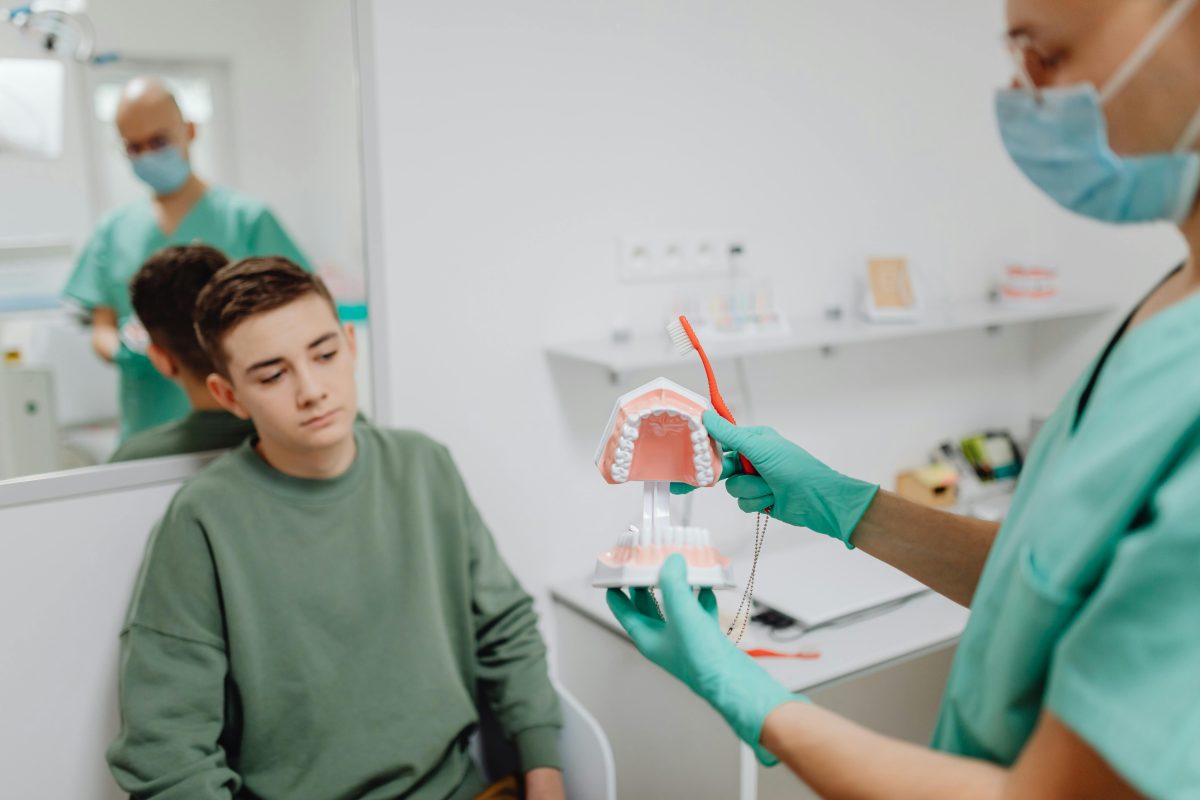
According to the American Dental Association’s 2023 practice survey, dental bonding has become the most frequently performed cosmetic dental procedure, with over 2.3 million applications annually — yet many patients remain unclear about when it’s the optimal choice versus alternatives like veneers or crowns. As dental technology continues advancing and materials improve, bonding now offers solutions for problems that once required more invasive treatments. The decision often comes down to understanding not just what bonding can accomplish, but when it makes the most sense for your specific situation and long-term oral health goals. For anyone considering cosmetic dental work or facing minor tooth damage, grasping the mechanics and realistic outcomes of bonding can guide you toward the most effective treatment path.
How Does the Dental Bonding Procedure Work Step-by-Step?
Dental bonding relies on a fundamental principle of adhesion chemistry — composite resin materials that chemically bond to tooth enamel at the molecular level, creating a connection stronger than simple mechanical attachment. This process transforms damaged or aesthetically compromised teeth without removing healthy tooth structure, making it remarkably conservative compared to other restorative options and an important component of smile makeover services for patients seeking comprehensive aesthetic improvements.
The procedure typically unfolds in a single appointment lasting 30 to 90 minutes, depending on how many teeth require treatment. Your dentist begins by evaluating the tooth surface and selecting a composite resin shade that matches your natural enamel. Unlike veneers or crowns, bonding requires minimal tooth preparation — often no drilling or anesthesia unless the procedure addresses decay.
Surface preparation involves etching the tooth with a mild phosphoric acid solution, creating microscopic pores that allow the bonding agent to penetrate the enamel. This etching process typically takes 15-30 seconds and creates the mechanical foundation for long-term adhesion. After thorough rinsing and drying, your dentist applies a liquid bonding agent that flows into those microscopic spaces and hardens when exposed to a specialized curing light.
The resin application happens in carefully controlled layers. Your dentist sculpts each layer to rebuild the tooth’s natural contours, whether filling a chip, closing a gap, or reshaping an uneven surface. Between each layer, a high-intensity LED light cures the material, transforming it from a moldable paste into a hardened surface in about 20 seconds. This layered approach prevents shrinkage and ensures optimal strength.
Final shaping and polishing complete the transformation. Your dentist uses fine diamond instruments and polishing discs to refine the bonded surface until it seamlessly blends with surrounding teeth. The entire process preserves maximum healthy tooth structure while delivering immediate aesthetic results — a balance that explains bonding’s growing popularity among both patients and practitioners.
What Are the Benefits and Practical Advantages of Dental Bonding?
The appeal of dental bonding extends far beyond its technical elegance, addressing both cosmetic concerns and functional tooth restoration in ways that resonate with modern dental practice. Understanding these advantages helps explain why bonding has evolved from a temporary fix to a primary treatment option for many dental concerns.
How Does Dental Bonding Improve Smile Appearance?
Bonding excels at correcting the subtle imperfections that significantly impact smile aesthetics. Chipped teeth — whether from sports injuries, accidents, or simple wear — respond particularly well to bonding, with dentists able to rebuild natural tooth contours that blend invisibly with surrounding enamel. The procedure also addresses gaps between teeth (diastemas) by adding material to tooth edges, creating the appearance of properly spaced teeth without orthodontic intervention.
Discoloration and staining that resist whitening treatments often yield to bonding, especially when the discoloration affects only portions of a tooth’s surface. Unlike whitening, which works systemically, bonding can target specific stained areas while preserving the natural color of unaffected enamel. Minor alignment irregularities — teeth that appear slightly rotated or uneven in length — can be visually corrected through strategic bonding placement, creating the illusion of straighter teeth without the time and expense of orthodontic treatment.
The color-matching capabilities of modern composite resins have reached impressive levels of sophistication, with some systems offering over 30 shade variations and the ability to layer different opacities for natural-looking depth. This precision allows skilled dentists to create restorations that remain undetectable even under close inspection.
Why Is Dental Bonding Considered a Minimally Invasive Option?
Unlike crowns or veneers, which require removing significant amounts of healthy tooth structure, bonding typically preserves the entire natural tooth. This conservation approach maintains long-term tooth strength and avoids the sensitivity issues that sometimes follow more aggressive preparations. The reversible nature of bonding also provides flexibility — if circumstances change or better options emerge, the composite material can be removed without permanent damage to the underlying tooth.
The single-appointment timeline eliminates the temporary restorations and multiple visits required for laboratory-fabricated alternatives. Patients leave with completed results rather than waiting weeks for final restorations, making bonding particularly appealing for addressing immediate concerns like chipped front teeth or upcoming social events. Most procedures require no anesthesia, and post-treatment sensitivity is minimal compared to more invasive alternatives.
This conservative approach aligns with contemporary dentistry’s focus on preservation, maintaining maximum natural tooth structure while delivering meaningful aesthetic and functional improvements.
When Is Dental Bonding the Best Choice Compared to Other Treatments?

Image by Michal Jarmoluk from Pixabay
The decision between bonding and alternatives like veneers, crowns, or even comprehensive smile makeover services depends heavily on the specific problem being addressed, your long-term expectations, and practical considerations like budget and timeline. Understanding these decision points prevents the disappointment that comes from choosing a treatment approach misaligned with your goals.
Dental bonding works optimally for minor to moderate cosmetic concerns on teeth with fundamentally sound structure. Small chips, surface cracks, gaps smaller than 3mm, and localized discoloration represent bonding’s sweet spot. The procedure also excels for functional repairs like worn tooth edges or minor cavity restoration, particularly when preserving tooth structure takes priority over maximum longevity.
Budget-conscious patients often find bonding attractive, as the cost typically runs one-third to one-half that of porcelain veneers or crowns. The immediate results and single-appointment completion make it practical for addressing urgent cosmetic needs without extended treatment timelines.
However, certain scenarios clearly favor alternative treatments. Extensive damage — large chips, multiple surface defects, or significant structural compromise — often requires the comprehensive coverage that crowns provide. Teeth with existing large fillings or previous root canal treatment typically need the structural support that bonded restorations cannot provide.
What Are the Limitations and When Might Bonding Not Be Suitable?
Durability constraints represent bonding’s primary limitation. Composite resin, while strong, lacks the fracture resistance of porcelain or the structural integrity of full-coverage crowns. Patients with heavy bite forces, grinding habits (bruxism), or a tendency to chew on hard objects may experience premature bonding failure. The material also shows gradual wear and staining over time, typically requiring replacement or refreshing every 5-8 years under normal conditions.
Extensive color changes or severely misshapen teeth often exceed bonding’s corrective capabilities. While minor adjustments work well, attempting to dramatically alter tooth proportions or mask severe discoloration can result in unnatural-looking, bulky restorations that compromise both aesthetics and function.
How Does Dental Bonding Compare to Veneers and Crowns?
Porcelain veneers offer superior stain resistance and longevity (typically 10-15 years versus 5-8 for bonding) but require removing a thin layer of enamel and involve laboratory fabrication time. Veneers excel for comprehensive smile makeovers involving multiple front teeth or cases requiring significant color or shape changes.
Crowns provide maximum protection and durability but necessitate substantial tooth reduction and higher costs. They represent the best choice for teeth with large existing restorations, previous endodontic treatment, or extensive structural damage that bonding cannot adequately address.
The key insight: bonding shines as a conservative first-line treatment that preserves future options while delivering meaningful improvements for appropriately selected cases.
How Durable Is Dental Bonding and What Care Does It Require?
Research from the Journal of Prosthetic Dentistry indicates that composite bonding restorations maintain clinically acceptable performance for an average of 7-10 years when properly maintained, though this varies significantly based on location in the mouth, patient habits, and the specific problem being addressed. Front teeth bonding typically lasts longer than bonding on molars, which endure greater bite forces and more challenging cleaning access.
Factors influencing longevity include bite alignment, grinding habits, diet, and oral hygiene practices. Patients who avoid hard foods, don’t use their teeth as tools, and maintain excellent oral hygiene often see bonding last toward the upper end of the expected range. Conversely, those with untreated bruxism or habits like ice chewing may experience failure within 2-3 years.
The maintenance requirements for bonded teeth align closely with general oral health practices, with some specific considerations. Regular brushing and flossing remain essential, though the junction between bonding material and natural tooth requires particular attention to prevent plaque accumulation that could lead to decay or gum irritation. Professional cleanings every six months help maintain the polish and surface integrity of the composite material.
Dietary considerations play a meaningful role in bonding longevity. While composite resin resists most staining better than natural teeth, certain substances — particularly coffee, tea, red wine, and tobacco — can gradually discolor bonding material. Unlike natural teeth, bonded areas don’t respond to whitening treatments, potentially creating color mismatches if the surrounding teeth are whitened later.
Professional maintenance may include periodic polishing to restore surface smoothness and luster, minor repairs for small chips or worn areas, and eventual replacement when the restoration reaches the end of its functional life. Many dental practices offer maintenance programs specifically designed to optimize the longevity of cosmetic restorations like bonding.
The key to maximizing bonding durability lies in understanding its limitations while maintaining realistic expectations about its lifespan and performance characteristics.
What Advances in Dental Bonding Materials Improve Treatment Today?
Modern composite resin technology has evolved dramatically from the early materials of the 1960s, with recent innovations focusing on enhanced strength, improved aesthetics, and better long-term stability. Nanotechnology has revolutionized bonding materials, with nano-filled composites incorporating particles measuring 20-75 nanometers that create smoother surfaces, better polish retention, and increased wear resistance compared to traditional formulations.
Adhesive system improvements represent another significant advancement. Modern bonding agents use sophisticated chemistry that creates stronger, more durable bonds to both enamel and dentin. Self-etching primers simplify the bonding process while reducing technique sensitivity, leading to more predictable outcomes even in challenging clinical situations.
Light-curing technology has advanced from simple halogen lights to sophisticated LED systems that cure materials more completely and efficiently. These improvements reduce the risk of incomplete polymerization, which historically led to premature failure and increased staining susceptibility. Some newer systems use multiple wavelengths to optimize curing of different composite formulations.
Bioactive materials represent an emerging frontier in bonding technology. These advanced composites release fluoride and other beneficial ions over time, potentially helping prevent decay around restoration margins while maintaining the aesthetic and functional properties patients expect.
The integration of digital shade matching and computer-assisted color analysis has enhanced the precision of composite selection, reducing the guesswork involved in achieving optimal aesthetic results. Some practices now use spectrophotometers that analyze tooth color in multiple dimensions, ensuring more accurate shade matching than visual assessment alone.
These technological advances collectively extend bonding’s clinical applications while improving patient satisfaction and long-term outcomes. As materials continue evolving, the boundary between bonding and more complex restorative options continues shifting, expanding the range of problems that conservative bonding approaches can effectively address.
The continuing evolution of bonding technology suggests even greater possibilities ahead — materials that self-repair minor damage, change color to match surrounding teeth over time, or provide enhanced antibacterial properties. For patients considering cosmetic dental treatment today, these advances mean more durable, natural-looking results than ever before possible with minimally invasive techniques.