Benefits Clear Aligner Treatment Offers Compared to Braces
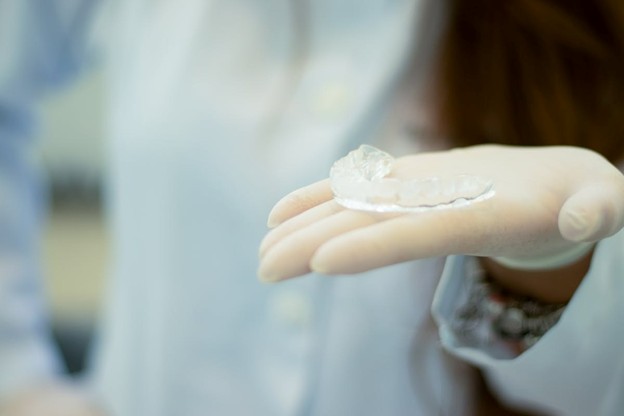
The American Association of Orthodontists reports that over 4 million people in North America are currently undergoing orthodontic treatment, with clear aligners now representing nearly 40% of all new cases in 2024. This dramatic shift reflects more than just aesthetic preferences — it signals a fundamental change in how both patients and practitioners approach tooth movement. As digital dentistry advances and aligner technology becomes increasingly sophisticated, the gap between traditional metal braces and clear aligners continues to widen in favor of the more discreet option.
For adults who delayed orthodontic treatment and teenagers seeking alternatives to conventional braces, understanding these benefits isn’t just about appearance. It’s about treatment efficiency, oral health maintenance, and long-term outcomes. The decision between aligners and braces now involves considerations that extend far beyond the initial consultation, affecting everything from daily routines to professional interactions.
What follows is an evidence-based exploration of how clear aligners work, what clinical research reveals about their effectiveness, and where this technology is headed. Rather than surface-level comparisons, we’ll examine the biomechanics, address common misconceptions, and look at emerging innovations that promise even more precise and comfortable treatment.
How Do Clear Aligners Move Teeth with Advanced Technology?
The science behind clear aligners relies on controlled biomechanical forces applied through thermoplastic materials engineered for optimal tooth movement. Unlike braces, which use brackets and wires to create continuous pressure, aligners work through a series of precise, incremental movements programmed into each successive tray. The process begins with 3D digital scanning that captures every contour of a patient’s teeth and bite relationship, creating a virtual model accurate to within 0.1 millimeters.
This digital foundation enables orthodontists to map the entire treatment journey before the first aligner is even manufactured. Advanced software calculates the optimal force vectors needed to move each tooth, determining not just the direction of movement but the precise timing and sequence. Each aligner in the series represents approximately 0.25 millimeters of movement — small enough to avoid the discomfort associated with traditional adjustments but sufficient to achieve predictable results over time.
The manufacturing process itself represents a marriage of digital precision and materials science. Modern aligners are created using medical-grade polyurethane that maintains consistent elasticity throughout the wear period while resisting staining and odor absorption. Computer-controlled thermoforming ensures that each aligner delivers exactly the right amount of pressure to specific teeth while allowing others to remain stable. This level of customization simply isn’t possible with the one-size-fits-all approach of traditional wire and bracket systems.
What makes this technology particularly effective is its ability to incorporate complex movements that would require multiple appointments with conventional braces. Rotations, intrusions, and even some extractions can be planned digitally and executed through the aligner sequence, often reducing total treatment time and the number of office visits required.
What Distinguishes Clear Aligners from Traditional Braces?
How Clear Aligners Improve Appearance and Comfort
The aesthetic advantage of clear aligners extends beyond simple visibility. Made from transparent thermoplastic materials, quality aligners become virtually invisible when worn, allowing patients to maintain their natural smile throughout treatment. This discretion proves particularly valuable for adults in professional settings where traditional metal braces might impact first impressions or undermine authority.
Comfort represents another significant departure from conventional orthodontics. Traditional braces create pressure points where brackets contact the inner lips and cheeks, often requiring dental wax to prevent irritation. The smooth, custom-contoured surface of aligners eliminates these friction points entirely. Patients typically experience mild pressure for the first day or two with each new aligner, but this discomfort is generally less intense than the soreness that follows traditional bracket adjustments.
The removable nature of aligners also transforms the eating experience during treatment. While braces patients must avoid hard, sticky, or crunchy foods that could damage brackets or become trapped in wires, aligner patients simply remove their trays before meals. This freedom not only expands dietary options but also reduces the social awkwardness that can accompany eating with traditional appliances.
How Aligners Support Better Oral Hygiene and Faster Treatment
Maintaining oral health during orthodontic treatment becomes dramatically easier with removable aligners. Traditional braces create numerous spaces where food particles and bacteria can accumulate, requiring specialized brushing techniques and interdental cleaning tools. Many patients struggle with these requirements, leading to increased cavity risk and gum inflammation during treatment.
Clear aligners eliminate these hygiene challenges entirely. Patients maintain their normal brushing and flossing routine, simply cleaning their aligners separately with lukewarm water and gentle soap. This simplicity translates into better compliance and healthier outcomes. Research indicates that patients undergoing invisalign aligner treatment show significantly lower rates of plaque accumulation and gingival inflammation compared to those wearing traditional braces.
Treatment duration often favors aligners as well, particularly for mild to moderate cases. While complex movements may still require traditional approaches, many patients complete aligner treatment in 12-18 months compared to 18-24 months with braces. The precise control possible with digital planning means fewer mid-course corrections and more predictable timelines. Additionally, the reduced need for emergency appointments — no broken brackets or protruding wires — keeps treatment on schedule.
What Does Clinical Research Say about Clear Aligner Effectiveness?
Multiple peer-reviewed studies published in the Journal of Clinical Orthodontics and the American Journal of Orthodontics have demonstrated that clear aligners achieve comparable results to traditional braces for a wide range of malocclusions. A 2023 systematic review analyzing outcomes from over 2,000 patients found that aligners successfully corrected crowding, spacing, and mild to moderate bite irregularities with precision matching conventional treatment methods.
The evidence supporting aligner effectiveness has grown particularly strong for specific types of movements. Research from the University of Pennsylvania’s orthodontic program shows that aligners excel at bodily tooth movement and rotations of rounded teeth like canines and premolars. However, the same studies acknowledge limitations in root movement and correction of severe vertical discrepancies, helping establish appropriate case selection criteria.
Long-term stability data presents an encouraging picture for aligner patients. A five-year follow-up study published in 2024 tracked 400 patients who completed aligner treatment, finding retention outcomes comparable to traditional braces when proper post-treatment protocols were followed. This research addressed earlier concerns about the permanence of aligner results, demonstrating that digital treatment planning often leads to more predictable retention outcomes.
Expert consensus from the World Federation of Orthodontists increasingly supports aligner therapy as a first-line treatment option for appropriate cases. Leading orthodontists note that the detailed treatment planning required for aligners often results in more thorough case analysis than conventional approaches, potentially improving outcomes even beyond the mechanical advantages of the appliances themselves.
The clinical evidence also supports patient satisfaction rates consistently higher with aligners than traditional braces. Survey data from the American Association of Orthodontists indicates that aligner patients report greater comfort, improved oral hygiene, and higher overall treatment satisfaction. These psychosocial benefits, while sometimes overlooked in clinical studies, contribute significantly to treatment compliance and long-term success.
What Are Common Misconceptions and Treatment Challenges with Aligners?
The most persistent misconception surrounding clear aligners involves their capability to handle complex orthodontic cases. Many patients assume aligners work only for minor crowding or spacing issues, when modern aligner technology can address bite problems, significant rotations, and even some extraction cases. However, this expanded capability comes with an important caveat: success depends heavily on patient compliance and case selection.
Compliance represents the single greatest challenge in aligner therapy. Unlike braces, which work continuously regardless of patient cooperation, aligners must be worn 20-22 hours daily to achieve predicted results. Patients who treat aligners as part-time appliances — removing them for convenience or forgetting to replace them after meals — often experience prolonged treatment times or compromised outcomes. This responsibility shift from practitioner to patient fundamentally changes the treatment dynamic.
Another common misunderstanding involves the perceived simplicity of aligner treatment. While aligners may seem straightforward to patients, they actually require sophisticated treatment planning and monitoring. The digital models and staging protocols demand extensive orthodontic knowledge to execute properly. Patients sometimes seek treatment from general dentists with limited orthodontic training, potentially compromising results.
The limitation of aligners for certain tooth movements remains a legitimate concern that patients should understand upfront. Root torquing, intrusion of anterior teeth, and correction of severe rotations may still require auxiliary attachments or alternative approaches. Honest discussion of these limitations during consultation helps establish realistic expectations and prevents disappointment when additional interventions become necessary.
Treatment duration can also vary significantly from initial projections. While digital planning provides excellent visualization of the intended outcome, biological response to orthodontic forces varies among individuals. Some patients require refinement aligners or extended treatment periods, particularly when compliance hasn’t been optimal. Understanding this possibility helps maintain realistic expectations throughout the process.
How Will Clear Aligner Therapy Evolve with Future Orthodontic Technology?
Artificial intelligence is beginning to transform aligner treatment planning through machine learning algorithms that analyze thousands of completed cases to optimize staging protocols. These systems can predict individual biological responses more accurately, potentially reducing treatment times and improving outcome predictability. Early implementations show promise for identifying cases requiring refinements before treatment begins, addressing one of the current limitations of digital planning.
Materials science continues advancing toward aligners that exert more precise forces while becoming even less visible. Research into smart polymers that change properties in response to temperature or pH could enable aligners that deliver different forces throughout the day or respond to individual patient physiology. These developments could expand the range of treatable cases while maintaining the aesthetic and comfort advantages that drive aligner popularity.
The integration of intraoral scanning with treatment monitoring represents another significant advancement. Real-time tracking of tooth movement through periodic scans allows for immediate course corrections without waiting for scheduled appointments. This technology could transform aligners into truly personalized appliances that adapt to each patient’s unique response patterns.
Digital integration will likely extend beyond treatment planning into patient engagement platforms that gamify compliance and provide real-time feedback. Apps that remind patients to wear aligners, track wear time, and even assess proper seating could address the compliance challenges that currently limit treatment success. As these technologies mature, the gap between aligner potential and real-world outcomes should continue narrowing.
The future points toward orthodontic treatment becoming increasingly personalized, predictable, and patient-friendly. Rather than simply replacing traditional braces, these innovations suggest aligners will evolve into comprehensive tooth movement systems that combine the best of digital precision with biological understanding. For patients considering orthodontic treatment today, this trajectory reinforces the value of choosing providers who stay current with technological advances and understand both the capabilities and limitations of modern aligner therapy.