How Clinton Parents Can Keep Kids Safe Online in 2025
A Clinton Mother’s Wake-Up Call: The Day a Link Went Too Far
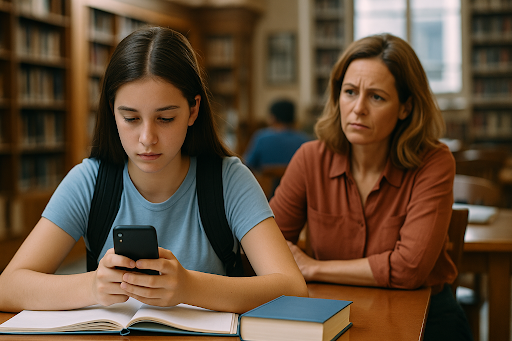
Laura never considered herself a “techy” mom — just a cautious one. She set screen time limits, monitored apps, and regularly checked in with her 13-year-old son about who he talked to online. But when a strange pop-up hijacked his phone after clicking a harmless-looking game link sent by a classmate, she realized just how quickly digital threats could slip past even the most watchful eyes.
It wasn’t malware that scared her most — it was what the incident revealed: how little her son understood about protecting his information, and how unprepared she felt to guide him.
If you’re a parent in Clinton, you’re not alone. Many families are realizing that digital safety is the new front line of parenting.
What Local Experts Say About Youth Digital Risks
Technology has opened doors for our kids, but it’s also opened vulnerabilities. In schools across Clinton, educators report increased concerns about students using unsecured Wi-Fi, encountering phishing links, or unintentionally sharing personal data on social platforms.
Local leaders are responding. Earlier this year, the S.A.F.E. S.P.A.C.E. event (Safety Awareness For Everyone, Supporting Parents And Children Everywhere) drew dozens of families for workshops and discussions. The focus: preparing kids for real-world challenges — both online and off.
“We’ve taught kids to look both ways before crossing the street,” said one Clinton Middle School counselor. “Now, we have to teach them to look both ways before clicking a link.”
Are Your Kids Safe on Their Phones? Probably Not
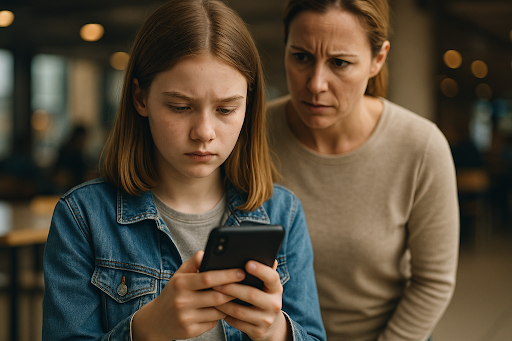
Whether it’s downloading new apps, logging into school portals on public Wi-Fi, or watching videos at a café, today’s youth often access the internet in ways that are convenient — but not always safe.
A recent Pew Research Center study found that over 65% of teens use public Wi-Fi weekly, often without knowing the risks. Public networks can expose devices to tracking, surveillance, or even direct cyberattacks.
A simple and effective solution for many families? Installing a trusted VPN on your child’s iPhone can go a long way toward keeping them secure.
A VPN (Virtual Private Network) encrypts the data moving between a device and the internet, keeping your child’s activity secure and hidden from snoopers — especially on untrusted networks like the ones at fast food restaurants, school buses, or libraries.
It’s not about locking down their internet access — it’s about quietly shielding them while they browse.
Pro Parent Tip: Stop Data Leaks Before They Start
Even the best VPN isn’t foolproof if the connection drops. That’s where features like a Kill Switch come in. It automatically cuts internet access the moment a secure VPN connection fails — preventing any data from slipping out during a weak moment.
Think of it as a seatbelt for your child’s digital habits. You hope it’s never needed, but it’s always on, just in case.
Digital Awareness Starts With Small Conversations
One of the most effective ways to build awareness in your child? Show, don’t just tell.
Start with a simple exercise. Ask your child to guess how much a website can know about them before they log in. Then together, visit an IP address checker. In seconds, they’ll see information like their approximate location, device type, and browser version — all exposed without ever typing a word.
It’s not about fear. It’s about giving your child a real-world view of how the internet works, and helping them see why caution is more than a lecture — it’s a life skill.
Clinton’s Role in Raising the Next Generation of Safe Digital Citizens
It’s not just parents bearing the weight of this responsibility. In Clinton, schools, libraries, churches, and community organizations are stepping up to equip youth with digital literacy tools.
Mississippi College recently hosted a panel on digital responsibility among Gen Z students. Teachers in the Clinton Public School District are incorporating cyber safety modules into their digital citizenship curriculum. And local nonprofits are offering after-school programs where students learn how to spot phishing scams and create strong passwords.
Parents are encouraged to participate — not just as supervisors, but as learners too.
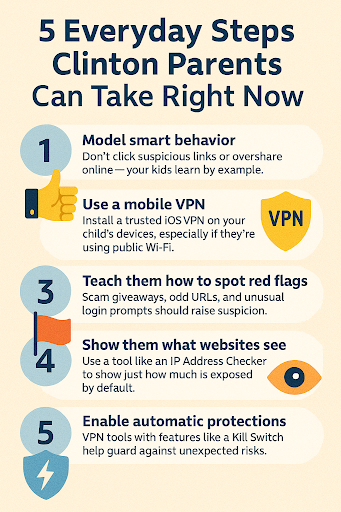
5 Everyday Steps Clinton Parents Can Take Right Now
If you’re wondering how to start building safer online habits at home, here’s a simple checklist:
1. Model smart behavior
Don’t click suspicious links or overshare online — your kids learn by example.
2. Use a mobile VPN
Install a trusted iOS VPN on your child’s devices, especially if they’re using public Wi-Fi.
3. Teach them how to spot red flags
Scam giveaways, odd URLs, and unusual login prompts should raise suspicion.
4. Show them what websites see
Use a tool like an IP Address Checker to show just how much is exposed by default.
5. Enable automatic protections
VPN tools with features like a Kill Switch help guard against unexpected risks.
Empowerment Over Fear: The New Approach to Online Safety
No one expects you to become a cybersecurity expert overnight. But knowing the basics — and being willing to learn alongside your child — is one of the most powerful things you can do as a parent in 2025.
Events like S.A.F.E. S.P.A.C.E., digital parenting tools, and community conversations are proving that online safety doesn’t need to be overwhelming or technical. It just needs to be intentional.
Your child doesn’t need a lecture — they need a partner. And in Clinton, that partnership starts with awareness, education, and a few smart digital tools that help them explore safely.
Because protecting your kids today doesn’t just mean knowing where they are — it means knowing where their data is going too.