How to Build a Daily Routine for Your Puppy

Bringing a puppy home is one of the best feelings in the world. But within the first few days, most new owners realise the same thing: a happy pup needs love, food, and a clear daily structure to truly settle in.
At Oodle Pups, we hear this all the time from families who’ve just welcomed their new dog. The early weeks feel overwhelming, and not knowing where to begin is a common problem for almost every new owner.
This article covers some of the most practical puppy routine tips based on our experience breeding and raising dogs like Pip and Rosie. Here’s what you’ll learn:
- Building a toilet training schedule that actually works
- What good behaviour looks like and how to encourage it
- How to structure feeding, sleep, and play across the day
Read on to get started.
What Does a Good Puppy Routine Actually Look Like?
A good puppy routine covers four things: feeding times, toilet breaks, play sessions, and sleep windows, all repeated every day.
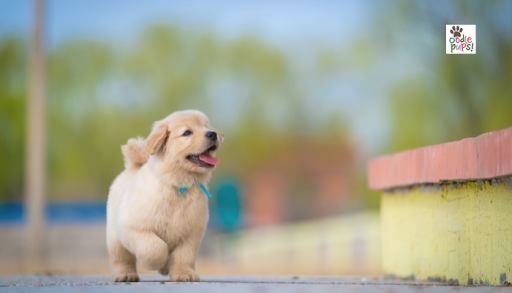
Young dogs feel safe when they know what’s coming next, and that predictability builds calm, normal behaviour down the track. And without that predictability, even the most relaxed pup can become unsettled. This may show up as excessive barking, destructive chewing, or difficulty settling at night.
Basically, the patterns you set in the first few weeks at your home directly affect how your dog handles training, social situations, and daily life later on.
Puppy Toilet Training: Where Every Routine Should Start
The best part about nailing toilet training early is that everything else in your puppy’s routine gets easier from that point on. Drawing from our experience with young dogs, puppies who have a consistent potty schedule from the start tend to show fewer anxiety-related behaviours as they get older.
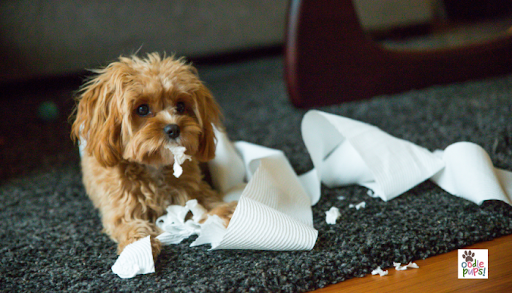
The two things worth getting right straight away are knowing how often to take your pup out and spotting the signs before an accident happens:
How Often Do Toilet Breaks Need to Happen?
Puppies under 12 weeks need a toilet break every 1-2 hours, and always right after meals, naps, and play sessions. Their bladders are tiny (yes, genuinely tiny), so the window between “fine” and “accident on the floor” moves quickly.
That’s exactly why taking your pup to the same place each time helps them connect the scent with where they’re meant to go to the toilet. That repetition builds the habit over time. And you can slowly reduce how often you take them out as they get older.
Crate training works well here, too. Most young dogs won’t pee where they sleep, so a crate gives them a natural reason to hold on. Just don’t leave them asleep in it for too long without a potty break, or you’ll undo the progress fast.
Spotting the Signs Before an Accident Occurs
Believe it or not, most puppy accidents are completely avoidable. Owners just need to know the handful of signals dogs give right before they go.
For starters, sniffing the ground, circling, or squatting are the clearest signs a pup needs to go to the toilet right now. So the moment you spot any of these, move them outside immediately. Even a minute of hesitation, and you’ll be cleaning up a mess in the wrong place instead.
On top of that, acting quickly in that moment builds a positive experience for your dog. It teaches your puppy to understand that outside is the right spot, without any extra confusion or stress (which is really all they need at this age).
Reward-based training works best at this stage. And honestly, a calm “good girl” or small treat right after they pee outside is all it takes to encourage the behaviour you want.
Building Good Behaviour: Puppy Training Tips That Stick
Many behavioural issues trace back to one thing: inconsistent guidance during those opening weeks. When one person in the house trains one way, and another does it differently, your dog simply won’t know which rule to follow.
Here’s how to avoid that:
- Keep Sessions Short: Training sessions of 5-10 minutes work far better than longer ones for young dogs because puppies lose concentration fast. Everyone should run them the same way, so your pup gets consistent signals across the board.
- Make It Fun: Positive reinforcement through treats, praise, or toys keeps a puppy engaged without stress. Reward-based work builds the kind of focus that holds across every part of daily life (and honestly, a dog that enjoys learning is a joy to teach).
- Add Mental Stimulation: Exercise alone won’t tire a young dog out. Introduce easy problem-solving activities alongside physical play to encourage calm, settled behaviour between sessions.
Most dogs respond well when guidance feels predictable and low-pressure. So, the earlier you create that rhythm, the less correcting you’ll need to do later on.
With that foundation in place, the next thing to sort out is what those first days at home look like.
Settling In: Structuring Your Puppy’s First Week at Home
As we already mentioned, the first week your pup spends at home sets the tone for how at ease and confident they’ll feel long-term. During those days, keep noise, visitors, and big changes to a minimum. A puppy’s natural curiosity will kick in on its own, but too much stimulation creates stress rather than confidence. Let them explore the house in quiet, supervised stretches instead.
At night, a crate or designated bed gives your dog a genuine sense of security. Most pups will whine those opening nights (yep, that’s completely normal), but a consistent sleep spot helps ease separation anxiety well ahead of leaving them to roam freely.
Your vet can advise on introducing your pup to new situations outside the home once they’re fully vaccinated. Until then, the time spent simply adjusting to family life indoors lays a strong base.
Feeding, Play, and Sleep: A Simple Daily Schedule
Puppies under six months need 3-4 small meals a day, short play sessions, and plenty of rest in between. You can follow this as a starting point:
| Time | Activity |
| 7:00 am | Wake up, potty trip, morning feed |
| 8:00 am | Short play session with toys |
| 9:00 am | Nap time |
| 12:00 pm | Midday meal, another potty trip |
| 1:00 pm | Short training session |
| 2:00 pm | Rest |
| 5:00 pm | Evening feed, play, toilet break |
| 8:00 pm | Wind down, final potty trip |
| 9:00 pm | Bed |
Every dog is different, so treat this schedule as a guide rather than a rigid rulebook. The goal is a rhythm your pup can rely on each day.
That said, eating and sleeping patterns will shift as your dog gets older. Pups typically drop to 2 meals a day around the six-month mark, and they’ll start sleeping through the night without needing a toilet trip.
Enough sleep is just as important as food or exercise at this age. Without it, a young dog will struggle to retain anything from those training sessions, and its behaviour tends to suffer as a result.
Can Your Puppy Live With Other Animals? Here’s How to Manage It
Yes, puppies can live comfortably with other animals, but the process needs a bit of patience and structure to go smoothly.
To ease them in, start by letting each pet get familiar with the other’s scent before any face-to-face meeting. For example, swapping a piece of bedding between them works well for this. That way, when the actual meeting happens, the reaction is far less intense than it would be going in cold.
Cats need particular care here, because a pup that charges at a cat in that moment will set a negative tone that takes real effort to undo. You’ll want to keep those early interactions brief, supervised, and in a neutral space where neither pet feels cornered.
Based on our firsthand experience with dogs and other household companions, most owners underestimate how much those early encounters guide long-term behaviour. An anxious first meeting creates lasting wariness on both sides.
While settling two pets together takes time, a household where every animal feels secure is absolutely worth the effort.
Your Puppy’s Best Days Start Today
A solid daily routine is one of the simplest things you can do to raise a calm, happy, and well-adjusted dog. Toilet training, good behaviour, feeding, and rest all get easier when your pup knows what to expect each day.
From this point, puppy training only builds on what you’ve already established. As your dog gets older, you’ll gradually introduce grooming, longer outings after their vaccinations are complete, and new experiences that broaden their confidence.
Positive reinforcement stays useful through every stage, and separation anxiety becomes far less of a concern when structure is already in place.
If you ever feel unsure about any part of the process, consult your vet. They’re the best resource you have for age-specific advice, whether it’s about sleep schedules, diet, or how your dog is responding day to day.
And if you’re looking for a pup bred with health, temperament, and family life in mind, Oodle Pups is a great place to start. Raising a dog well is one of life’s genuinely rewarding experiences, and with the right foundation, it’s a whole lot of fun too.
Read more: How Dog Training Professionals Can Help You Build a Stronger Bond with Your Pet?
Read more: The Real Responsibilities of Having a Pet
Read more: Pet Care 101: Essential Tips for Keeping Your Furry Friend Happy and Healthy