When It’s Time to Replace Your Floors
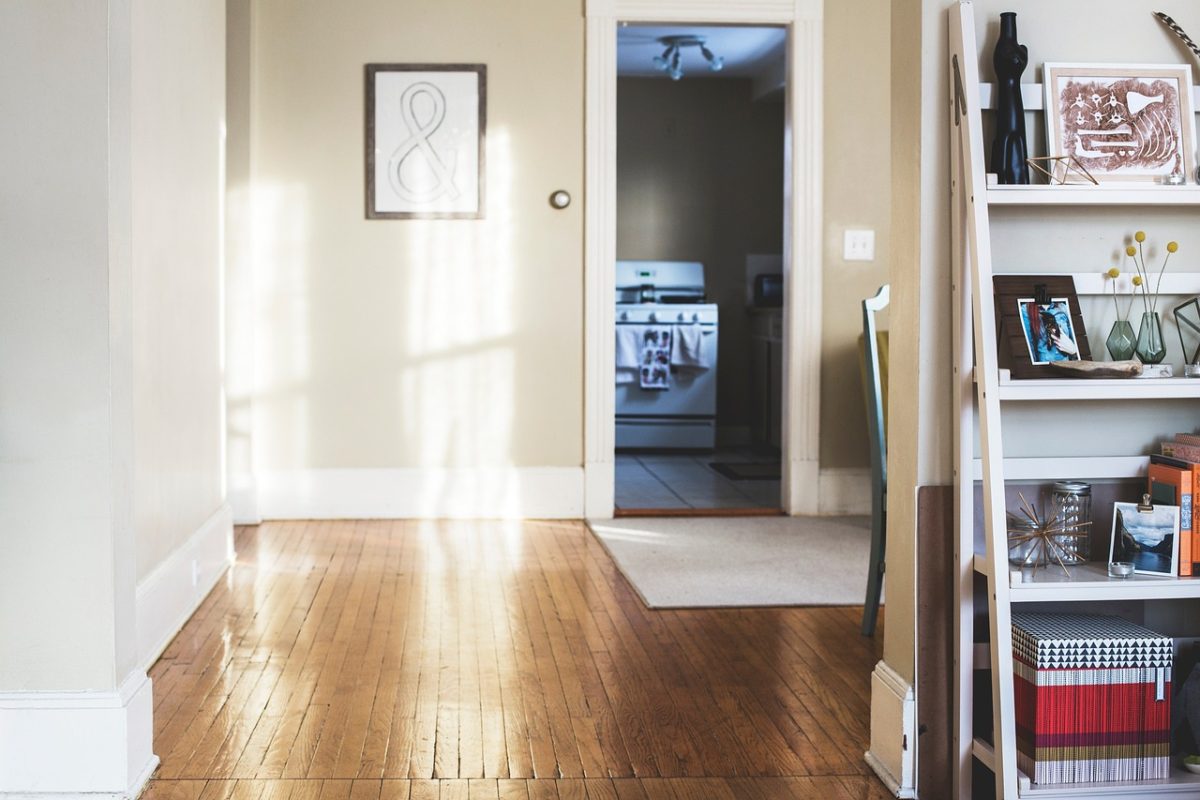
Floors are one of the most used and noticeable features in your home. Over time, even the highest-quality flooring will start to show signs of wear. Knowing when it’s time to replace your floors can save you from ongoing repairs, improve your home’s appearance, and even increase its value.
Visible Wear and Damage
Scratches, dents, stains, and fading are all indicators that your floors may be past their prime. While minor damage can sometimes be repaired or refinished, extensive wear that covers large areas often means replacement is the better option. This is especially true if the damage affects the safety or comfort of the space.
If you’re looking for expert advice and a wide selection of beautiful, durable options in Milwaukee visit FLOOR360. Their team can help you choose the right replacement flooring for your style, budget, and lifestyle.
Water Damage or Warping
Moisture is one of the biggest enemies of flooring. If you notice warping, buckling, or soft spots in wood, laminate, or vinyl floors, it’s likely due to water damage. Once the structural integrity is compromised, replacing the flooring is usually the only way to restore the area.
Persistent Stains and Odors
Some stains and odors simply won’t go away, no matter how much you clean. This is common with older carpets or porous surfaces that have absorbed spills, pet accidents, or smoke over the years. New flooring can instantly refresh the look and smell of your home.
Outdated Style
Flooring trends change over time, and what looked great 15 years ago might make your home feel dated today. Updating your floors can transform the style of a room and make it more appealing, especially if you’re preparing to sell your home.
Sagging or Uneven Surfaces
If your floors feel uneven or you notice sagging in certain areas, it could indicate underlying structural issues. In many cases, this means replacing the flooring and addressing the subfloor at the same time to ensure safety and stability.
Reduced Comfort and Functionality
Floors that have lost their cushioning, insulation, or noise control can make a home less comfortable. For example, worn carpet may feel thin underfoot, and older wood floors may creak excessively. New materials can improve comfort, reduce noise, and provide better energy efficiency.
The Cost of Ongoing Repairs
If you find yourself repeatedly fixing the same flooring issues, it might be more cost-effective to replace the entire surface. A new floor can reduce maintenance needs, lower repair costs, and give you peace of mind for years to come.
The Bottom Line
Replacing your floors is an investment in both the beauty and function of your home. Whether your decision is driven by visible damage, comfort, style, or maintenance concerns, choosing the right flooring can make a dramatic difference. By acting before problems get worse, you can enjoy a fresh, durable surface that enhances your home for years ahead.