Measures Drivers Can Take to Ensure They Do Not Get Distracted While Driving
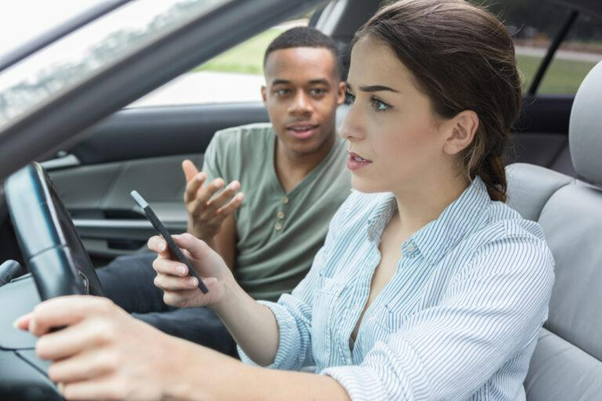
Driving is a responsibility that requires focus, patience, and awareness. Even a brief moment of lost concentration can change lives forever. Every year, thousands of accidents occur across the United States due to drivers taking their attention off the road, whether it’s for a text message, food, or adjusting the radio.
In fact, distracted driving is one of the leading causes of preventable collisions today. For those who have already suffered due to a distracted driver, consulting a distracted driver accident lawyer may be necessary to seek justice and compensation. But more importantly, preventing these accidents in the first place should be the goal for every driver.
Below are some practical measures drivers can take to reduce distractions and stay safe behind the wheel.
- Put Away Your Phone
Smartphones are the number one culprit when it comes to driver distractions. Whether it’s reading a text, checking social media, or setting up GPS directions, your attention shifts away from the road quickly.
The best way to eliminate this risk is to silence notifications, use “Do Not Disturb While Driving” features, or simply store your phone out of reach. If navigation is necessary, set your route before starting the car and rely on voice commands rather than frequent screen glances.
- Avoid Eating and Drinking While Driving
Many drivers turn their car into a dining space during busy schedules, but unwrapping food, reaching for drinks, or cleaning up spills divides focus. Eating might seem harmless, but handling food can easily interfere with reaction time. A safer option is to eat before you leave or wait until you reach your destination.
- Secure Kids and Pets Before Driving
Children and pets can quickly cause distractions if they move around the car or require sudden attention. Make sure kids are buckled in safely and provide them with any toys or snacks they’ll need before you get on the road. As for pets, use seatbelt-compatible harnesses or carriers to ensure they remain safe and contained during the trip.
- Plan Ahead for Route and Entertainment
A surprising number of drivers multitask on the road by changing playlists, adjusting radio stations, or figuring out directions. To avoid this, prepare in advance—set your playlist, adjust climate controls, and map your route before you shift into gear. If changes are needed while driving, voice-activated tools or hands-free controls are safer alternatives.
- Don’t Drive When Tired
Fatigue is a form of distraction as dangerous as texting while driving. Sleep-deprived drivers often drift in and out of focus, miss road signs, or even doze off entirely. If you feel too tired to drive, pull over safely, rest, or switch drivers if possible. It’s always better to reach your destination late than not at all.
- Keep Conversations Limited
Driving with passengers can sometimes lead to lively or intense discussions. While communication is part of the experience, avoid getting overly animated or turning your head too often. A steady focus on the road should always come first.
- Stay Mentally Present
One overlooked aspect of distracted driving is mind wandering—thinking about work, stress, or upcoming tasks. Although it feels less obvious than a phone or food, mental distraction can reduce awareness in dangerous ways. Practice being mindful while you drive. Engage your senses with what’s happening on the road—cars around you, signals, and road conditions.
Key Takeaways
- Put phones away or use hands-free settings to avoid temptation.
- Finish eating before you drive to keep your hands on the wheel and eyes forward.
- Secure children and pets to reduce sudden distractions.
- Plan routes, playlists, and car settings in advance.
- Avoid driving while tired; fatigue impairs focus and reaction time.
- Keep conversations light and avoid turning away from the road.
- Stay mentally present—daydreaming is also a form of distraction.