6 Critical Decisions That Influence the Outcome of New Homes
Building a new home is an exciting milestone, but it’s a process filled with crucial choices that shape the final result. From layout and location to materials and builders, each decision carries weight and directly impacts comfort, functionality, and long-term value.
Homeowners who approach construction thoughtfully can avoid costly mistakes and create a living space that meets their lifestyle needs for years to come. Understanding the key decisions that define a home’s outcome helps ensure a smoother experience and a more satisfying result once the project is complete.

Choosing the Right Location for Long-Term Value
The location of a home sets the tone for daily living and affects everything from convenience to resale potential. A good location offers proximity to important amenities such as schools, shops, hospitals, and public transport. It’s important to consider the neighborhood’s growth potential, zoning regulations, and safety ratings.
Environmental factors, including elevation, drainage, and exposure to sunlight, influence comfort and energy efficiency. While it may be tempting to focus on design details first, the site’s characteristics determine what can realistically be achieved with the build. A well-chosen location can elevate the value and enjoyment of a property for decades.
Selecting the Right Builder and Project Team
Choosing the right builder and project team is one of the most important decisions when constructing a new home, as their expertise directly affects the quality, timeline, and outcome of the project. A skilled team can navigate complex requirements, including roof pitch requirements, permitting, and structural standards, ensuring the design is executed safely and accurately. Homeowners should research credentials, review past projects, and seek client testimonials to gauge reliability and craftsmanship.
Clear communication is critical to avoid misunderstandings and delays. A team that demonstrates transparency, professionalism, and problem-solving ability transforms a complex construction process into a smoother, more confident experience.
Defining a Practical and Functional Layout
The layout of a new home dictates how well it supports daily routines and long-term living. A well-thought-out floor plan maximizes available space while promoting flow between rooms. Open layouts can create an airy feel and make entertaining easier, but defined zones provide privacy and quiet for family members who need it.
Natural light, ventilation, and furniture placement should all guide design choices. It’s smart to plan for the future, whether that means space for a growing family, a home office, or accessibility needs later in life. A balanced layout ensures every square meter serves a purpose and contributes to comfort and usability.
Balancing Budget and Quality of Materials
One of the most challenging aspects of building a new home is managing costs without compromising on quality. The temptation to save money by choosing cheaper materials can lead to long-term maintenance issues or reduced property value. Investing in durable, energy-efficient, and sustainable materials pays off through lower utility bills and fewer repairs.
Creating a clear budget early on helps prevent financial strain. Homeowners should differentiate between areas where high-end finishes matter and where affordable alternatives perform just as well. Striking the right balance ensures that the home remains stylish, functional, and structurally sound within budget limits.
Planning Energy Efficiency and Sustainability
Modern homeowners increasingly prioritize efficiency and environmental responsibility in new builds. Decisions made during construction affect comfort and ongoing expenses. Integrating solar panels, rainwater systems, or energy-efficient HVAC setups can significantly reduce operating costs.
The orientation of the house plays a role in regulating indoor temperature naturally, which can lower dependence on heating and cooling systems. Sustainable design choices make the home environmentally friendly and can increase resale appeal as energy performance becomes a top buyer consideration. A forward-thinking approach to efficiency ensures a greener, more economical future.
Focusing on Interior Design and Lifestyle Fit
The finishing phase of home construction brings personality and warmth to the new space, but design decisions should always align with lifestyle needs. Flooring materials, wall colors, lighting, and built-in storage solutions shape how the home feels and functions. For example, durable surfaces suit active families, while minimalist layouts appeal to those who prefer uncluttered living.
Lighting design plays a major role in mood and functionality, from bright task lighting in kitchens to soft, ambient tones in bedrooms. Customizing interiors to match personal habits ensures the house feels like home from day one. The best interiors balance beauty with practicality, creating a setting that’s inviting and enduring.
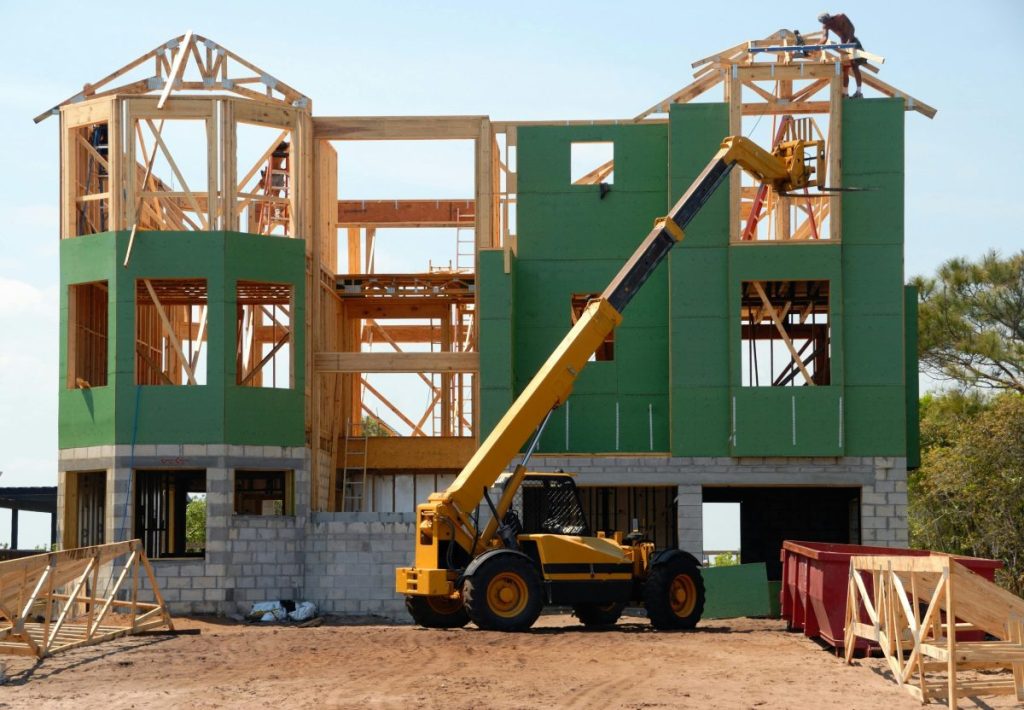
Every new home reflects the cumulative effect of countless decisions. Each choice, from selecting the land to fine-tuning interior finishes, carries lasting implications for comfort, sustainability, and value.
By approaching these six critical decisions with foresight and care, homeowners can reduce stress, control costs, and achieve a final result that truly reflects their vision. Building a home is a major investment, but with thoughtful planning and informed decision-making, the outcome can be a place that brings satisfaction and stability for years to come.
Read more: Affordable Ways To Refresh Your Living Space This Season
Read more: Why Choosing the Right Roofer Matters
Read more: Fresh Updates, Better Living: 7 Improvements to Upgrade Your Home