Dental Crowns and Their Benefits for Oral Health and Appearance
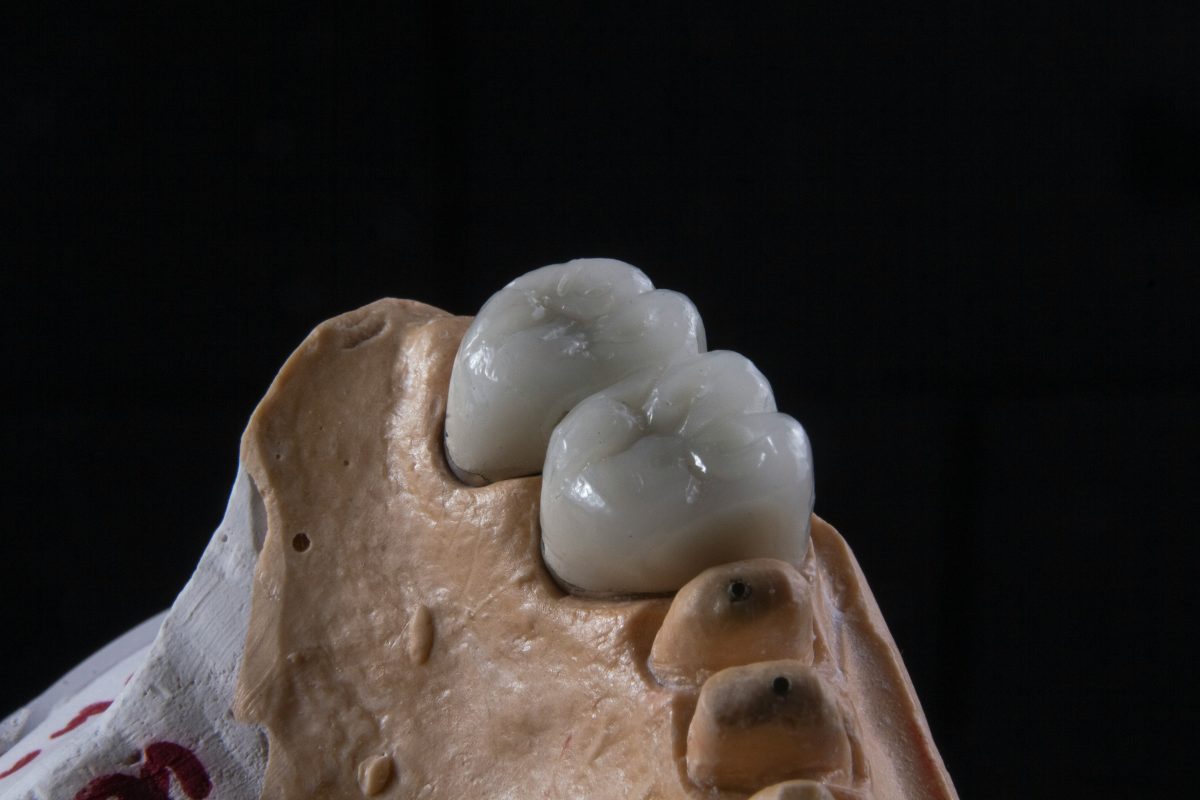
Photo by Ozkan Guner on Unsplash
According to the American Dental Association’s 2024 clinical guidelines, dental crowns remain the gold standard for restoring severely damaged teeth, with success rates exceeding 95% when properly placed and maintained. Yet many patients only discover they need crowns after extensive damage has already occurred — often because they weren’t aware of the early warning signs or the protective benefits crowns provide beyond simple repair.
The landscape of restorative dentistry has shifted dramatically in recent years. Digital imaging, same-day fabrication, and advanced materials have transformed crowns from a multi-week ordeal into a precise, often single-visit solution. As dental practices increasingly emphasize prevention and early intervention, crowns have emerged as both a corrective measure and a protective strategy for preserving natural teeth that might otherwise require extraction.
For anyone facing the possibility of crown treatment — whether due to a cracked tooth, large filling failure, or cosmetic concerns — understanding how crowns actually work and what benefits they provide can inform better decisions about timing, materials, and long-term oral health strategy. The choice isn’t just about fixing today’s problem; it’s about ensuring that tooth remains functional for decades to come.
How Do Dental Crowns Restore and Protect Teeth?
Think of a dental crown as a protective helmet for a damaged tooth. When a tooth loses significant structure due to decay, trauma, or large fillings, its remaining walls become thin and vulnerable to fracture. A crown encases the entire visible portion of the tooth above the gum line, redistributing biting forces across the entire restoration rather than concentrating stress on weakened natural tooth structure.
The restoration process begins at the cellular level. When dentists prepare a tooth for a crown, they remove damaged or compromised tissue while preserving as much healthy tooth structure as possible. This creates a foundation — called a preparation — that’s designed to support the crown while maintaining the tooth’s internal health. The crown then bonds to this preparation using advanced dental cements that create a seal against bacterial infiltration.
What makes crowns particularly effective is their ability to restore both form and function simultaneously. A properly fitted crown recreates the tooth’s original anatomy, including the precise contours needed for proper bite alignment and jaw function. This restoration of natural shape allows the surrounding muscles and joints to work efficiently, preventing the compensatory patterns that often develop when people unconsciously avoid chewing on damaged teeth.
The protective mechanism extends beyond simple coverage. Modern crown materials — whether ceramic, metal, or composite — are engineered to flex slightly under pressure, mimicking the natural give of tooth enamel. This controlled flexibility helps absorb and distribute chewing forces, reducing stress on both the restored tooth and adjacent teeth. For teeth that have undergone root canal treatment, this protection becomes critical, as these teeth lose their internal blood supply and become more brittle over time.
Following root canal therapy, many patients in Dubai are advised to consider restorative crown solutions at a dental clinic in Al Rigga to help reinforce weakened teeth and maintain proper chewing function.
What Are the Types of Dental Crowns Available?
The choice of crown material significantly impacts both the immediate outcome and long-term success of the restoration. Today’s dental practices typically offer four main categories: all-metal crowns, porcelain-fused-to-metal (PFM) crowns, all-ceramic or all-porcelain crowns, and resin-based crowns. Each serves specific clinical situations and patient needs.
All-metal crowns, typically made from gold alloys or base metal alloys, offer unmatched durability and require minimal tooth reduction during preparation. They’re biocompatible, resist wear, and rarely fracture — making them ideal for back teeth where chewing forces are greatest. However, their metallic appearance limits their use to areas where aesthetics aren’t a primary concern.
Porcelain-fused-to-metal crowns combine the strength of a metal substructure with the natural appearance of porcelain. The metal core provides durability while the porcelain overlay matches surrounding tooth color. These crowns work well for both front and back teeth, though the junction between metal and porcelain can sometimes create a dark line near the gum if gums recede over time.
All-ceramic crowns represent the current standard for front teeth and increasingly for back teeth where aesthetics matter. Modern ceramics like zirconia and lithium disilicate offer excellent strength while providing the light transmission and color depth that make them virtually indistinguishable from natural teeth. They’re completely metal-free, eliminating any concerns about metallic taste or potential allergic reactions.
How Do Different Dental Crown Materials Compare?
The selection between crown materials often comes down to balancing strength, aesthetics, and biocompatibility for each specific clinical situation. Metal crowns excel in durability — gold alloy crowns can last 15-30 years with proper care, and their malleability allows for precise marginal fits that resist bacterial infiltration. However, their cost and appearance limit their acceptance among patients concerned with aesthetics.
Ceramic materials have evolved substantially in strength and reliability. Zirconia crowns approach the durability of metal while maintaining excellent aesthetics, making them suitable for most clinical situations. Lithium disilicate offers superior translucency for front teeth but requires more careful handling and precise cementation techniques. Both materials integrate well with gum tissue and don’t cause the metallic taste some patients experience with metal restorations.
The biocompatibility differences are subtle but important for some patients. All-ceramic restorations eliminate any potential for galvanic reactions — the mild electrical currents that can occur when different metals contact saliva. For patients with metal sensitivities or those who prefer metal-free dentistry, ceramic options provide peace of mind along with clinical performance.
Cost considerations often influence material selection, but the price difference between materials has narrowed as ceramic manufacturing has become more efficient. The investment in higher-quality materials typically pays dividends in longevity and patient satisfaction, particularly for crowns in visible areas where replacement would be both costly and disruptive.
What Is the Role of Customization and Fit in Crown Success?
The difference between a good crown and an excellent crown often lies in the precision of fabrication and fit. Modern dental practices use digital impression systems that capture tooth contours with accuracy measured in microns — far exceeding what traditional impression materials could achieve. These digital models allow both dentist and laboratory technician to visualize the restoration from every angle before fabrication begins.
Marginal fit — how precisely the crown edge meets the natural tooth — directly impacts long-term success. A crown with poor marginal adaptation creates gaps where bacteria can accumulate, leading to decay at the crown-tooth junction. Conversely, overextended margins can irritate gums and trap food particles. The goal is a seamless transition that patients can’t detect with their tongue and that maintains healthy gum tissue over time.
The internal fit of the crown affects both retention and longevity. Computer-aided design allows technicians to create internal surfaces that maximize contact with the prepared tooth while ensuring adequate space for cement. This precise engineering helps ensure the crown stays in place while distributing chewing forces evenly across the underlying tooth structure.
Color matching has become increasingly sophisticated with digital shade analysis systems that account for the subtle color variations within individual teeth. The best crowns for healthy smiles incorporate these natural variations, creating restorations that blend seamlessly with surrounding teeth even under different lighting conditions.
What Are the Key Benefits of Dental Crowns for Oral Health and Appearance?
Beyond their obvious role in repairing damaged teeth, crowns provide several interconnected benefits that impact overall oral health. The most immediate advantage is structural reinforcement — a crown can restore a tooth to full function even when 60-70% of the original structure has been lost to decay or fracture. This preservation of natural teeth maintains the integrity of the dental arch and prevents the shifting that occurs when teeth are extracted.
Functional restoration extends to bite mechanics and jaw comfort. When a tooth is severely damaged, patients often unconsciously avoid chewing on that side, creating muscle imbalances and potential jaw joint problems. A properly contoured crown restores normal chewing patterns, allowing the entire mouth to function as designed. This balanced function reduces stress on remaining teeth and supporting structures.
The aesthetic benefits of crowns go beyond simple appearance. When front teeth are damaged or discolored, many patients become self-conscious about smiling or speaking, which can impact professional and social interactions. Modern crowns can match not only the color but also the translucency and surface texture of natural teeth, creating results that even dental professionals find difficult to distinguish from original tooth structure.
Crowns also provide prophylactic protection for teeth at high risk of future problems. Teeth with large fillings, those that have undergone root canal treatment, or teeth with visible cracks can be crowned before catastrophic failure occurs. This preventive approach often preserves more tooth structure than waiting until emergency treatment is needed, and it prevents the pain and inconvenience of unexpected dental emergencies.
The psychological benefits shouldn’t be underestimated. Patients who receive well-executed crown treatment often report improved confidence in their smile and relief from the anxiety of living with damaged teeth. This peace of mind contributes to better overall oral hygiene habits, as patients become more invested in maintaining their restored dentition.
What Should You Expect from the Procedure and Maintenance of Dental Crowns?
The crown placement process typically requires two visits when traditional laboratory fabrication is used, though same-day systems can complete the entire procedure in a single appointment. During the first visit, the dentist prepares the tooth by removing damaged structure and shaping the remaining tooth to accommodate the crown. This preparation must balance preserving healthy tooth structure with creating adequate space for a durable restoration.
Temporary crowns protect the prepared tooth between visits and help maintain proper spacing and gum health. These temporary restorations, while not as strong as the final crown, allow normal function and provide a preview of the final result. Patients should expect some initial sensitivity to temperature and pressure, which typically resolves within a few days as the tooth adapts to its new contours.
The cementation appointment involves careful fitting and adjustment of the permanent crown before final placement. Modern dental cements create strong chemical bonds with both the crown and natural tooth, but the success of this bond depends on maintaining a completely dry environment during cementation. This is why the appointment may seem meticulous — any contamination with saliva or blood can compromise the long-term retention of the restoration.
Post-placement care focuses on maintaining excellent oral hygiene and protecting the restoration from excessive forces. While crowns themselves don’t decay, the junction between crown and natural tooth remains vulnerable to bacterial infiltration if plaque accumulates. Regular brushing and flossing, supplemented with antimicrobial mouth rinses when recommended, help maintain the health of the supporting tooth and surrounding gums.
Patients should avoid using crowned teeth as tools for opening packages or cracking nuts, as these activities can fracture even high-strength ceramics. Night guards may be recommended for patients who grind their teeth, as the repetitive forces generated during sleep can exceed the fatigue limits of any dental material over time.
Routine dental cleanings and professional examinations are equally critical for verifying the ongoing structural integrity of your restoration.According to this dentist in Beverly Hills CA, by allowing your practitioner to catch minor margin changes early, you can maximize the lifespan of your crown and ensure your smile remains both functional and healthy for years to come.
What Do Long-Term Outcomes and Risks of Dental Crowns Look Like?
Research tracking crown performance over decades provides reassuring data about longevity and success rates. Studies published in the Journal of Prosthetic Dentistry show that well-executed crowns have 10-year survival rates above 95%, with many lasting significantly longer when properly maintained. The primary factors influencing longevity include the amount of remaining natural tooth structure, the patient’s oral hygiene habits, and the forces generated by their bite.
Crown failure, when it occurs, typically follows predictable patterns. Porcelain fracture affects approximately 2-5% of ceramic crowns over 10 years, usually resulting from trauma or excessive grinding forces. Crown dislodgment — where the restoration comes loose — occurs in roughly 1-2% of cases and often indicates either inadequate retention in the original preparation or cement failure due to bacterial infiltration.
Secondary decay at crown margins represents a more serious long-term risk, affecting 3-7% of crowned teeth over 15 years according to longitudinal studies. This complication emphasizes the importance of meticulous oral hygiene and regular professional cleanings to prevent bacterial accumulation at the crown-tooth junction. When caught early, margin decay can often be treated with repair rather than complete crown replacement.
The investment in crown treatment generally provides excellent value when compared to the alternatives. While initial costs may seem substantial, the per-year cost of a crown over its typical 15-20 year lifespan often compares favorably to repeated repairs of large fillings or the eventual need for extraction and replacement with implants or bridges.
Patient satisfaction with crown treatment remains consistently high in outcome studies, with over 90% of patients reporting they would choose the same treatment again. The combination of restored function, improved aesthetics, and elimination of pain or sensitivity creates benefits that extend well beyond the treated tooth itself.
For patients evaluating crown treatment, the key consideration isn’t whether crowns work — the clinical evidence strongly supports their effectiveness — but rather timing the treatment appropriately and selecting the right materials for their specific situation and long-term goals.