Sidewalk Repair in NYC: Costs, Rules, FAQs and Contractors
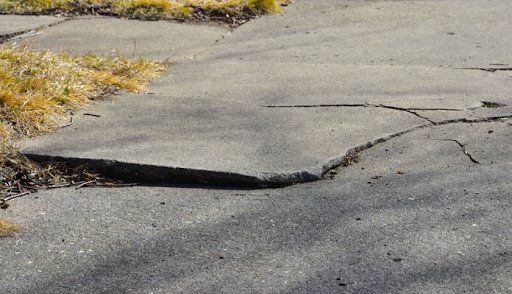
A cracked sidewalk slab looks like a minor cosmetic issue. In New York City, it’s a legal liability. Under the city’s Sidewalk Law, property owners, not the city, are responsible for keeping the sidewalk in front of their building safe and in good repair.
That responsibility catches a lot of owners off guard, usually when a Department of Transportation notice shows up in the mail. Here’s what actually happens, step by step, and what it costs to fix.
Why NYC Sidewalks Crack in the First Place
A few conditions show up again and again:
- Tree roots. As street trees mature, their root systems push up against the concrete above them. This is the single most common cause of sidewalk damage across the five boroughs.
- Freeze-thaw cycles. Water seeps into small cracks, freezes in winter, and expands, widening the crack a little more each season.
- Ground settlement. Older concrete slabs can shift unevenly over time, especially near building foundations or utility cuts.
- General wear. Decades of foot traffic eventually break down even well-poured concrete.
Most sidewalk violations trace back to one of these four causes.
Who’s Actually Responsible
Since 2003, NYC’s Administrative Code §7-210 has placed sidewalk maintenance squarely on the property owner, not the city. This applies to most residential and commercial buildings. There are exceptions, including one- to three-family owner-occupied homes in certain tree-root cases, where NYC Parks may step in to help.
If DOT inspects a sidewalk and finds a defect, the owner receives a Notice of Violation with a deadline to fix it. Ignoring it doesn’t make the problem go away. Unresolved violations can escalate to a lien against the property.
When to Call a Professional
A hairline crack might be fine to monitor. A raised slab, a trip hazard, or an active DOT violation is not something to DIY. Beyond the legal risk, incorrect repairs often fail city inspection, costing more in the long run than doing it right the first time.
Companies like NY Vanta Contractors handle the permitting and inspection process directly, which takes a lot of the guesswork out of an otherwise confusing system for property owners dealing with their first violation.
The Repair Process, Step by Step
- Get an inspection or review the violation notice. This tells you exactly which conditions need to be corrected.
- Hire a licensed contractor familiar with DOT specifications. Not every general contractor is set up to handle city permitting correctly.
- Pull the required permits. A standard sidewalk construction permit costs $70 per 300 linear feet. If the damage involves a street tree, a separate Tree Work Permit is required for any work within 50 feet of it, and it’s free.
- Complete the repair to DOT standards. This usually means matching slab thickness, slope, and surface requirements, not just pouring new concrete.
- Request a re-inspection. This closes out the violation officially.
Skipping the permit step is a common and costly mistake. Repairs done without the correct permits can be rejected during inspection, meaning the work has to be redone.
What It Costs
According to Darian Holt, Concrete & Masonry Specialist at Skygrid Group NY, pricing depends on scope, but a few benchmarks hold steady across most NYC sidewalk jobs:
- Minor patch or single-slab repair: roughly $1,000 to $3,000
- Larger repairs involving tree roots or multiple slabs: up to $7,000 or more
- Full replacement is typically priced per square foot, with cost rising for jobs that need subbase repair or reinforcement
Getting a written estimate before work starts is standard practice, and a reputable contractor should be able to walk through exactly what’s driving the cost.
| Repair Type | Typical Cost | Notes |
| Minor patch (single slab) | $1,000 – $3,000 | Most common repair type |
| Multi-slab or tree-root related | Up to $7,000+ | Needs trenching or releveling around roots |
| Full replacement (per sq ft) | Varies by scope | Rises with subbase repair or reinforcement needed |
| Sidewalk construction permit | $70 per 300 linear ft | Required for any repair, regardless of size |
| Tree Work Permit | Free | Required only if work is within 50 ft of a street tree |
FAQ
How long do I have to fix a sidewalk violation in NYC?
DOT typically gives property owners a set window (commonly around 75 days) to complete repairs after a Notice of Violation is issued. The exact deadline is listed on the notice itself.
What happens if I ignore a sidewalk violation?
The violation stays active and can escalate. Unresolved repairs can result in the city completing the work and billing the owner, sometimes placed as a lien on the property.
Do I need a permit for a small crack repair?
Yes. Any sidewalk construction work in NYC requires a DOT permit, regardless of how minor the repair looks. Skipping this step can get the work rejected at inspection.
How long does a typical sidewalk repair take?
A small patch job can often be completed in a day or two once permits are approved. Larger replacements involving multiple slabs or tree roots can take longer.
What if a neighbor’s tree caused damage to my sidewalk?
Responsibility still generally falls on the abutting property owner, since NYC’s Sidewalk Law ties maintenance to the property, not the source of the damage. If it’s a city-owned tree, owners may have options through NYC Parks.
Does homeowners insurance cover sidewalk repair costs?
Coverage varies by policy. It’s worth checking directly with your insurer, since most standard policies don’t automatically cover routine sidewalk wear.
The Bottom Line
NYC sidewalk repair isn’t optional once a defect is identified, and the responsibility sits with the property owner, not the city. Understanding the permit process and getting ahead of small cracks before they become violations saves both money and legal headaches down the line.
Read more: Why Awareness Matters in Everyday Community Safety
Read more: Complete Guide to NYC DOT Sidewalk Violations: Causes, Fines, and Repairs
Read more: How to Keep Roads Clean Over Time