Diesel Injector Pump Failures: Causes, Symptoms, and Smart Replacement Decisions
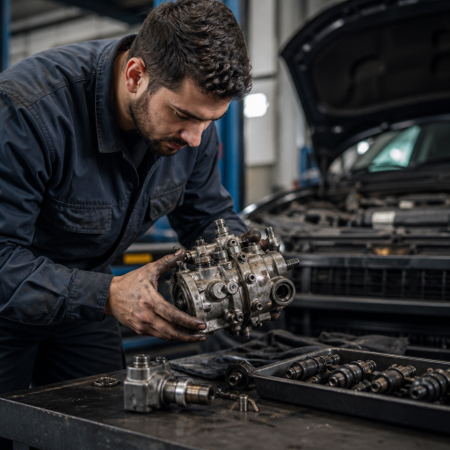
The diesel injector pump is one of the most mechanically demanding components in any diesel-powered vehicle or piece of equipment. It operates under extreme pressure, cycles thousands of times per minute, and must deliver precise fuel quantities to each cylinder with near-perfect timing. When it begins to fail, the consequences ripple through the entire drivetrain — reduced power, rough idling, excessive smoke, and eventually a complete no-start condition. Understanding what causes these failures, how to recognize them early, and what your replacement options look like can save you significant time and money before a minor issue becomes a catastrophic breakdown.
What the Diesel Injector Pump Actually Does
Unlike gasoline engines, which rely on spark ignition, diesel engines depend entirely on compression and precisely timed fuel delivery to combust. The injector pump is the heart of this system. It draws fuel from the tank, pressurizes it to levels that can exceed 30,000 PSI in modern common-rail systems, and distributes it to each injector at exactly the right moment in the combustion cycle. This process demands tight tolerances, clean fuel, and consistent lubrication — all conditions that degrade over time and with neglect.
There are several types of diesel injection pumps, including inline pumps, rotary (distributor) pumps, and common-rail high-pressure pumps. Each has its own failure modes, but all share a common vulnerability: contamination. Diesel fuel itself provides much of the lubrication for internal pump components, which means water intrusion, microbial growth, or particulate contamination can accelerate wear dramatically.
Common Causes of Injector Pump Failure
Fuel Contamination and Poor Fuel Quality
Water in the fuel supply is the single most destructive force acting on a diesel injection pump. Even small amounts of water can cause corrosion on precision-machined surfaces, disrupt the lubrication film between moving parts, and promote bacterial growth that clogs filters and passages. Biodiesel blends, while environmentally appealing, are particularly prone to water absorption and microbial contamination if stored improperly. Running contaminated fuel through a pump that was designed for clean, dry diesel is a reliable path to premature failure.
Wear from High Mileage and Extended Service Intervals
Diesel injection pumps are built to last, but they are not immortal. High-mileage vehicles — particularly those used in commercial or agricultural applications — will eventually see wear on plungers, barrels, and delivery valves. Skipping fuel filter changes accelerates this process by allowing abrasive particles to circulate through the pump. Most manufacturers recommend fuel filter replacement every 15,000 to 30,000 miles, but many operators push well beyond those intervals, especially on older equipment without service reminders.
Timing Drift and Calibration Loss
Mechanical injection pumps rely on precise timing to deliver fuel at the correct point in the piston’s compression stroke. As internal components wear, timing can drift, causing hard starts, rough running, increased exhaust smoke, and reduced fuel economy. In some cases, timing drift is gradual and goes unnoticed until the engine’s performance has degraded significantly. Electronic common-rail systems are less susceptible to mechanical timing drift but introduce their own failure modes through solenoids, pressure regulators, and control modules.
Recognizing the Warning Signs Early
A failing diesel injector pump rarely fails without warning. The challenge is that many of its symptoms overlap with other fuel system issues, making accurate diagnosis essential before committing to a replacement. Common warning signs include difficulty starting — especially in cold weather — uneven idle, loss of power under load, excessive black or white smoke from the exhaust, and a noticeable increase in fuel consumption. In more advanced stages, you may hear knocking or rattling from the engine bay as cylinders receive inconsistent fuel charges.
Before condemning the pump outright, it is worth inspecting the fuel supply system thoroughly. Clogged filters, a failing lift pump, or restricted fuel lines can mimic pump failure symptoms. Learning how to properly clean and maintain fuel injectors is also a valuable step, as dirty injectors can mask or compound pump-related issues and lead to misdiagnosis.
New, Rebuilt, or Used: Choosing the Right Replacement
Once a failed pump has been confirmed, the next decision is what type of replacement to source. Each option carries distinct trade-offs in terms of cost, reliability, and availability.
New OEM Pumps
A brand-new OEM pump offers the highest confidence in longevity and performance. However, for older diesel engines — particularly those found in vintage trucks, agricultural equipment, or marine applications — new OEM parts may be discontinued or prohibitively expensive. In these cases, the aftermarket and remanufactured segments become far more practical.
Rebuilt and Remanufactured Pumps
Professionally rebuilt pumps are disassembled, inspected, and restored to factory specifications using new wear components. When performed by a qualified diesel injection specialist, a rebuilt pump can match or exceed the reliability of a new unit at a fraction of the cost. The key is sourcing from a reputable supplier who stands behind their work with a meaningful warranty.
Used Pumps
Used pumps represent the lowest upfront cost but carry the highest risk. Without knowing the service history of a used unit, you may be installing a pump that is already near the end of its service life. Used pumps are best reserved for situations where budget constraints are severe and the application is low-stakes or temporary.
Where to Source Quality Diesel Injection Pumps
Goldfarbinc.com has built a strong reputation among diesel mechanics and fleet operators for offering a wide selection of new, used, and rebuilt fuel injection components. Whether you are working on a light-duty pickup, a heavy commercial truck, or agricultural machinery, their inventory covers a broad range of applications. If you need a reliable diesel injector pump with confidence in its quality and provenance, Goldfarb & Associates provides options across all three categories — new, rebuilt, and used — making it easier to match your budget and reliability requirements without sacrificing access to the right part.
Performance Upgrades and Fuel System Synergy
For enthusiasts who are not just maintaining but improving their diesel or gasoline-powered vehicles, the fuel system is only one piece of a larger performance puzzle. Forced induction upgrades, for example, dramatically increase the demand placed on fuel delivery components. If you are exploring power adders for a gasoline platform, understanding LS1 supercharger kits and their full cost implications is a useful reference point for understanding how interconnected engine systems become when you start pushing beyond stock power levels. The same principle applies to diesel builds — upgrading an injection pump for higher output requires corresponding upgrades to fuel supply, filtration, and cooling.
Conclusion
The diesel injector pump is not a component that rewards neglect. Its precision engineering demands clean fuel, regular filter maintenance, and timely attention to early warning signs. When failure does occur, the replacement decision — new, rebuilt, or used — should be driven by the application’s demands, the vehicle’s value, and the quality of the supplier. Taking the time to diagnose correctly, source responsibly, and install properly will extend the life of the new pump and protect the broader fuel system investment for years to come.