Floating Dredge Systems: The Impact of Modern Engineering and Technology
Floating dredge systems have undergone a remarkable transformation, thanks to the continuous advancement of engineering and technology. These systems, vital for projects ranging from harbor deepening to environmental restoration, have become increasingly efficient, precise, and environmentally conscious. Once driven mainly by brute force and simple mechanics, today’s dredges are highly sophisticated machines equipped with GPS, automation, and advanced pumping systems. This evolution has enabled industries such as mining, construction, and waterway maintenance to operate more effectively and sustainably. As demand for land reclamation, flood prevention, and resource extraction grows, so does the need for cutting-edge floating dredge systems. In this post, we’ll explore six key ways modern engineering and technology have redefined floating dredge operations and their far-reaching impact.

Revolutionizing Design with Lightweight, Durable Materials
Modern floating dredge systems benefit enormously from the use of advanced materials, which make them lighter, more durable, and more versatile. Historically, dredges were constructed with heavy steel components, which limited mobility and increased fuel consumption. Today, materials such as high-density polyethylene (HDPE), composite alloys, and corrosion-resistant polymers are commonly used in hulls, piping, and pontoons. These modern materials, as seen when we click here, reduce weight and enhance buoyancy and minimize maintenance needs. Dredge systems can now operate in shallower waters, navigate tight spaces, and remain operational longer without extensive repairs. These improvements have opened up dredging to more remote and environmentally sensitive areas, allowing for safer and more adaptable deployment.
The Integration of Automation and Remote Monitoring
One of the most impactful advancements in floating dredge technology is the integration of automation and real-time monitoring systems. Engineers have equipped modern dredges with programmable logic controllers (PLCs), sensors, and remote telemetry, enabling operators to monitor performance metrics such as suction efficiency, sediment concentration, and equipment wear from a central console or even off-site locations. Automation reduces human error, optimizes output, and enhances operator safety by minimizing exposure to hazardous conditions. Real-time data collection allows for predictive maintenance and improved decision-making.
Enhancing Environmental Sustainability
Environmental sustainability is now a central consideration in the engineering of floating dredge systems. Modern dredges are designed to minimize ecological disruption, featuring precision dredging heads, sediment containment systems, and low-emission engines. By utilizing GPS and sonar technologies, operators can dredge with pinpoint accuracy, reducing the risk of over-excavation and damage to aquatic ecosystems. Many systems include turbidity curtains and silt screens to contain disturbed sediments, preventing pollution from spreading downstream. Eco-friendly fuels and energy-efficient motors help reduce the carbon footprint of dredging operations.
Customization for Industry-Specific Applications
The adaptability of modern floating dredge systems is another hallmark of engineering progress. Today’s dredges are not one-size-fits-all. They are designed to meet the unique demands of various industries and environmental conditions. In mining, for example, dredges are outfitted with high-capacity slurry pumps and abrasive-resistant components to handle dense mineral deposits. Environmental dredging may require precision cutting tools and sediment filtration systems to preserve surrounding habitats. Engineers now work closely with clients to customize dredge configurations, like adjusting cutter heads, pipe lengths, power systems, and deck layouts, to suit specific project goals.
Improving Safety Through Engineering Innovations
Safety has always been a priority in dredging, but modern engineering has taken it to new levels. The integration of hydraulic systems, remote-controlled winches, and automated shutdown protocols has significantly reduced the physical risks faced by dredge operators. Onboard safety systems such as pressure relief valves, emergency e-stops, and structural reinforcements have made working on floating dredges more secure. Many systems now include training simulators that replicate real-life scenarios, preparing crews to handle emergencies without actual exposure.
Pushing Boundaries with Global Connectivity and AI
Perhaps the most forward-looking development in floating dredge systems is the incorporation of artificial intelligence (AI) and global connectivity. With cloud-based data platforms and AI algorithms, dredge operations are becoming more predictive and autonomous. Machine learning models analyze dredging data in real-time, adjusting operations to improve efficiency, reduce fuel use, and anticipate equipment failures. Global positioning systems (GPS) combined with geographic information systems (GIS) enable precise navigation and mapping, ensuring projects stay on track and within boundaries. Remote connectivity allows multinational dredging firms to oversee fleets of dredges across continents, standardizing best practices and reducing response time to technical issues.
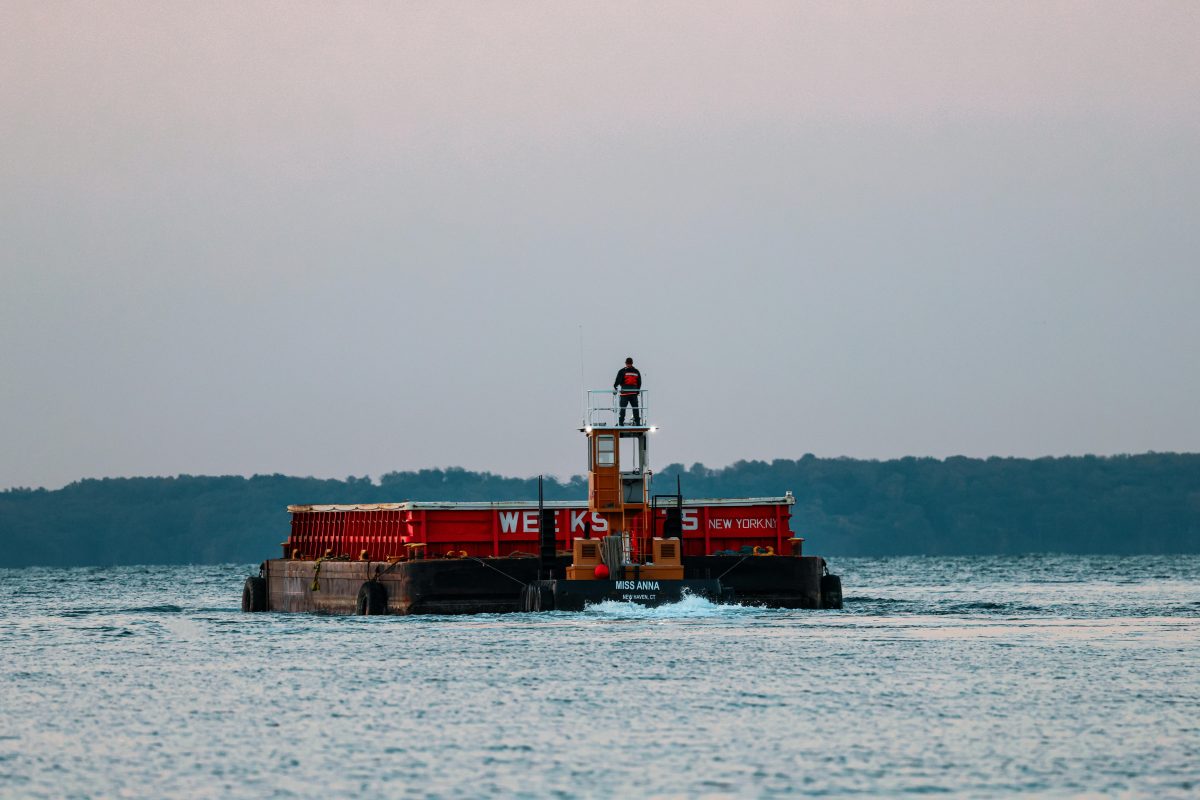
Floating dredge systems have evolved far beyond their humble beginnings, driven by breakthroughs in engineering and digital technology. These systems are now more adaptable, intelligent, and environmentally conscious than ever before. By embracing innovation, from automation and AI to sustainable materials and safety advancements, today’s dredging operations can tackle increasingly complex challenges with confidence. As infrastructure needs and environmental concerns continue to grow worldwide, the impact of modern floating dredge systems will only become more pronounced, underscoring their vital role in shaping the future of waterway management and resource development.