The Changing Role of Coaches in Modern Sports Programs
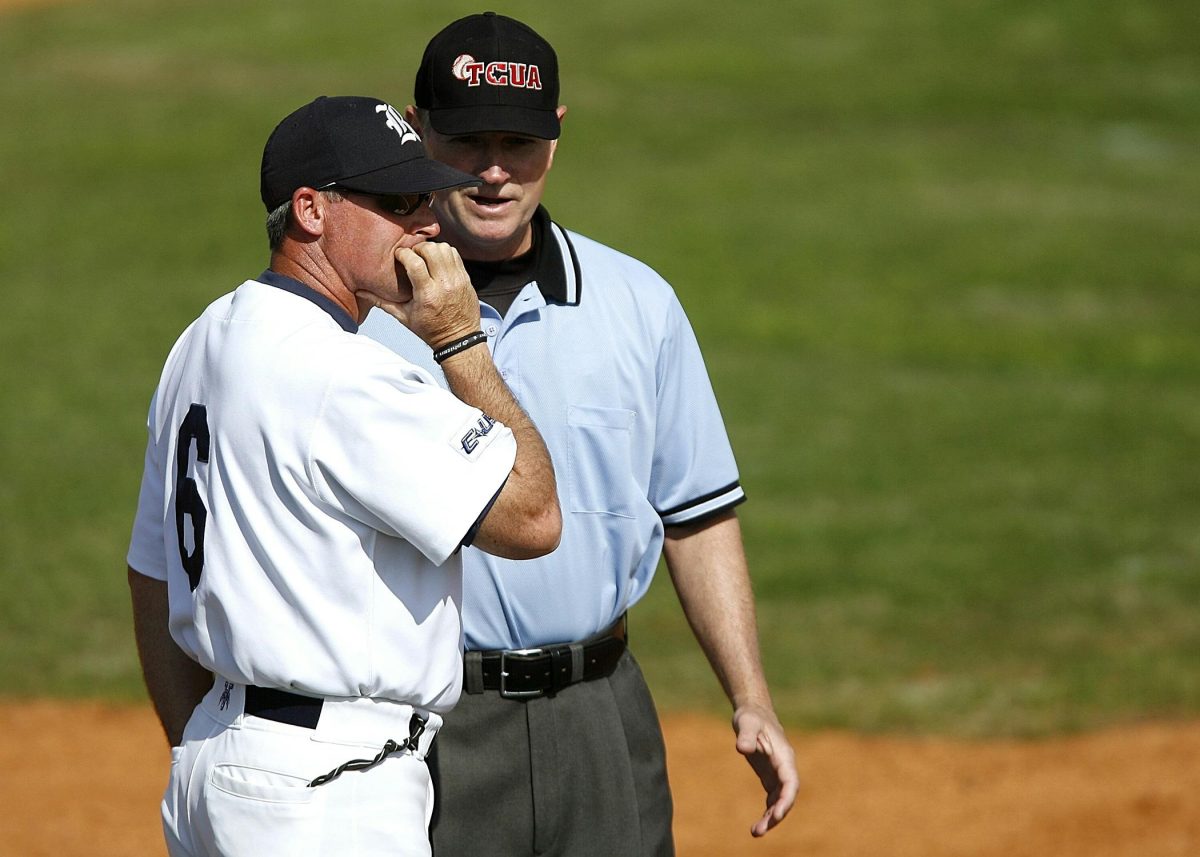
If you think coaching is still just about drawing plays and shouting from the sidelines, think again. Over the past few decades, the role of a coach has grown far beyond wins and losses. Today’s coaches are expected to be mentors, leaders, administrators, and even mental health advocates, all while navigating increasingly complex athletic environments.
In schools, clubs, and collegiate programs across the country, coaches are doing much more than developing athletes. They’re managing team logistics, building program culture, communicating with parents and fans, and even handling compliance and budgeting tasks. With athletes facing more pressure than ever, coaches are also being called on to support their players off the field, emotionally, academically, and socially.
These added responsibilities mean that coaching isn’t just about knowing the game anymore. It’s about knowing how to lead people and manage operations. To succeed in this new reality, coaches need a broader set of tools, and many are turning to formal education to get them.
From Coach to Program Leader: The Shift in Responsibility
Modern sports programs rely on coaches who can wear multiple hats. In addition to designing practices and building competitive teams, coaches often manage day-to-day operations like scheduling, coordinating team travel, and making sure the program meets school or league regulations. They’re also involved in fundraising, communicating with athletic departments, and guiding assistant coaches and support staff.
Because of this shift, many aspiring and current coaches are choosing to earn a master’s in athletic administration online to strengthen their skills beyond the playbook. A program like this helps prepare coaches to lead programs effectively, teaching them how to manage budgets, build strategic plans, communicate professionally, and cultivate leadership among athletes and staff.
Southeastern Oklahoma State University offers a fully online Master of Science in Sports Administration with a general concentration. The program is designed to prepare professionals for leadership roles in school and collegiate athletic settings, focusing on areas such as organizational behavior, sport law, and athletic fundraising. With flexible scheduling and a comprehensive curriculum, it’s an excellent option for working professionals ready to elevate their careers in coaching and athletic leadership.
Coaches as Mentors, Not Just Tacticians
Athletes today need more from their coaches than just game-day strategies. In many cases, coaches are a primary source of guidance, especially for young athletes navigating academics, peer pressure, and the emotional ups and downs that come with sports participation.
You may find yourself helping players set academic goals, manage time better, or cope with performance anxiety. You’re also likely the one setting the tone for team culture, how teammates support each other, how discipline is handled, and how everyone communicates both on and off the field.
This emotional and social side of coaching is more important than ever. Players need leaders who can see the full picture, not just the scoreboard. They respond to someone who shows empathy, consistency, and a willingness to help them grow as people, not just athletes. Being that kind of mentor takes training, awareness, and a lot of self-reflection.
The Influence of Technology and Data on Coaching Roles
With the rise of sports technology, coaching today is as much about understanding data as it is about instincts. Video analysis tools, wearable fitness trackers, and detailed performance metrics are now part of everyday operations, even at the youth and high school levels.
As a coach, you’re expected to review game footage, analyze team stats, monitor player workload, and sometimes even track health data. You’re using tech not only to game-plan, but to reduce injury risks and identify player trends over time.
But the shift to digital tools also requires new skills. It’s no longer enough to rely solely on gut feelings or tradition. Coaches must be open to learning how to interpret and apply data. Those who can combine their experience with real-time insights have an edge in helping athletes perform at their best.
Navigating Ethics, Equity, and Mental Health
The modern sports environment has raised the bar in terms of what’s expected from coaches, especially when it comes to ethical leadership and athlete well-being. Issues like mental health awareness, gender equity, and safe team cultures are now front and center.
Today’s coaches must know how to handle tough conversations, advocate for fair treatment, and support athletes through challenges that extend beyond the field. That includes recognizing signs of burnout, navigating social media risks, and helping players balance their identity as athletes with their broader personal development.
Coaches who want to lead successful programs long-term need both people skills and administrative knowledge. That’s why investing in education, whether through formal degrees or ongoing training, is becoming more common.
The good news is that coaching is now seen as a leadership profession, not just a sideline role. Whether you’re starting or transitioning from another field, there are more resources than ever to help you succeed, and more opportunities to make a lasting impact on young athletes and sports communities.