Do Robot Vacuums Work on Carpet or Hard Floors?
Robot vacuums are gaining popularity due to their convenience and ability to automate cleaning tasks. As homeowners seek efficient ways to maintain cleanliness, these devices are often scrutinized for their performance on different floor types. Understanding how robot vacuums operate on carpets and hard floors can help you make an informed purchase that meets your specific needs. Whether you have hardwood, tiles, or plush carpets, knowing which features enhance cleaning efficiency ensures you pick the right model. This blog explores the cleaning prowess of robot vacuums across various surfaces, highlighting the features that enhance performance and providing tips for selecting the ideal machine for your home.

How Robot Vacuums Clean Different Floors?
How Do They Work on Hard Floors?
Robot vacuums excel on hard floors like wood, tile, and laminate due to their ability to navigate smoothly and efficiently. These surfaces require less suction power since debris and dirt are typically on the surface rather than buried within fibers. Equipped with rotating brushes, robot vacuums effectively sweep particles into their path, then suck them up through a high-efficiency filter system. Their sensors can detect obstacles and edges, preventing falls and ensuring a comprehensive clean across open areas. Some models also feature mopping functions that further enhance cleaning efficiency on hard floor surfaces, providing a dual-action capability for a sparkling finish.
How They Tackle Low-Pile and Medium Carpets?
Low and medium-pile carpets allow robot vacuums to showcase their cleaning versatility. These floor types are slightly more challenging than hard floors due to their texture, requiring stronger suction and specialized brushes to pick up embedded dirt. Robot vacuums employ powerful motorized brush rolls that agitate the carpet fibers to dislodge particles, ensuring they are captured effectively. Carpet detection sensors adjust suction power automatically, optimizing energy use and cleaning performance according to the surface type. This adaptability enables them to transition seamlessly between flooring types, maintaining consistent cleanliness across mixed floor properties in a single cleaning cycle.
What Affects Performance on Rugs and High-Pile Carpets?
Rugs and high-pile carpets present a more complex challenge for robot vacuums due to their thick fibers and potential for tangled brush rolls. These surfaces require vacuums with enhanced suction power and advanced brush designs that can navigate and clean deeper layers without getting stuck or tangled. Some robot vacuums struggle due to limitations in traction, often needing assistance when transitioning across floor type thresholds or dealing with thick rug edges. Models with powerful motors and adjustable height settings can better manage these surfaces, ensuring thorough debris removal. Selecting a vacuum designed for such challenges maximizes performance and prevents potential maintenance issues.
Features That Improve Cleaning on Carpet and Hard Floors
Suction Power & Brush Design
The effectiveness of a robot vacuum is heavily dependent on its suction power and brush design. Strong suction is crucial for extracting dirt and pet hair from carpets, while a well-designed brush roll can agitate fibers to release embedded debris. Multi-surface brushes allow for consistent performance across various floors, effectively lifting dirt on hard floors and carpets alike. Adjustable suction settings optimize the vacuum’s performance according to the floor type, enhancing battery efficiency and ensuring a thorough clean. By focusing on these key features, users can ensure their vacuum performs optimally regardless of floor type complexity.
Smart Sensors and Auto Carpet Detection
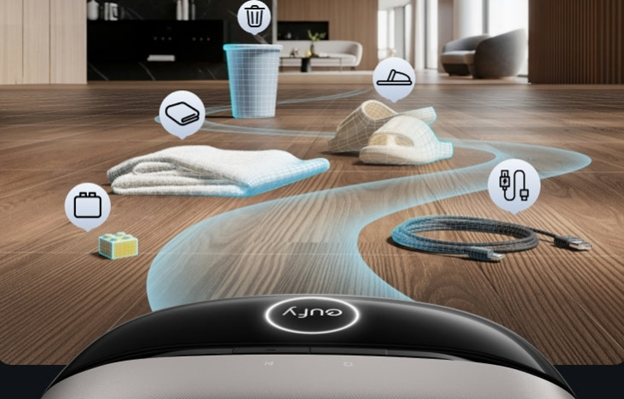
Smart sensors are integral to maximizing the cleaning efficiency of robot vacuums. They use advanced algorithms to detect floor types, adjusting settings accordingly for optimal performance. Auto carpet detection allows vacuums to modify suction levels when transitioning between hard floors and carpets, ensuring thorough cleaning while conserving battery life. These sensors also help navigate obstacles and prevent falls, providing a comprehensive cleaning solution. Features like room mapping ensure precise navigation, reducing missed spots and optimizing cleaning routes. Investing in models with advanced sensor technology boosts cleaning accuracy and improves overall functionality across diverse home environments.
Hybrid Models With Mop Lift & Floor Mapping
Hybrid robot vacuums combine vacuuming and mopping functionalities, offering versatile cleaning options. These models often feature mop lift technology, raising the mop pad when detecting carpets to prevent unwanted dampening of fibers. The integration of vacuuming and mopping streamlines the cleaning process, addressing both solid and liquid debris effectively. Floor mapping capabilities enhance navigation, creating detailed layouts for efficient cleaning paths. This ensures comprehensive coverage, reducing the likelihood of missed spots. Opting for hybrid models maximizes cleaning versatility across various surfaces while promoting a more thorough and efficient cleaning experience across the entire home.
Tips to Choose the Right Robot Vacuum for Your Floors
Finding the right robot vacuum involves considering specific floor types and household preferences. Assess the dominant floor type in your home—such as hard floors or carpets—and prioritize models equipped with relevant features like strong suction power or mop lift technology. Consider the size and layout of rooms; vacuums with advanced mapping capabilities handle spacious and complex areas more efficiently. Pet owners should focus on vacuums designed to manage fur and dander effectively, utilizing specialized brushes and filters. Budget constraints are also vital; comparing features across price points helps ensure you choose a model offering the best performance without surpassing financial limits.
Conclusion
Robot vacuums are increasingly essential in modern homes, offering convenience and efficiency in maintaining clean floors. Their ability to navigate and clean various surfaces, from hard floors to carpets, depends heavily on model specifications like suction power, brush design, and smart sensor capabilities. Understanding these elements guides you in selecting a vacuum that matches your home’s unique flooring and layout needs. Equipped with the right features, robot vacuums deliver consistent cleaning results, optimizing home hygiene while reducing daily maintenance efforts. As technology evolves, these devices continue to improve, offering more precise and tailored cleaning solutions for households worldwide.