Tips for Eating Comfortably with New Dentures

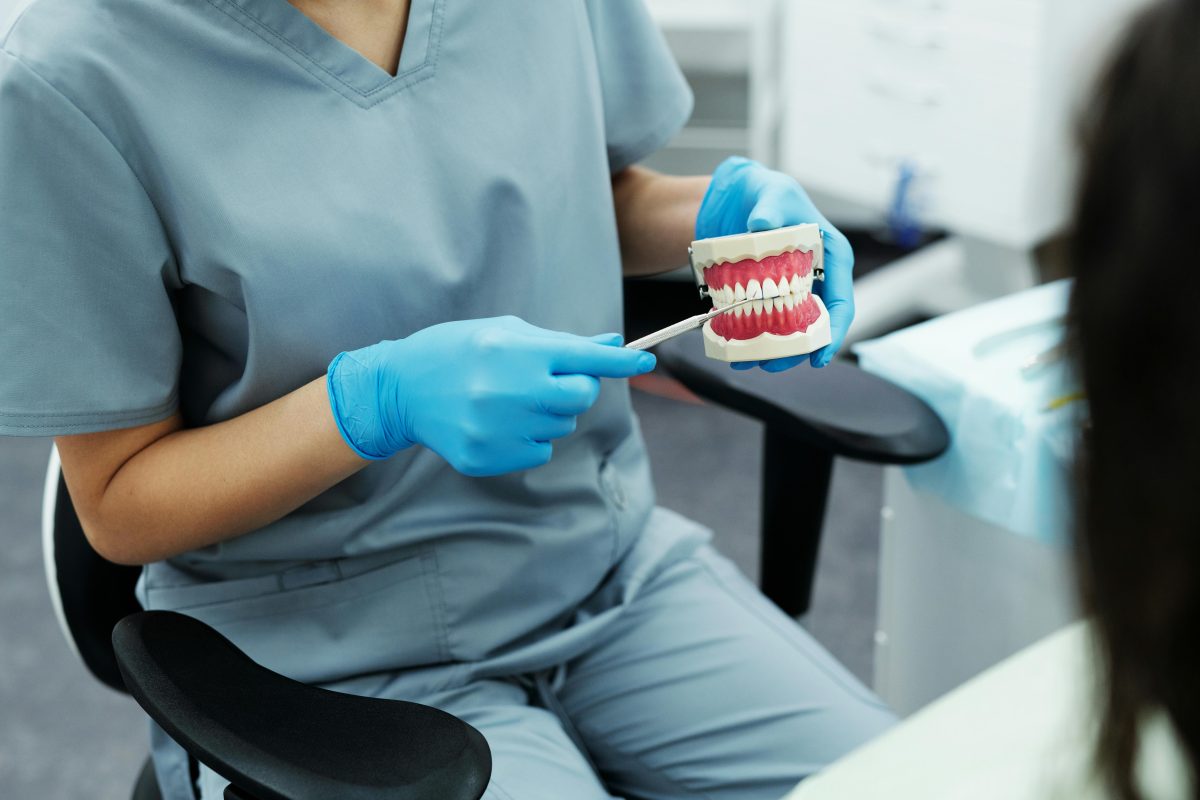
Photo by Priscilla Du Preez 🇨🇦 on Unsplash
According to the American Dental Association’s 2024 oral health surveillance data, approximately 40 million Americans wear complete dentures, with most experiencing significant eating challenges during their first month of adjustment. As dental technology advances and more people transition to dentures later in life while maintaining active lifestyles, the gap between clinical denture fitting and practical daily comfort has become increasingly apparent. For new denture wearers, the simple act of enjoying a meal can transform from automatic pleasure into a source of anxiety and physical discomfort.
The stakes extend beyond mere inconvenience. Poor eating experiences with new dentures often lead to nutritional deficiencies, social withdrawal from meals with family or friends, and mounting frustration that can derail the entire adjustment process. Understanding how to navigate these early weeks strategically — from bite mechanics to food choices — determines whether dentures become a seamless part of daily life or a persistent struggle. The practical strategies ahead address the most common eating challenges new denture wearers face, building from foundational adjustments through advanced techniques for long-term success.
What to Expect During the Denture Adjustment Period
The first reality new denture wearers must accept is that their mouth is essentially learning a completely new skill set. Your tongue, jaw muscles, and chewing patterns have operated one way for decades, and dentures change the fundamental mechanics of how food moves through your mouth. Most dental professionals describe this process in three distinct phases: the initial shock period (days 1-7), the adaptation phase (weeks 2-4), and the stabilization period (months 2-3).
During that first week, your mouth treats the dentures like foreign objects — because that’s exactly what they are. Your tongue instinctively pushes against them, your jaw muscles work overtime trying to stabilize them, and your bite pressure distributes differently than it ever has before. This isn’t a sign that something’s wrong; it’s your oral system doing exactly what it should do when presented with new hardware.
The psychological component runs parallel to the physical adjustment. Many new denture wearers report feeling self-conscious about the clicking sounds, worried about food getting stuck, or anxious about the dentures slipping at the wrong moment. These concerns aren’t vanity — they reflect legitimate functional challenges that affect confidence and social comfort.
What catches most people off guard is how much concentration eating requires initially. Tasks that were once automatic now demand active thought: How hard should I bite? Which side should I chew on? How do I swallow without the dentures shifting? This mental load is exhausting, which explains why many new denture wearers feel fatigued after meals during the first few weeks. Understanding that this intense focus period is temporary — and necessary — helps set realistic expectations for the adjustment journey ahead.
Practical Tips for Eating Comfortably with New Dentures
Success with denture eating comes down to retraining your mouth’s muscle memory while your tissues adapt to their new environment. The key lies in approaching each meal strategically rather than hoping old habits will somehow work with new equipment.
How to Modify Eating Habits Safely
Start with the bilateral chewing technique — placing small pieces of food on both sides of your mouth simultaneously and chewing slowly with equal pressure. This approach prevents the dentures from rocking side to side, which is the primary cause of early discomfort and food trapping. Your natural instinct may be to favor one side, but this actually destabilizes the dentures and creates uneven pressure points.
Cut everything into pencil-eraser-sized pieces for the first two weeks, regardless of what you’re eating. Even soft foods like cooked pasta can cause problems if the pieces are too large, because your bite pressure isn’t calibrated yet. Think of this period as strength training for your jaw muscles — they’re learning to work with less natural bite force while maintaining stability.
Chewing speed matters more than most people realize. Your dentures need time to settle after each bite, and rushing creates a domino effect of problems: food doesn’t break down properly, saliva doesn’t mix effectively, and the dentures shift out of position. Count to yourself if necessary — one chew per second gives your mouth time to coordinate all the moving parts.
The progression timeline should move from liquids and soft foods in week one, to slightly textured foods in weeks two through four, and finally to more challenging textures after the first month. But this isn’t a rigid schedule — some people adapt faster, others need more time. Pay attention to your comfort level rather than forcing yourself to meet arbitrary deadlines.
Which Foods to Avoid Initially
Sticky foods top the avoidance list because they create suction that can dislodge dentures unexpectedly. Caramel, taffy, peanut butter, and even certain breads can grab onto denture surfaces and pull them out of position. This isn’t just embarrassing — it can cause tissue irritation and disrupt the settling process your gums need.
Hard foods require bite forces that new denture wearers can’t safely generate. Raw carrots, nuts, hard candies, and crusty bread crusts can cause dentures to slip, create painful pressure points, or even crack the denture material. The “if you can’t easily cut it with a fork” rule works well for the first month.
Small, seed-like foods present a different challenge — they slip under dentures and become trapped against sensitive gum tissue. Popcorn, sesame seeds, nuts, and berry seeds can cause significant irritation and may require professional removal. Even foods that seem harmless, like poppy seed muffins or everything bagels, become problematic during the adjustment period.
Temperature extremes affect denture materials and sensitive oral tissues. Very hot foods can cause thermal expansion of the denture base, affecting fit temporarily. Very cold foods can make tissues contract, creating gaps where food particles can lodge. Room temperature or moderately warm foods provide the most comfortable eating experience during adjustment. You can gradually reintroduce temperature variety once your tissues have adapted and the fit has stabilized.
How to Manage Common Discomforts and Fit Issues
Discomfort with new dentures typically falls into predictable patterns, and understanding the cause helps determine the right response. Pressure sores develop where dentures contact tissue unevenly — usually at ridge peaks or where bone is close to the surface. These feel like localized burning or sharp pain that worsens during eating. Minor pressure spots often resolve as tissues adapt, but persistent pain lasting more than five days signals the need for professional adjustment.
Loose-feeling dentures during eating usually indicate that your bite pressure is too forceful or uneven. The dentures aren’t actually loose — your jaw muscles are overcompensating and creating instability. Practicing the bilateral chewing technique often resolves this sensation within a week. However, if the looseness occurs even with soft foods and gentle pressure, the fit may need professional refinement.
Gagging sensations happen when the denture’s palatal coverage triggers your gag reflex. This is most common during the first few days and usually subsides as your brain learns to recognize the dentures as normal. Breathing through your nose while eating, taking smaller bites, and avoiding foods that require extensive chewing in the back of your mouth can help minimize triggers during the adaptation period.
Food trapping under dentures is inevitable initially, but the pattern tells you something important about fit and technique. Food consistently getting trapped in the same spots may indicate areas where the dentures don’t contact tissue properly. When working with dentures in New Port Richey, dental professionals can identify these fit issues and make targeted adjustments to improve both comfort and function.
Denture adhesive can provide confidence during the adjustment period, but it’s not a solution for major fit problems. A thin, even layer on clean dentures helps with initial stability while your muscles learn proper positioning. However, if you’re using large amounts of adhesive or reapplying multiple times daily, the dentures likely need professional adjustment rather than more product.
The key to managing early discomfort lies in distinguishing between normal adaptation challenges and actual fit problems that require intervention. Normal adaptation discomfort improves gradually over days, responds to technique adjustments, and doesn’t prevent you from eating soft foods comfortably. Fit problems persist despite good technique, worsen over time, or prevent normal function even with ideal food choices.
How to Maintain Oral Health and Denture Hygiene
Daily cleaning routines for dentures require more attention than many new wearers expect. Remove dentures after each meal to rinse away food particles that can irritate tissues and cause bacterial buildup. Use cool water — hot water can warp denture materials and affect fit. A soft-bristled denture brush with denture-specific cleanser removes plaque and stains more effectively than regular toothpaste, which is too abrasive for denture materials.
Tissue care underneath dentures is equally critical. Your gums need daily massage and cleaning to maintain healthy circulation and prevent tissue changes that affect denture fit over time. Use a soft-bristled toothbrush or washcloth to gently clean your gums, tongue, and roof of your mouth each morning before inserting dentures. This removes bacteria and plaque while stimulating blood flow to keep tissues healthy.
Overnight soaking serves multiple purposes beyond cleaning. Dentures need to stay moist to maintain their shape and flexibility. Dry dentures can warp or become brittle, affecting their fit and comfort. Use denture cleaning solution or plain water — never hot water or regular mouthwash, which can damage denture materials. This overnight break also gives your tissues essential rest time to recover from daily pressure.
Regular dental checkups become more important, not less, with dentures. Your oral tissues continue changing over time, which gradually affects denture fit. Professional adjustments and periodic relines maintain proper fit and prevent problems before they become painful. Most dentists recommend checkups every six months for denture wearers, with more frequent visits during the first year as tissues adapt and settle.
The cleaning products you choose matter significantly. Denture cleansers are formulated specifically for acrylic materials and won’t cause the micro-scratching that regular toothpaste creates. These microscopic scratches harbor bacteria and cause staining that becomes increasingly difficult to remove. Similarly, avoid bleach-containing products that can weaken denture materials and cause color changes over time.
How to Adapt Speech and Build Social Confidence with Dentures
Speech changes with new dentures affect nearly everyone, but the specific challenges vary based on denture type and individual mouth structure. Sibilant sounds (s, z, sh, ch) often become distorted because dentures change how your tongue contacts your teeth. The thickness of denture materials alters the precise positioning your tongue uses to create these sounds clearly.
Reading aloud provides the most effective speech practice because it gives your mouth sustained, varied exercise with the dentures in place. Start with 10-15 minutes daily, focusing on clear enunciation rather than speed. Children’s books work well initially because they use simple sentence structures and common words that don’t require complex tongue movements.
Volume and resonance changes occur because dentures affect how sound waves move through your mouth. Many new denture wearers speak more quietly initially, partly from self-consciousness and partly because the acoustic properties feel different. Gradually increasing your speaking volume during practice sessions helps retrain your voice to the new oral environment.
Social eating situations present the biggest confidence challenges for most new denture wearers. The combination of unfamiliar food textures, conversation requirements, and social pressure can feel overwhelming. Start with small gatherings where you can control food choices and eat at your own pace. Family dinners or coffee with close friends provide supportive environments for practicing both eating and speaking skills simultaneously.
The psychological component of speech adaptation often proves more challenging than the physical mechanics. Many people become hyperaware of how they sound and worry that others notice differences. In reality, most speech changes are subtle and temporary — your brain adapts remarkably quickly to the new oral configuration. Confidence returns naturally as muscle memory develops and speech clarity improves, typically within four to six weeks of consistent wear.