Water Filled Barriers: Are They Worth It?
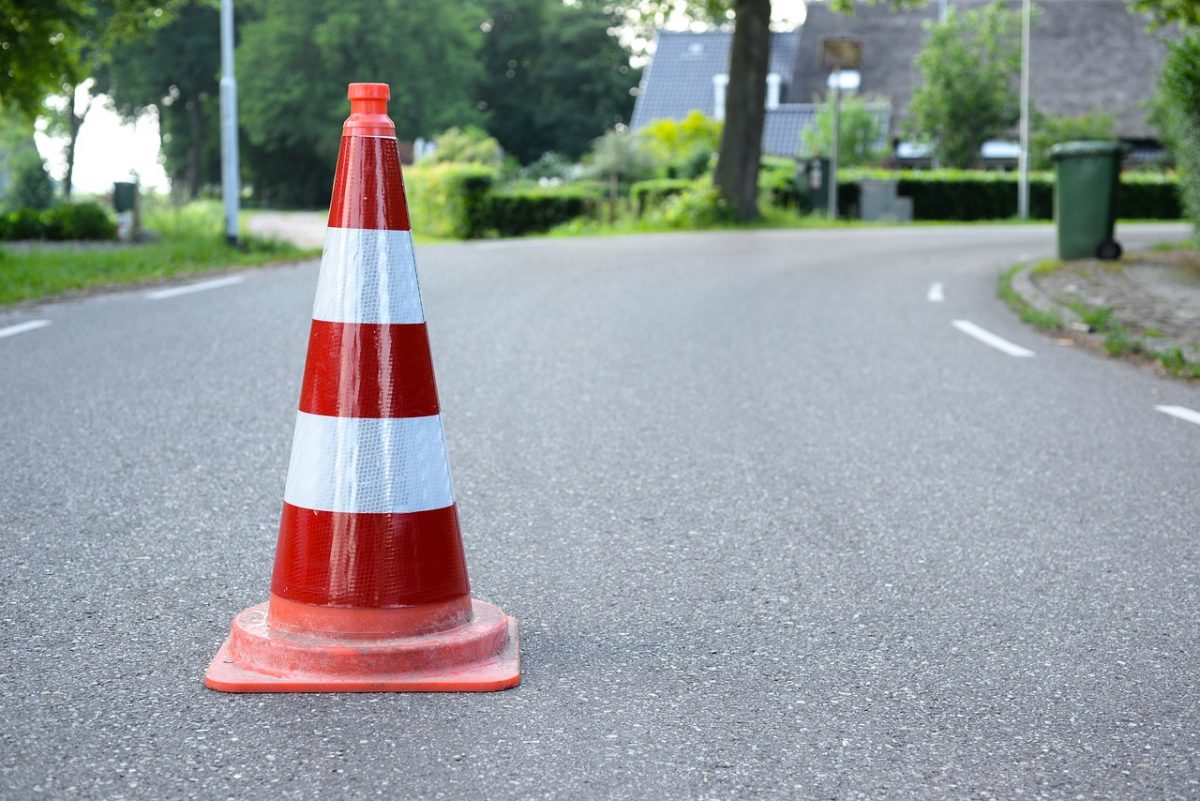
As you drive along a busy highway, you come across a construction zone. The orange and white barriers filled with water catch your attention. These barriers serve as a protective barrier between workers and traffic, but are they truly worth the investment? You will learn more about whether water-filled barriers are worth it in this article.
What is a Water-Filled Barrier?
A water-filled barrier is a type of temporary barricade used in road construction, traffic management, and event crowd control. It is typically made of plastic and filled with water to add weight and stability. These barriers are often interconnected to form a continuous wall and can be easily transported and installed.
Benefits of Water Filled Barriers
Improved Safety for Road Construction and Traffic Management
Water-filled barriers are big plastic containers that you fill with water. They’re used to separate traffic from road construction zones or other dangers. These barriers make roads safer because they create a physical barrier between drivers and construction areas.
If a car accidentally hits one, it absorbs the impact and prevents the car from going into the construction area. This protects both the drivers and the workers.
Water-filled barriers are also bright and easy to see, so drivers can notice them quickly. This helps prevent accidents because drivers know where they need to be careful. Plus, because they’re filled with water, they’re heavy and stable, so they stay in place even if it’s windy or rainy.
Flexibility and Versatility in Deployment
Barriers that are filled with water are very useful because they can be used in many situations. They’re not just for road construction—they can also be used for events like parades or festivals to guide traffic or block off certain areas.
Since they’re easy to move and set up, you can change their layout depending on what you need. For example, you can connect them in a straight line or curve them around a corner.
These barriers are also stackable, which means you can pile them up when you’re not using them. This saves space and makes them easy to transport.
Environmental Friendliness
Unlike some other types of barriers made from materials like concrete or metal, these barriers can be used over and over again. When they’re not needed anymore, you can drain the water out and store them until the next time you need them.
Because they’re made from plastic, they’re also recyclable. This means that when they do reach the end of their lifespan, they can be turned into new products instead of ending up in a landfill.
Considerations Before Using Water Filled Barriers
Cost vs. Effectiveness
Before using water-filled barriers, it’s important to think about whether they’re the best choice for your budget and needs. While these barriers can be cheaper than some alternatives like concrete barriers upfront, you need to consider their effectiveness.
Cheaper barriers might not be as strong or durable, meaning they could need more maintenance or replacement over time, which could end up costing you more in the long run. However, if you’re looking for a temporary solution or don’t need heavy-duty protection, water-filled barriers can be a cost-effective option.
Durability and Longevity
Water-filled barriers come in different qualities, so it’s crucial to choose ones that are durable and long-lasting. High-quality barriers are made from tough plastic that can withstand impacts from vehicles and harsh weather conditions without breaking or cracking.
These barriers should also have UV protection to prevent them from degrading in the sun over time. By investing in durable barriers, you can ensure they provide reliable protection for a long time without needing frequent repairs or replacements.
Compatibility with Existing Road Infrastructure
When using water-filled barriers, you need to consider how well they’ll work with the existing road setup. This includes factors like the width of the road, the curvature of the road, and any obstacles or features along the roadside.
Some barriers might be too wide or bulky for narrow roads, while others might not be flexible enough to fit around curves. It’s essential to choose barriers that can adapt to the specific layout of your road without causing obstructions or safety hazards.
Additionally, if you’re planning to use the barriers for extended periods, make sure they won’t interfere with maintenance activities like mowing or snow removal.
Average Length of a Water-Filled Barrier
Lo-Ro Barrier
The Lo-Ro barrier, short for the Low-Profile Roadway barrier, is a type of water-filled barrier used for road safety. These barriers are usually around 6 to 12 feet long.
They’re designed to be shorter in height compared to traditional concrete barriers, making them less imposing and reducing the risk of causing severe damage to vehicles that might hit them.
Waterwall Barrier
Waterwall barriers are long, modular barriers filled with water, typically ranging from 6 to 12 feet in length. These barriers are interconnected to form a continuous wall, providing a sturdy and effective means of traffic management and safety. The average length of a Waterwall barrier allows for deployment versatility, as they can be adjusted to fit different road configurations and construction sites.
Trafix 2000 Barrier
The Trafix 2000 barrier is a type of water-filled barrier designed for highway and roadway safety. These barriers typically measure around 6 to 8 feet in length.
The average length of a Trafix 2000 barrier allows for easy handling and transportation, as well as quick deployment on-site. Trafix 2000 barriers are often used in construction zones, lane delineation, or crowd control situations.
Consider Water Filled Barriers for Road Safety
When it comes to enhancing road safety during construction projects or events, water-filled barriers offer a reliable solution. These barriers provide effective traffic management, protect workers and pedestrians, and help prevent accidents on the road. If you’re looking to improve safety measures, consider using water filled barriers for hire.
Read more: What are the best products for controlling traffic?
Read more: Is It Possible To Lower Your Chances Of Getting Hurt On The Road?
Read more: Here are the Common Causes of Car Accidents